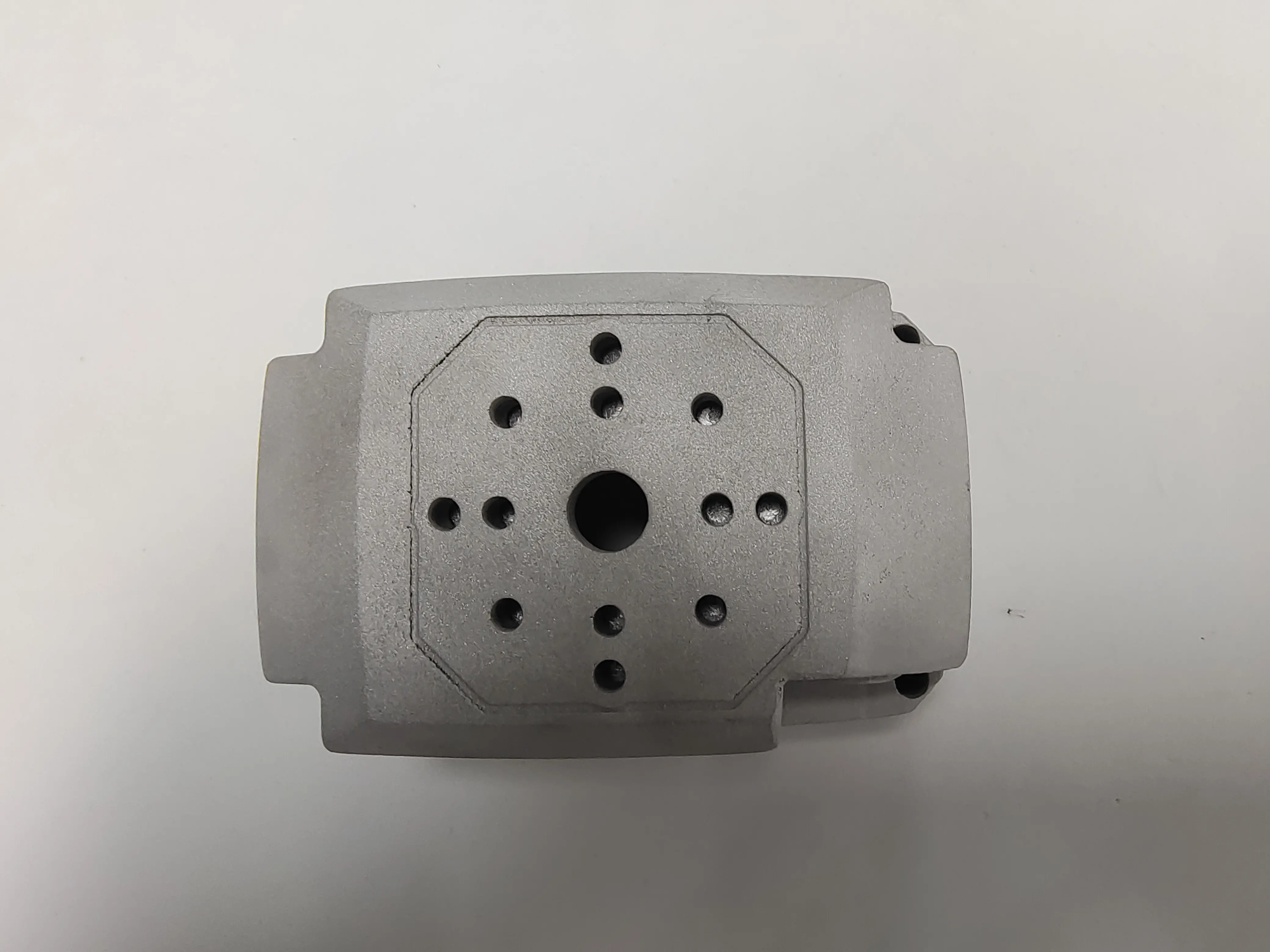
Storage revolution: unlocking potential with 3D printed containers and lids
In the dynamic world of product design and manufacturing, the pursuit of the perfect container—functional, durable, customizable, and beautiful—has given rise to a game-changing solution: 3D printing. No longer limited to prototyping simple shapes, advanced additive manufacturing technology now enables designers and engineers to create complex containers with perfectly fitting lids based on highly specific needs. This capability is transforming industries, accelerating innovation and providing unprecedented flexibility.
Unleash unprecedented design freedom
Traditional manufacturing methods such as injection molding or machining often impose limitations on container design due to tooling limitations and cost barriers. 3D printing removes these barriers. Imagine a container with:
- Complex internal structure: Honeycomb lattice for ultra-lightweight strength, integrated channels for thermal management or custom compartments within a single seamless unit.
- Ergonomic and organic shape: Designs that perfectly fit the contours of the hand or nest effectively in a specific space are simply not possible with traditional machining.
- Integrated features: The hinges are printed directly on the lid and body, hermetic seals are integrated into the design, mounting points are integrated and there are even optics for light diffusion.
- Mass customization: Generate unique containers on demand: personalized engraving, custom dimensions down to the millimeter or custom lid mechanisms (snap-on, screw-on, friction, bayonet) without re-tooling costs.
This freedom allows designers to prioritize functionality and aesthetics equally, creating containers that transcend mere utility to become integrated, optimized components of a larger system or final product.
Material versatility: to suit every requirement
The strength, flexibility, chemical resistance and appearance of the container depend on the material chosen. Modern industrial 3D printing offers an impressive range of products:
- Engineering plastics (FDM/SLS):
- ABS: Good strength, impact resistance and good printability. Commonly found in functional prototypes and end-use cases requiring moderate durability.
- Nylon (PA 11/12): Excellent toughness, flexibility, chemical resistance and low friction properties (ideal for snap-on covers and high-wear parts).
- PETG/ASA: High chemical resistance (PETG) or excellent UV/weather resistance (ASA). Great for outdoor or chemical storage.
- People’s Liberation Army: Biodegradable options are suitable for prototypes or short-term non-critical containers (less durable).
- Photopolymer resin (SLA/DLP):
- Tough/Durable Resin: Imitation engineering plastic for functional containers requiring fine details and smooth surfaces.
- High temperature resin: Withstands the heat of sterilization or hot liquid storage applications.
- Specialty resin: Flexible, biocompatible (medical) or castable resins for unique needs.
- Metals (SLM/DMLS – GreatLight’s specialty): For ultimate performance:
- Stainless steel (316L/17-4PH): Unparalleled strength, corrosion resistance (critical for harsh environments), hygiene (food/medical) and temperature resistance. Ideal for industrial parts, aerospace tools, sterilization trays, and more.
- Aluminum alloy: High strength to weight ratio and good thermal conductivity.
- titanium: Excellent strength-to-weight ratio and biocompatibility.
- (Note: GreatLight excels at metal printing via Selective Laser Melting (SLM), enabling complex metal containers with strong lids)
Choosing the right material is crucial. Factors include required strength, temperature exposure, chemical interactions, abrasion, snap/latch flexibility, sterilization requirements (autoclave), biocompatibility for medical use, and aesthetic finish.
The journey: from digital files to functional containers
How do your ideas become tangible containers? The process involves several key steps:
- Digital Design (CAD): Containers and lids are carefully designed using CAD software to ensure precise fit and account for material shrinkage.
- File preparation and slicing: Use slicing software to convert the CAD model into printable instructions (STL, then G-code). This includes optimizing the orientation, adding supports (if needed) and setting parameters.
- 3D printing: The selected printer (FDM, SLS, SLA, SLM) builds the container and lid layer by layer from the slice files.
- Post-processing (where GreatLight comes into play): Crucial for functionality and aesthetics:
- Support removal: Carefully remove any temporary ♥ supports used during the printing process.
- clean: Thoroughly clean/cure (resin) or remove powder (SLS/SLM).
- Surface treatment: Sanding, steam smoothing (for plastics), sandblasting, tumbling, polishing (especially for metals) to obtain the desired surface texture.
- Special treatment: Painting, electroplating (nickel, chromium – Ferrite products), heat treatment (metal alloys for increased strength), UV protection, liquid sealing.
- Quality control and inspection: Verify dimensions (using CMM, optical scanner), fit (lid seal), leak testing (if required), material integrity checks and functionality.
Why 3D printed containers offer compelling advantages
Beyond prototyping, 3D printed containers are often the best production solution:
- Speed and agility: Rapid design iterations and turnaround are measured in days, not weeks/months. Crucial for quick response to market demands or design changes.
- Cost effectiveness: Eliminates expensive molds/tooling, ideal for low to medium volume production or highly customized batches. Reduce warehousing needs through on-demand production.
- Uncompromising sophistication: Create lightweight, optimized structures that would otherwise be economically impossible. Integrated functionality reduces assembly requirements and potential points of failure.
- True customization: Design adaptations are native to the tape and require little computational effort, allowing solutions to be customized for specific users or unique use cases (medical implant fixtures, specialized packaging).
- Production on demand: Produce exactly the quantities you need, minimizing waste and inventory costs.
What makes custom containers different?
The range of applications is wide and growing:
- Industrial: Rugged housing (sensors, electronics), specialized tool trays/clamps, leak-proof fluid transport containers, storage of critical spare parts.
- Aerospace and Defense: Extremely lightweight yet rugged instrument housing, custom storage of mission critical tools/parts to fit space constraints, flight certified components.
- Medical and dental: Sterile storage containers, instrument trays, biocompatible pill dispensers🧬, custom prosthetic component housings, anatomical specimen containers.
- Electronic products: Shielded EMI/RFI enclosures, custom cable organizers, PCB/sensor precision enclosures with integrated cooling.
- consumer goods: Customized storage boxes (kitchen, cosmetics, tool boxes), unique collectible packaging, personalized small tool boxes, sustainable short-term packaging.
- Research and Laboratories: Solvent-resistant sample jars, specialized reaction vessels, sterile bioreactors, custom filter housings.
Work with experts: The GreatLight advantage
Create high-quality, functional 3D printed containers, Especially complex metals that require precision post-processing, Requires specialized knowledge and advanced capabilities. This is what makes GreatLight unique:
As a professional rapid prototyping manufacturer focusing on industrial-grade production, Gretel relies on State-of-the-art Selective Laser Melting (SLM) technology. This advanced metal 3D printing technology allows us to produce extremely complex and durable metal containers and lids using a variety of high-performance alloys such as stainless steel 316L and 17-4PH.
In addition to printing, GreatLight offers comprehensive One-stop post-processing and finishing services. This includes meticulous cleaning, precise CNC machining of critical interfaces for a perfect lid seal, specialized heat treatments to enhance the material’s properties, and a host of surface treatments: precision polishing, titanium matt (color anodizing), electroplating (nickel, chromium), sandblasting or painting. Our expertise ensures that containers are not just printed, but modified to meet exact functional and visual requirements.
Provide services. In addition, our expertise extends to plastic prototyping, ensuring customers have a full range of reliable material options. Best of all, GreatLight offers best-in-class Speed and flexibility of material customizationsupports rapid iteration, allowing customers to quickly move from concept to practical, high-quality end-use metal containers. Our commitment lies in expertly solving complex prototyping challenges and efficiently delivering production-quality parts at the best prices.
Learn knowledge.
in conclusion
The days of constrained container design are over. 3D printing opens the door to creating containers and lids that are defined by ultimate functionality, clever sophistication, lightweight optimization and true personalization. From rugged industrial tools and sterile medical rooms to unique consumer organizers, the possibilities are virtually endless. While desktop printing can satisfy hobbyists, taking advantage of the full power of metal SLM printing and professional-grade finishing opens the door to mission-critical applications that require uncompromising strength, durability, and precision.
Partnering with an experienced rapid prototyping specialist like GreatLight ensures access to cutting-edge metal Printingizo technology, comprehensive post-processing expertise (critical for seals and surfaces), and the agility to quickly and cost-effectively turn innovative container designs into robust realities. It’s not just about making a box; It’s about designing the ideal solution.
FAQ: Answers to your 3D printed container questions
Q1: Can 3D printed containers be truly waterproof/airtight?
Answer: Yes, absolutely! Achieving a seal using a printed cap requires:
- design: Precise tolerances and integrated sealing functions (O-ring groove, built-in gasket, labyrinth seal).
- Material: Choose chemically compatible waterproof/permeable materials.
- Print quality: High-resolution printing minimizes layer gaps/porosity.
- Post-processing: Basic. Processes such as steam smoothing (for thermoplastics), polishing, chemical sealing or impregnation (such as hot waxing) can significantly improve sealing. With proper design and post-processing of the sealing surface, metal SLM containers can achieve a near-permanent airtight seal. Testing under pressure/vacuum after post-processing is critical.
Q2: Are 3D printed containers safe for food contact?
A: This is more complicated and needs to be chosen carefully:
- Material: must Essentially certified food safe (FDA/EU compliant) and maintains this safety after printing/processing.
- Printing process: FDM printing can harbor bacteria in the layer lines – usually requires a smooth food grade coating/epoxy (FDA compliant). SLA resin requires thorough post-cure and careful material selection. metal container (such as stainless steel printed via SLM) are often favored for their superior cleanliness, durability, and sterilization capabilities. Be sure to verify that your application complies with relevant food safety regulations.
Question 3: What are the best material choices for durable, lightweight containers?
A: It depends on the required durability and environment:
- plastic: Nylon (PA 12) offers excellent impact resistance and fatigue strength while being lighter than many resins. Resin enables high impact resistance. Use reputable material certifications.
- Metal: Aluminum alloys printed by SLM have the best strength-to-weight ratio ("Durable and light"). Titanium is strong and lightweight, often superior to plastic. Stainless steel is heavier but more durable.
Question 4: How strong are 3D printed containers compared to traditionally manufactured containers?
A: The strength depends largely on the material, printing direction, process and post-processing:
- High quality materials: Engineering grade thermoplastics (FDM/SLS) and resins are very strong for their weight.
- Metal: Parts printed using SLM/DMLS can achieve properties close to that of forged metal after heat treatment, often matching or exceeding cast parts. CNC machined interface ensures installation accuracy.
- design: When optimized for additive manufacturing (such as lightweight mesh), printed containers can outperform conventionally manufactured containers at specific strength-to-weight ratios. Well-designed snap-on lids are printed on dense nylon or metal and are usually very sturdy.
Q5: Can GreatLight handle small orders or highly customized disposable containers?
Answer: Of course. This is a core benefit of on-demand additive manufacturing. GreatLight specializes in efficient production of low-volume or single custom container prototypes and end-use parts. Our advanced SLM printers and streamlined processes make custom designs fast and cost-effective, without expensive tool setup – perfect for custom requirements.