

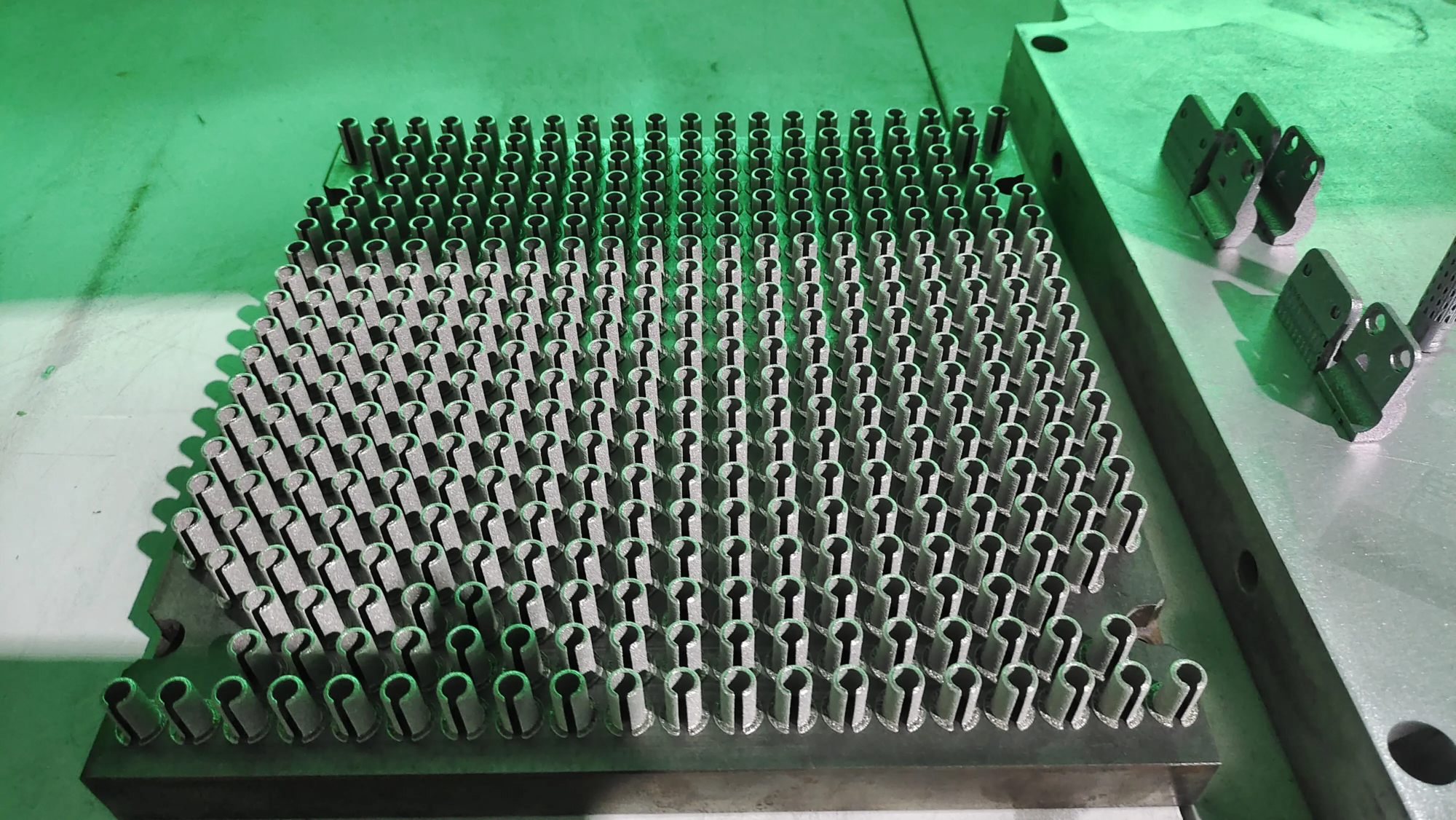
Unleashing creativity: The world of 3D printed Lego Miffig accessories
Lego Minifigures has attracted the imagination for decades. But as builders and collectors seek personalization beyond factory settings, 3D printing emerges with the ultimate pusher. From medieval armor to science fiction gadgets, this technology democratizes customization and makes fans dream bigger. Let’s explore how 3D printed accessories can transform the LEGO ecosystem and why we like professional services Great Redefine accuracy in this niche.
Why 3D printing accessories?
1. Unlimited customization:
Unlike mass-produced parts, 3D printing enables unique designs for theme-specific needs – whether it’s the treasure of a pirate or the laser tool of an astronaut. Digital modeling software (such as Tinkercad, Blender) allows creators to use traditional injection molding to engrave complex geometric shapes.
2. Cost and speed efficiency:
For one-time prototypes or small batches, 3D printing slash costs are eliminated by eliminating mold expenses. It takes several hours (rather than weeks) to accelerate creativity.
3. Hybrid Material Innovation:
While most LEGO parts use ABS plastic, 3D printing expands the palette:
- Plastic (PLA, resin): Suitable for lightweight, fit accessories (such as a cape or helmet).
- Metal (stainless steel, titanium): For quality details like swords or shields, metal printing adds durability and weight. This is Gre Big Doctor’s expertise shines,use Selective laser melting (SLM) Micro-precision technology.
Production workflow: from pixels to physical parts
Step 1: Digital Design
Start with CAD software. Make sure the accessory size is consistent with LEGO’s standard minifig specifications (e.g., the handle diameter is 3.18mm).
Step 2: Printing technology selection
- Plastic parts: FDM or resin printing is suitable for most accessories.
- Metal parts: SLM or DML (Direct Metal Laser Sintering) produces powerful, detailed components – Greatlight’s industrial SLM printers achieve resolutions below 20 µm.
Step 3: Post-processing
Crucial to aesthetics and function:
- Grind/polish to remove layer lines.
- Metal parts are heat treated to obtain strength.
- Custom finishes: plating (gold/silver coating) or Patinas for antique effects.
Step 4: Compatibility Testing
Stress testing connections (e.g., clip-on backpacks, handheld tools) to ensure seamless integration with real LEGO parts.
Why cooperate with professional prototype services?
When desktop printers handle basic projects, Complex metal accessories require industrial-grade solutions. Where is this Great Expertise:
- Advanced SLM printer: Provides precise invalid metal structures for use in critical weight items such as mecha exoskeletons or jewelry.
- End-to-end finishing: From sand blue to custom shading, their post-processing eliminates the DIY limitations.
- Material versatility: Process stainless steel, aluminum, titanium or foreign drugs (such as heat-resistant components) etc.
- Speed scale: From prototype to production, Greatlight’s fast turnaround (up to 24-72 hours) keeps the project agile.
Case study: A collector commissioned the outstanding print of chrome-plated samurai armor. Using SLM-printed stainless steel, the team implemented articulated plates with a joint tolerance of 0.1mm, which was impossible to print with plastic.
FAQ About 3D printed Lego accessories
Question 1: Are 3D printed accessories compatible with the official LEGO miniature?
Yes, if designed to specification. Observe Lego’s measurements (e.g., hand holes, nail diameters) to ensure that the clamping parts are securely captured.
Q2: 3D printed parts with original LEGO LEGO Durability?
- plastic: Resin-printed parts are close to LEGO’s durability; FDM requires optimal layer adhesion.
- Metal: SLM printing accessories Exceed Lego strength, perfect for high stress components.
Q3: Can I print color accessories?
Multi-material printing exists, but it is expensive. Professionally finished parts (e.g., hand-painted or electroplating) provide richer details.
Question 4: Are design accessories legally safe?
Modify universal items (swords, helmets) instead of brand design. Avoid LEGO’s copyright logo/figure similarity.
Q5: Why use metal instead of plastic as accessories?
Metal adds realism and permanence to display pieces, jewelry or mechanical functional parts such as rotating gears.
Q6: How does Greatmight ensure the accuracy of complex geometric shapes?
Their SLM printers use ultrafine lasers and an inert gas chamber to fuse metal powder into dense high resolution structures verified by CT scans.
in conclusion
3D printing unlocks Lego’s custom-made Renaissance, blending nostalgia with cutting-edge technology. This is a playground for amateurs to have endless ideas. For professionals and collectors, services like this Great Improve project Precision metal prototype– Transform digital fantasy into micro reality. Whether it’s the staff who make the plastic guide or the titanium spacecraft thruster, innovation will begin when the dream meets an expert’s execution.
Explore the border: Your custom accessories journey is waiting. Connect with fast prototype pioneers to go beyond boundaries.
Greglight is a leading rapid prototyping manufacturer specializing in 3D printing and precision machining of metals SLM. Through seamless post-processing and global shipping, they empower innovators across the industry. Please request a quote for your next high-determination project.


