Using 3D printing to solve the toothpaste tube dilemma
We’ve all been there: struggling to squeeze the last bit of toothpaste out of a flat tube, fighting a stubborn corner, or struggling with a messy bottle cap. This daily frustration represents not only annoyance but also significant product waste. An ingenious solution caught the attention: 3D printed toothpaste squeezer. By harnessing the precision and flexibility of additive manufacturing, these devices provide a customizable, efficient solution to the toothpaste problem. Let’s explore how 3D printing can reinvent this humble bathroom essential.
Why squeeze out toothpaste?
Conventional piping traps valuable residue in crimps and edges. Research shows that up to 10% of toothpaste remains unavailable, wasting money and resources. Squeezers solve this problem by applying even pressure (via rollers, wedges, or snaps) to systematically push the contents toward the nozzle. While commercial extruders exist, they often suffer from poor ergonomics, limited compatibility, or cheap materials. 3D printing completely bypasses these limitations.
Popular 3D Printing Extruder Designs
- Wall mounted roller system:
Typically have geared rollers and smooth channels and need to be mounted to a vertical surface such as tiles or mirrors. Turn the knob to drive the roller, forcing the paste upward. Printing bearings in place ensures smooth operation. Designers optimize track curvature to accommodate different tube diameters. - Handheld keychain holder:
Compact, portable design uses lever or cam mechanism. Slide the end of the tube into the clamp hinge and squeeze the handle to press the paste upward. The custom profile grips the tube securely without slipping or tearing, making it perfect for travelers or children. - Vertical sliding press:
A tube is inserted into a slotted frame while a weighted plunger presses downward. Gravity ensures constant pressure. Featuring printed handles for easy refilling and cleaning, these products are simple yet incredibly efficient. - Mechanical approach based on torsion:
Variations include threaded rods or spiral paths. Twisting the knob pushes the follower plate toward the base of the tube for maximum control of thick paste. The gear ratio can be modified to adjust the distribution of force.
Materials Issues: Safety and Durability
Material selection is crucial:
- Food Safety Compliance: Using FDA-approved filaments such as PETG or PP reduces the risk of bacterial growth. Avoid using opaque resins with unpredictable additives/diluents. Make sure the sealant/extruder has similar ratings.
- Chemical resistance: Fluoride and peppermint oil can degrade some plastics. PETG is superior to PLA in this regard, while nylon has superior elasticity.
- Stress resistance: FEA simulations help optimize wall thickness in high stress areas. Metals such as stainless steel (used in pioneering SLM industrial printing) guarantee an extremely long service life. Always prioritize annealing printed parts to mitigate layer stress vulnerabilities.
Customization: Personalization
Beyond functionality, 3D printing also facilitates total customization. Standard extruders rarely accommodate oversized hand tubes or pediatric specifications. Using CAD software:
- Instantly resize the model according to the tube diameter, from travel size to home size.
- Personalize surfaces with embossed names, geometric textures or brand logos.
- Integrate a toothbrush holder or floss container using parametric design.
From concept to creation: the manufacturing process
Whether DIY printing or professional sourcing, realizing these designs involves:
- Design refinement: Engineers used topology optimization tools to minimize weight while increasing stiffness. Key stress points (hinges, roller axes) are iteratively simulated.
- Prototyping: Desktop FDM printer enables rapid version testing. However, achieving industrial-grade precision, especially complex mechanical precision, requires advanced metal technology. This is where a professional partner delivers unparalleled results.
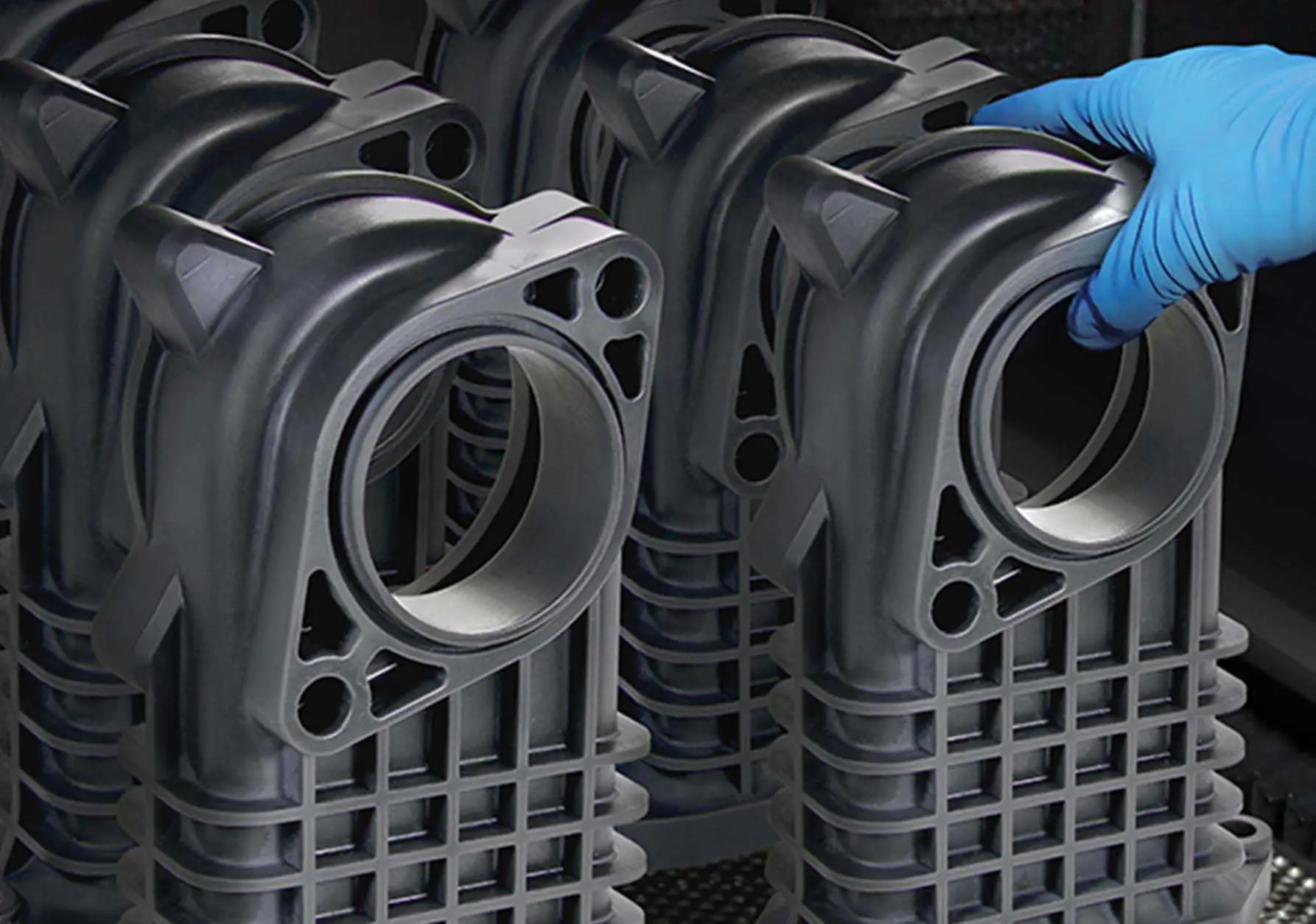
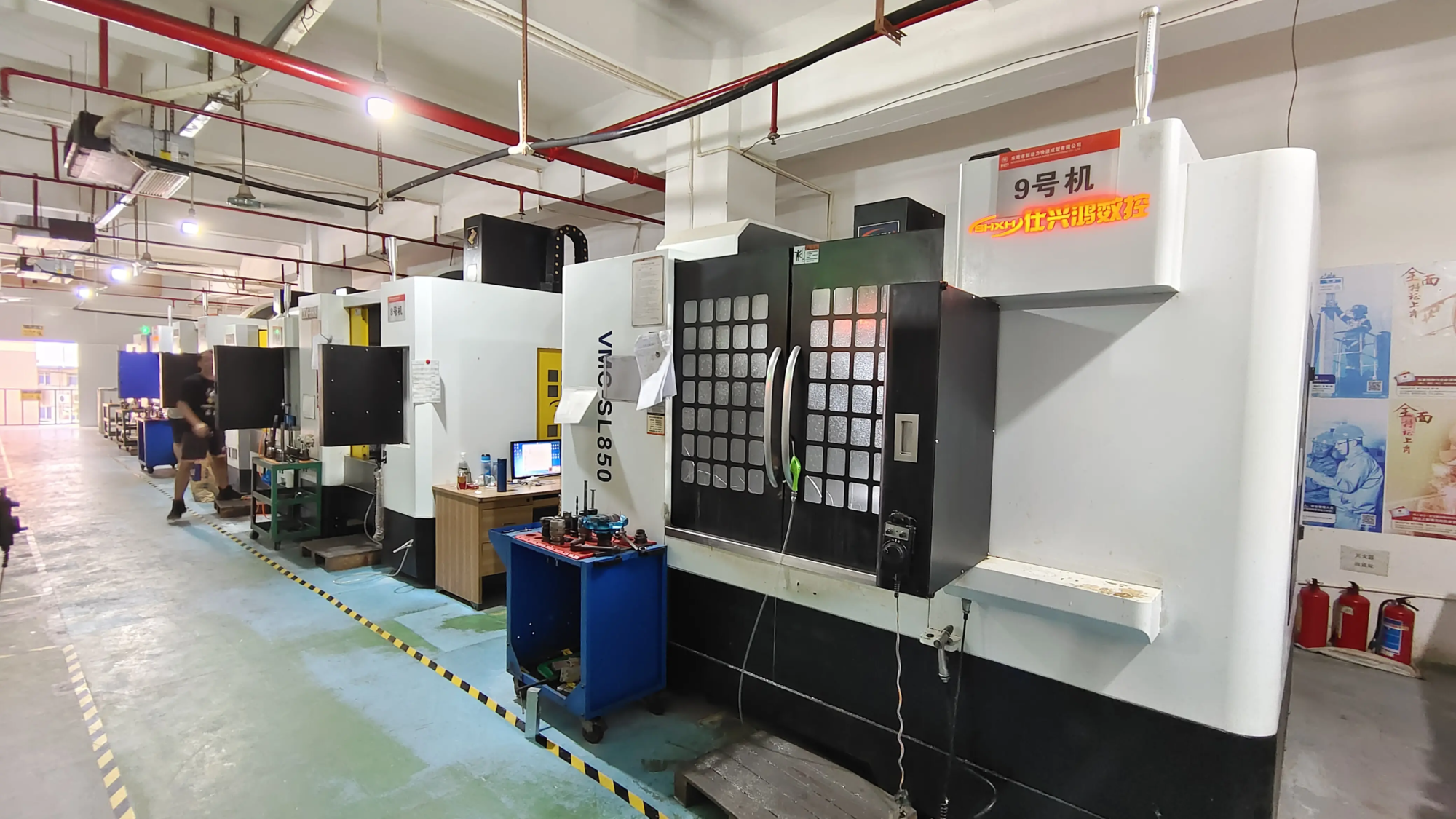
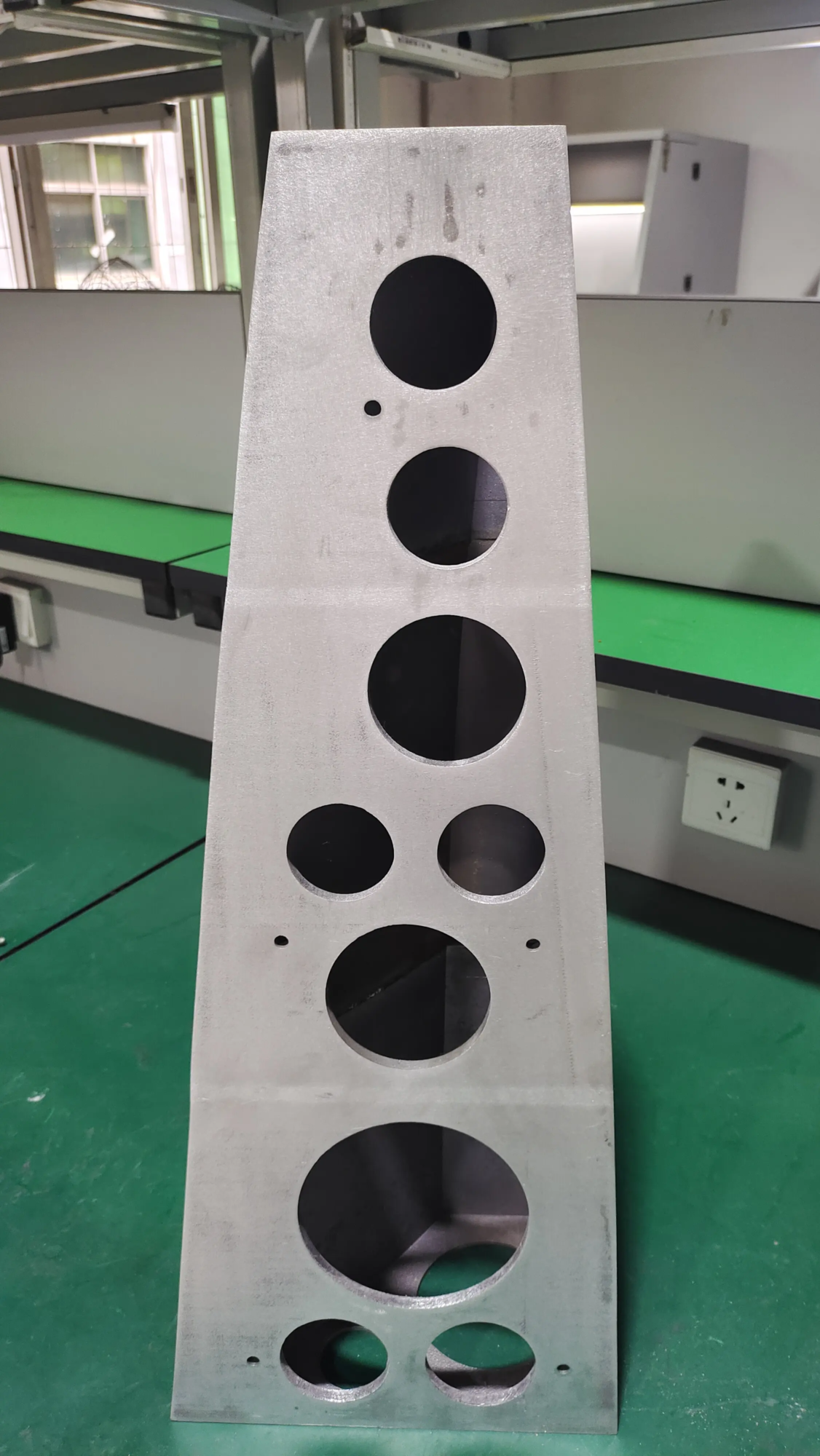
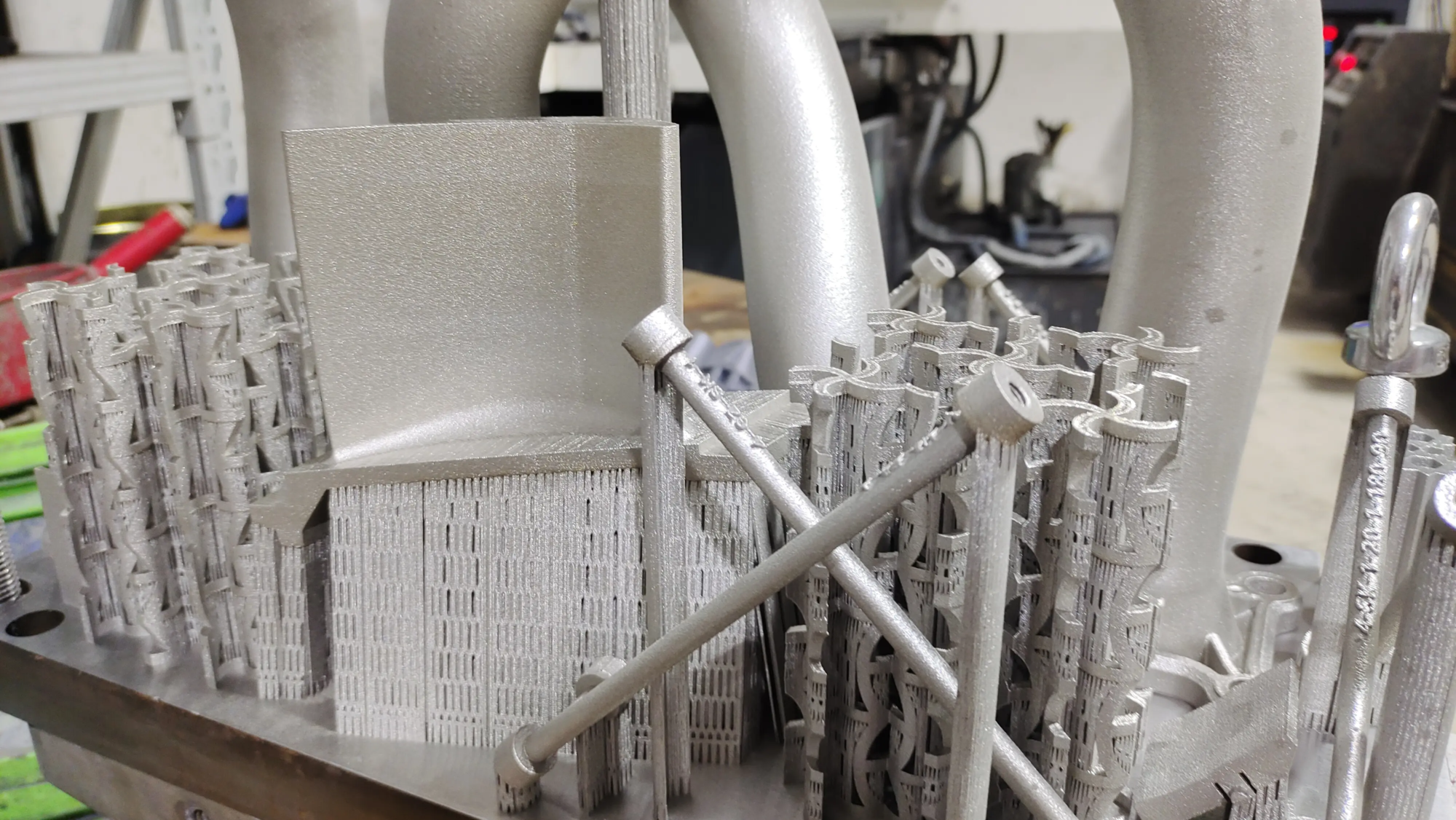
As a leader in rapid innovation, huge light Excellent performance here. Take advantage of advanced Selective Laser Melting (SLM) 3D Printerthey transform metal powder into super-strong parts with micron-level precision. Their expertise solves complex prototyping challenges involving moving components or material compatibility. In addition to printing, GreatLight offers comprehensive post-processing: CNC machining for critical tolerances, polishing for food safety certification, coating for corrosion resistance—all under one roof. Customers benefit from fast turnaround customization in a variety of metals (stainless steel, titanium, aluminum) at competitive prices. Industrial SLM printing is revolutionary for extruders that require rugged, lifetime performance.
Benefits beyond convenience
- Environmental friendly: Reducing waste extends the life of your toothpaste, reducing its contribution to landfill and the need for packaging. Printed PLA/extruder uses biodegradable raw materials.
- High cost performance: Prototypes are low-cost compared to injection molding, while the metal version avoids the need for expensive molds for small series production.
- Design evolution: The open source repository allows the community to improve: fork designs can innovate handles, mounting systems or recycling integrations.
in conclusion
The toothpaste squeezer epitomizes how 3D printing can democratize real-world problem solving. From parametric handheld devices that rival commercial designs to powerful SLM manufacturing equipment that promises lifetime service, these innovations balance home practicality with sustainability awareness. While consumer-grade printing results are impressive, mission-critical applications such as health clinics or metal pipe management require professional-grade rigor. Leverage suppliers like GreatLight to unlock engineering depth with advanced alloys and superior finishing. Ultimately, it’s about frictionless efficiency: no more wrestling before breakfast.
FAQ
1. Are 3D printed extruders hygienic?
If done right: Yes. Use food-safe filament/resin, avoid internal gaps where bacteria can linger, and choose sealed surfaces. It is recommended to clean with alcohol regularly. Industrial SLM metal prints offer excellent sterility and can withstand autoclaving.
2. Can I print flexible extruder parts?
For clips that require bending, TPU prints reliably. Avoid overstretching thin slices. Alternatively, integrate the printed hard frame with removable silicone inserts.
3. How long is the service life of a printing extruder?
If designed properly, FDM prints in PLA/PETG can be used in the home. SLM produces a metal version that offers near-permanent durability against exposure to regular toothpaste chemicals.
4. Do I need support or specialized setup?
Overhanging rollers/clamps require support. Use a soluble PVA interface to preserve complex mechanisms. Metal SLM printing minimizes support through optimized self-supporting angles.
5. Where can I find a reliable custom parts manufacturing partner?
For production-scale prototyping that requires accuracy and certified benchmarks, work with an accredited rapid prototyping specialist, such as huge light. Their SLM capabilities and finishing tools cover aerospace grade medical/material standards, which is critical for durable extruders or complex components that require functional life auditing.
Embrace innovation and sustainability – make the perfect proportions of pea-sized mash one at a time!