Unleash Creativity and Precision: The Ultimate Guide to 3D Printing Rubber Ducks
The humble rubber duck has transcended its role as a simple bathtub companion to become an icon of pop culture and a blank canvas for creativity. Today, 3D printing has revolutionized the way we design and produce these beloved statues, enabling unprecedented customization, rapid iteration, and complex geometries. Whether you’re a hobbyist, a toy designer, or an engineer prototyping a concept, this guide will explore the art and science of printing your own rubber duck.
Why 3D print a rubber duck?
- Customized: Design a duck of any shape, size or theme – from superheroes to corporate mascots.
- rapid prototyping: Rapidly iterate on designs for product development or art projects.
- educational purposes: Teach buoyancy, fluid dynamics, or manufacturing principles through tangible models.
- Cost effective: Avoid molding costs for small batches, especially customized products.
Designing your duck: key considerations
software: Tools like Fusion 360 or Tinkercad are great for beginners. Focus on:
- watertight geometry: Make sure there are no gaps in the .STL file – use "make solid" Tool to repair mesh.
- buoyancy: Hollow interior (with drainage holes) optimizes flotation. To ensure rigidity, the wall thickness should be 1.5-3mm.
- Safety: Rounded edges for children’s toys; if used for bathing, avoid small removable parts.
For tips: Start with open source templates like Thingiverse and modify them to fit your vision.
Material Selection: Beyond Traditional Rubber
While actual rubber is not printable, flexible filaments can simulate its properties:
- TPU (thermoplastic polyurethane): The gold standard in flexibility (Shore 95A), durability and water resistance. Print slowly (20–30mm/s) to avoid nozzle clogging.
- Silicone resin:Professional-grade flexibility. Use a stereolithography (SLA) printer. Water resistance of post-cured objects.
- Avoid using PLA: Too stiff for a squeezable duck; PETG works, but lacks rubbery feel.
Safety precautions: For bath toys, choose FDA-compliant TPU or non-toxic, biosafe resin. Seal the print with a waterproof coating.
Master the printing process
-
Printer settings:
- FDM printer: Direct drive extruders are best suited for processing TPU. Use a glue stick on the bed to prevent warping.
- SLA/DLP printer: Best for intricate details in resin. Hollow models reduce material costs.
-
Button settings:
- Layer height: 0.1–0.2 mm for smooth surfaces.
- Padding: 100% for solid versions; 0% for hollow designs.
- Support: Use tree supports on tricky overhangs (e.g., under the beak).
- water tightness: Use epoxy or food-safe silicone spray to seal FDM prints. SLA printing benefits from additional UV curing.
Strive for perfection in post-processing
- Sanding: For resins or rigid plastics, start with coarse (120 grit) and work your way up to finer (400+ grit). Flexible TPU is more difficult to polish.
- painting: Use primed acrylic. Seal with varnish to protect against water.
- assembly: Adhere wings or accessories with cyanoacrylate (superglue) or flexible adhesive.
Overcome common challenges
- warping/bending: Print slowly using a heated bed (60°C) and a closed chamber.
- Threading: Minimal retraction of TPU (<2mm) and lower printing temperature.
- leakage: Waterproof inner cavity with liquid sealant. Stress test before gift giving!
Beyond the Ducks: Elevate Prototyping with the Pros
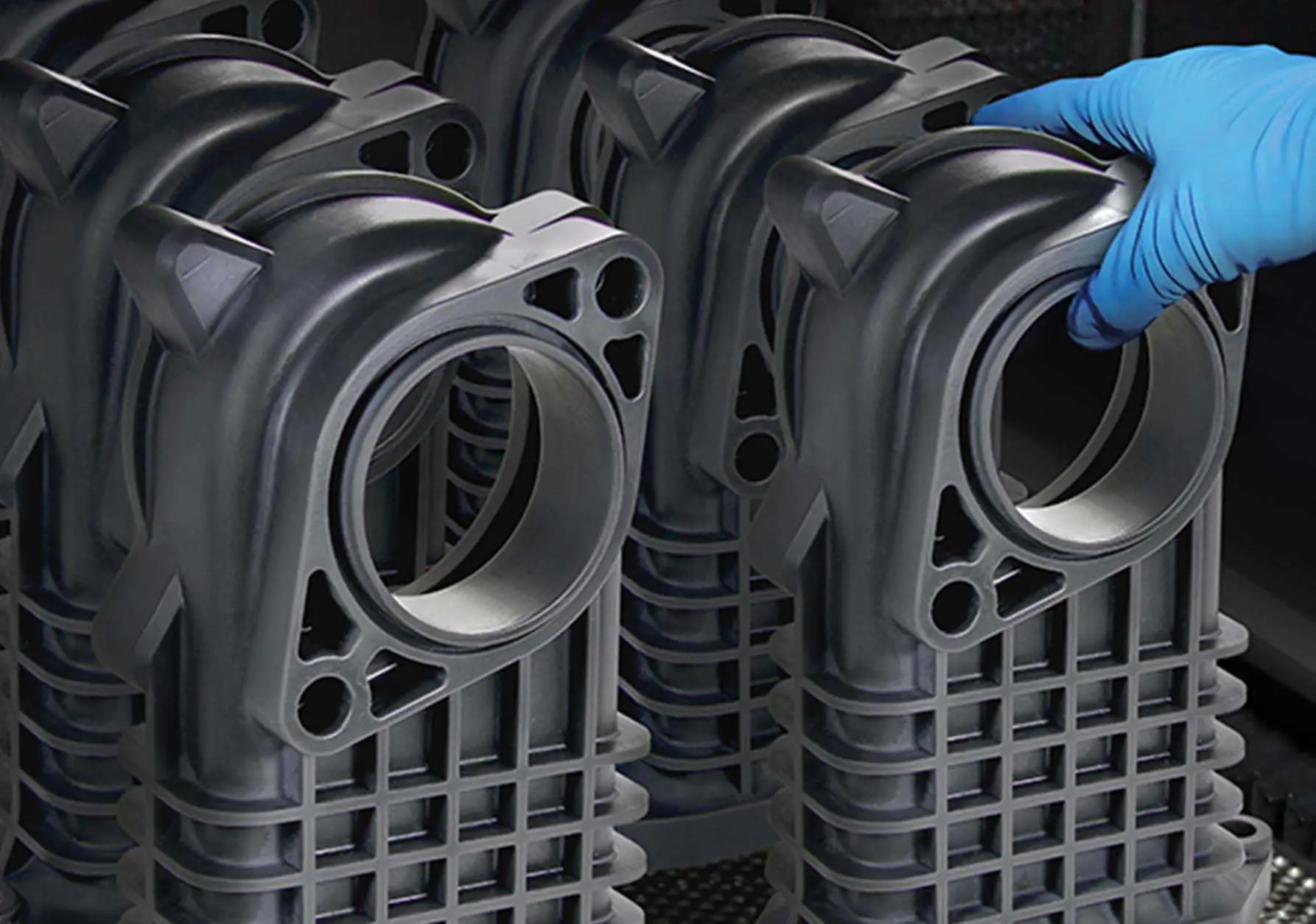
While DIY printing democratizes creation, complex or industrial projects require expert handling. This is what experts like huge light shine. we use SLM (selective laser melting) technology and multi-material expertise to solve complex prototyping challenges ranging from aerospace components to medical devices.
Glow advantage:
- ✅ Advanced SLM Printer: Precision metal prototyping for high stress applications.
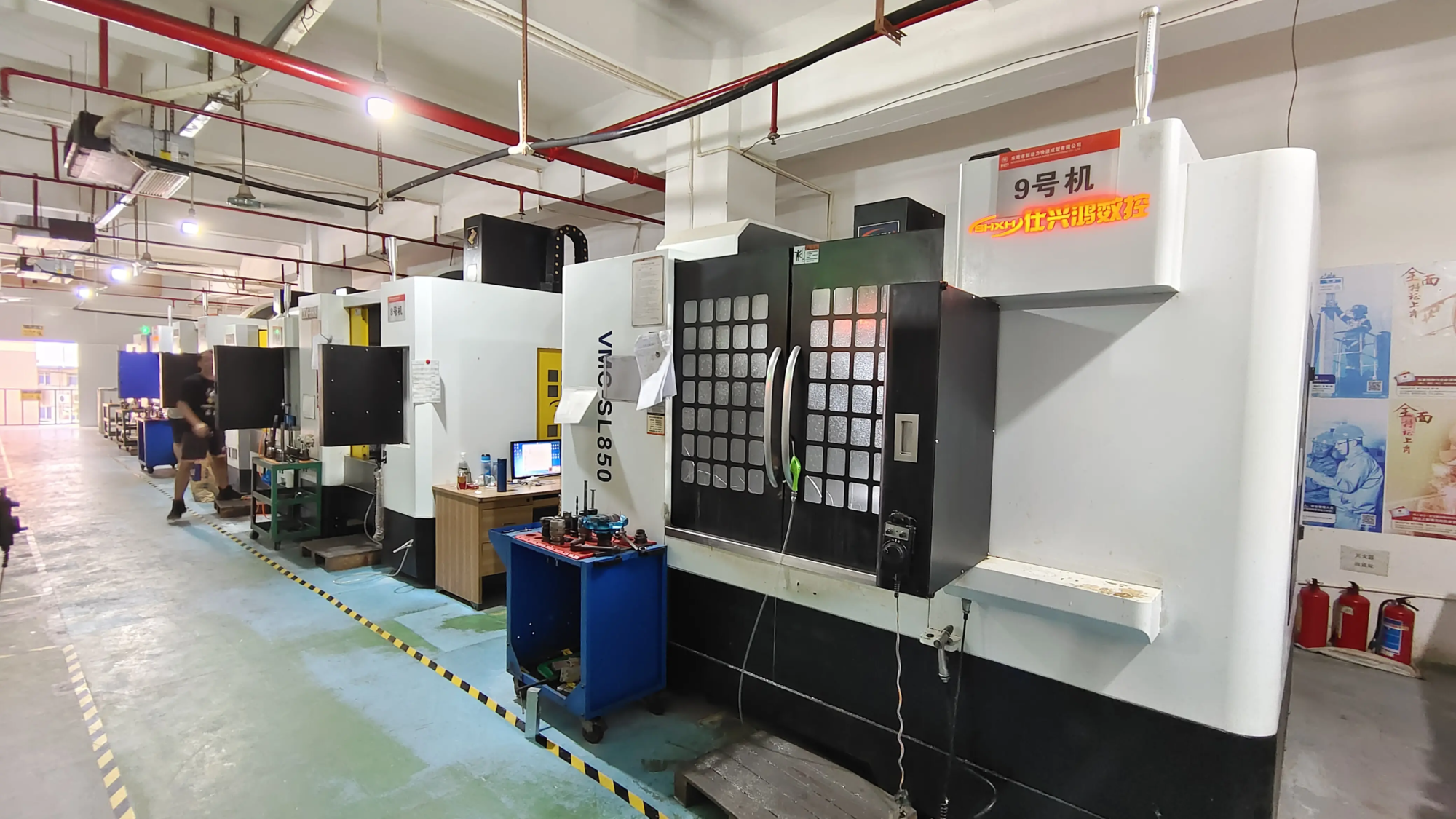
- ✅ One-stop organization: Machining, polishing, coating and assembly take place under one roof.
- ✅ Material diversity: Stainless steel, titanium, Inconel® and custom alloys.
- ✅ Speed and scalability: Rapid turnaround for prototypes and low-volume production.
For engineers facing tolerance challenges or designers testing ergonomic forms in metal, our capabilities can eliminate bottlenecks.
in conclusion
The 3D printed rubber duck demonstrates the perfect blend of fun and functionality – turning ideas into tangible, customizable reality. But beyond hobbyist projects, innovative prototyping drives industrial progress. company likes huge light Examples of how cutting-edge technology (such as SLM) and comprehensive post-processing can streamline development cycles and ensure speed, accuracy and reliability.
Ready to turn your vision into reality?
Customize your precision rapid prototyping projects with GreatLight today – complex metal and polymer concepts become a reality at an unbeatable price.
Frequently Asked Questions About 3D Printed Rubber Ducks
Q1: Can the 3D printed duck float?
Yes! Hollow design with sealed interior simulates buoyancy. Use lightweight materials (such as TPU) and avoid water immersion.
Q2: Are 3D printed bath toys safe?
Only when printing with non-toxic, water-resistant materials such as FDA-approved TPU. Seal seams carefully and disinfect regularly.
Q3: How durable is the TPU duck?
TPU resists tearing and deformation. Shore 95A provides stiffness; Shore 85A has a softer feel but less flex for intense play.
Q4: Why choose professionals like GreatLight for prototyping?
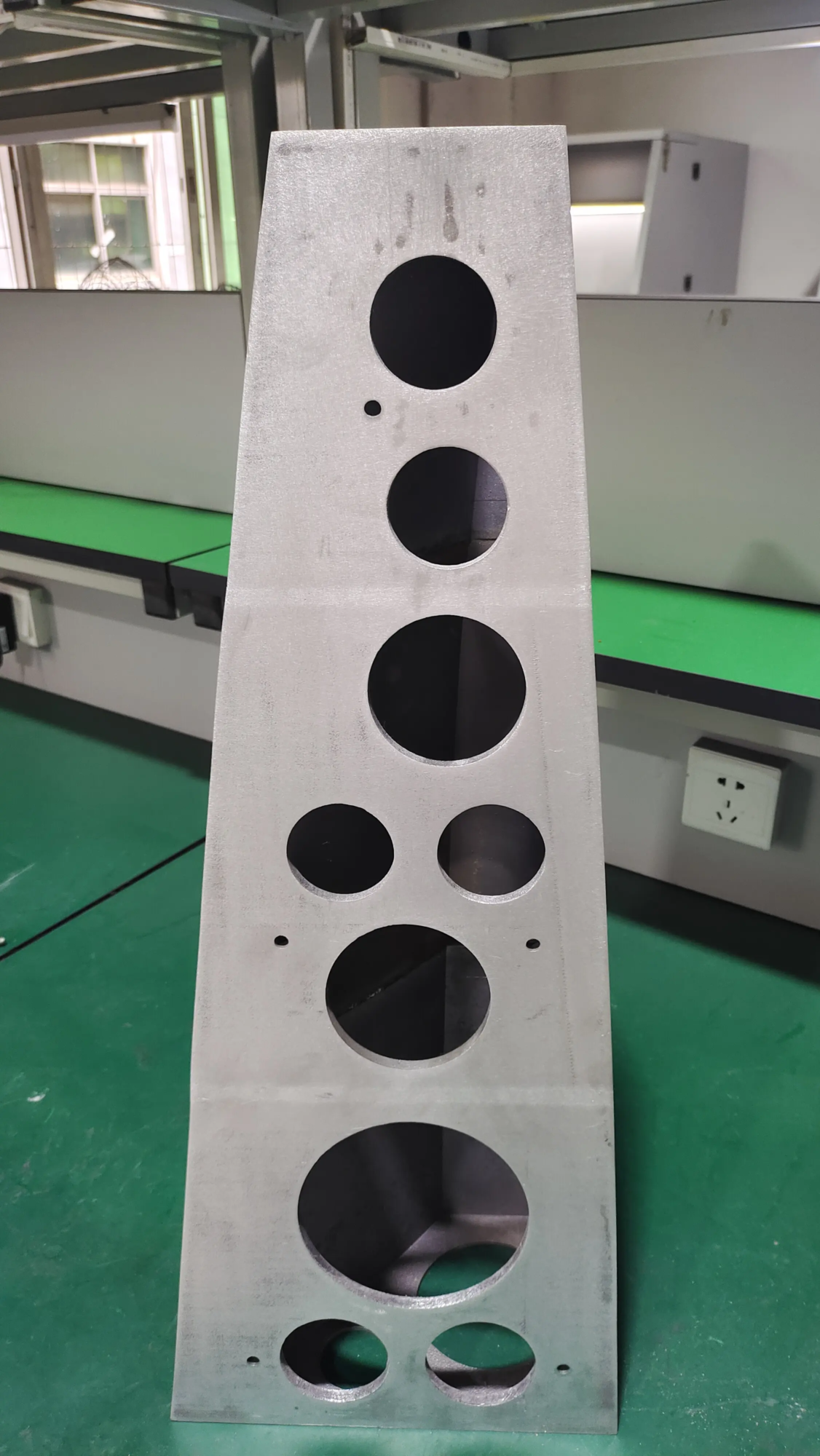
Complex geometries, tight tolerances (±0.05mm), and materials such as titanium require industrial-grade equipment and finishing. GreatLight ensures the robustness of functional testing.
Q5: Can I print multi-color ducks?
For FDM printers, filament exchange technology enables basic color patches. For gradients/details, post-print painting or multi-material SLA printers perform well.
Q6: How do I make my duck waterproof?
Combined with low layer height (<0.15mm), perimeter overlap adjustment and post-print sealant. Pressure testing of underwater models.
Q7: What is the cost difference between DIY and professional prototyping?
DIY: Great for informal projects ($5-$20 per duck). Expertise: Affordable when precision, scale or materials expertise is critical – GreatLight’s volume services significantly reduce unit costs.