The invisible revolution: How 3D printed water pipes are reshaping infrastructure
Water pipes form the circulatory system of modern society—from municipal water networks to industrial cooling pipes, they quietly perform life-sustaining functions. However, traditional manufacturing methods rooted in casting, extrusion or forging have long faced limitations: inflexible design constraints, long production cycles and material inefficiencies. 3D printing technology is breaking this status quo. Additive manufacturing is revolutionizing pipe production by enabling unprecedented customization, efficiency and performance. Here’s an inside look at the transformation.
Why choose 3D printing?
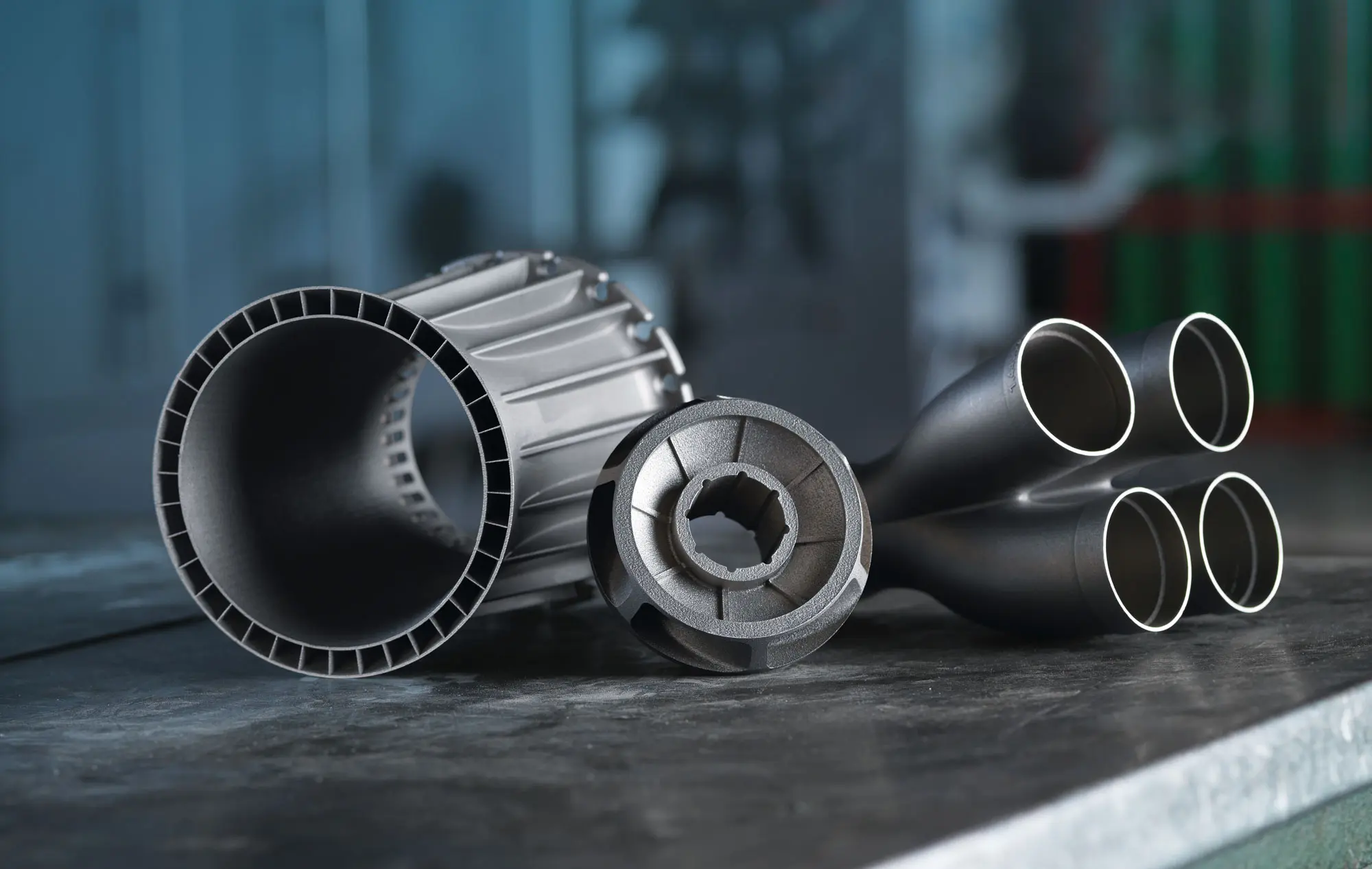
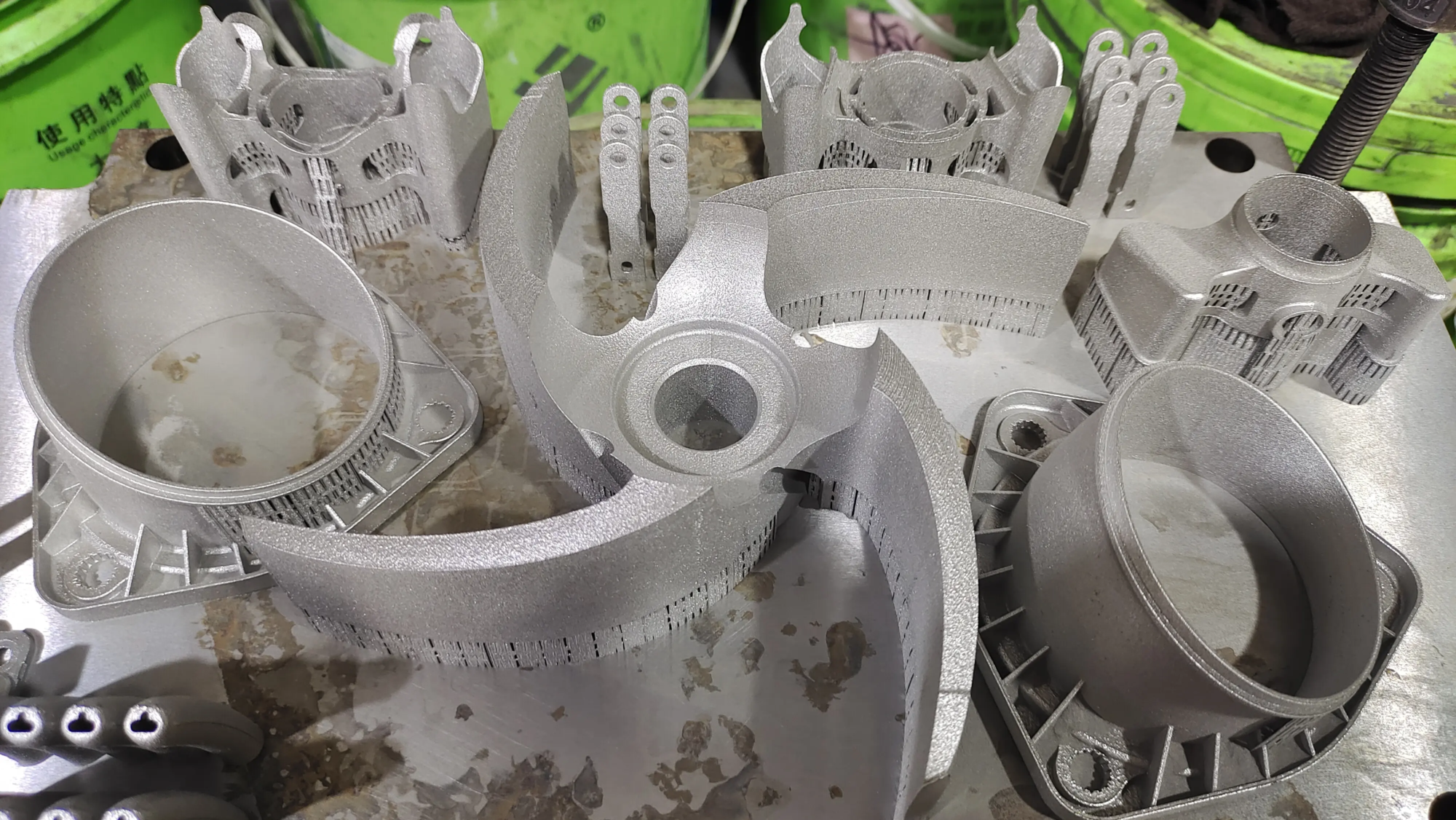
Traditional pipe manufacturing often requires expensive tooling and standardized molds, making customization expensive and slow. Complex geometries such as internal baffles, tapered channels or integrated brackets become an engineering nightmare. Additive manufacturing, especially Selective Laser Melting (SLM)remove these obstacles. SLM uses high-power lasers to melt metal powder layer by layer to create pipes directly from digital designs. The leap from subtractive to additive processes allows engineers to completely rethink hydraulic dynamics.
Key innovations driving the revolution
-
Super customized
- Application-specific design: Unlike mass-produced rigid pipes, 3D printing enables custom solutions. Examples include:
- Aerospace cooling systems: Pipes with an internal lattice structure that allows for maximum heat exchange.
- chemical processing: Corrosion-resistant pipes with spiral flow channels prevent deposits.
- Integrated functions: Sensors, stiffeners or branch connections can be printed as a single component, eliminating weak joints and assembly steps.
- Application-specific design: Unlike mass-produced rigid pipes, 3D printing enables custom solutions. Examples include:
-
Material progress
- Various alloys: 3D printing uses advanced metals such as duplex stainless steel, Inconel, titanium and copper, each with properties such as corrosion resistance, thermal stability or weight reduction.
- hybrid structure:Gradient materials (which vary in composition along the length of the pipe) enhance stress-critical sections while optimizing cost.
-
speed and sustainability
- rapid prototyping: New designs can be validated in just days instead of months. Engineers can iterate on prototypes faster, thus accelerating innovation.
- resource efficiency: SLM uses only the material needed for the part, with up to 90% waste compared to machining. Localized production also reduces carbon emissions from transportation.
- Performance breakthrough
- Computational fluid dynamics (CFD) software optimizes pre-printed internal geometries to minimize turbulence and pressure loss.
- Post-processing such as Hot isostatic pressing (HIP) Ensures zero porosity and aerospace-grade durability.
real world impact
Industries benefiting today:
- vitality: The geothermal power plant uses 3D printed titanium tubes that can resist salt water corrosion at temperatures exceeding 300°C.
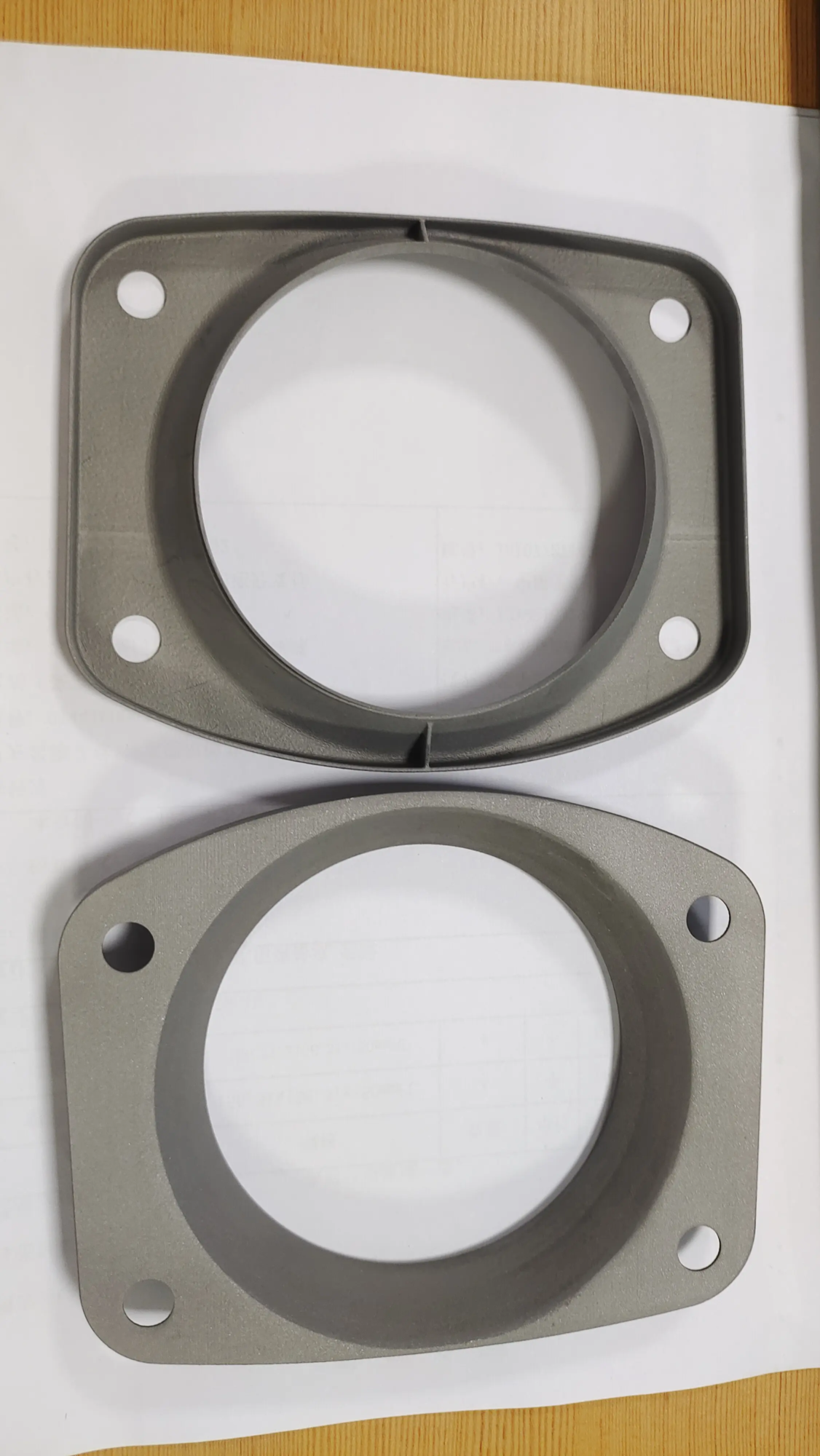
- municipal water supply system: Custom-shaped drain pipes reduce installation time on remodeling projects.
- drug: Free-form coolant piping enables ultra-clean bioreactor operation.
Overcome challenges
Quality assurance remains critical. Issues such as microporosity and residual stress can be addressed by:
- Industry Standard Certification: Processing in compliance with ASTM F3302 ensures material integrity.
- Post-processing mastery: Techniques such as CNC machining, electropolishing and passivation ensure a smooth, contamination-free surface – especially important for drinking water.
Spotlight: GreatLight’s role in advancing the field
Innovation requires expert partners. huge light is one of China’s leading rapid prototyping manufacturers, focusing on metal 3D printing solutions. Equipped with industrial grade SLM printerGreatLight handles everything from prototyping to seamless volume production. Their end-to-end services include:
- technical expertise: Optimizing designs for additive manufacturing constraints.
- Material range: From titanium and stainless steel to copper alloys – processed to exacting standards.
- Overall post-processing: Precision machining, surface finishing (sandblasting, polishing) and heat treatment.
GreatLight’s ability to accelerate delivery of custom parts exemplifies how advanced manufacturing can solve complex engineering challenges. [Discover bespoke 3D printing solutions for your pipeline projects.]
Conclusion: Towards a smarter future
3D printed water pipes are not a niche experiment; they are becoming the backbone of the next generation of infrastructure. By combining design freedom with robust materials and sustainable practices, additive manufacturing solves the long-standing compromise between cost, efficiency and innovation. As standards evolve and the industry adapts, pioneers like GreatLight will continue to push boundaries and turn theoretical designs into lasting realities. This revolution isn’t just about replacing pipes; It’s about reimagining the flow of progress.