Explore the complex world of 3D printer costs: your ultimate pricing guide
Ever wonder why a metal prototype costs twice as much as another seemingly similar part? Or feel overwhelmed by the huge price range when comparing desktop FDM printers? you are not alone. Understanding 3D printing pricing (whether you buy a machine or outsource printing) can be complex. Accurate pricing isn’t just about finding the cheapest option; This is about unlocking true value tailored to your project needs. This guide will answer your questions and provide you with the knowledge to make informed, cost-effective decisions on every aspect of your 3D printing investment.
Uncovering Costs: Buying vs. Outsourcing
Your initial decisions can greatly impact your budget:
-
Buy your own 3D printer:
- Initial investment: This is the upfront machine cost. The range is wide:
- Desktop/enthusiasts: $200-$1,500 (FDM/resin).
- Prosumers: $1,500-$7,000 (high-end FDM, SLS/resin).
- Professional/Industrial: $10,000 – $200,000+ (Metal SLM/SLS, Large Format SLS, PolyJet, Advanced FFF).
- Consumables: Filament ($20-$100/kg), resin ($50-$150/kg), nylon powder ($70-$150/kg), metal powder ($100-$500+/kg).
- Basic ancillary fees: Calibration tools, maintenance kits, spare parts, ventilation/filtration (especially resin/powder), dedicated software licenses (sometimes), power consumption.
- Operating costs: Maintenance, technician time/salary, failed prints (wasted material), facility space.
- Things to note: Ideal for consistent production needs where material volumes justify machine amortization or where rapid in-house iteration is critical. The required expertise is very important, especially for industrial systems.
- Initial investment: This is the upfront machine cost. The range is wide:
- Outsource to a 3D printing service (such as GreatLight):
- No machine investment: Remove huge capital expenditure barriers.
- Pay per part: Cost calculation basis Material volume (cubic centimeters, grams), Material type, Build time, laborand Post-processing Require.
- Typical method:
- Frequency division multiplexing: Typically $1.00 – $10.00+ per cubic inch ($0.06 – $0.60+ per cubic inch) + setup/post-processing.
- SLA/DLP: $2.00 – $15.00+ per cubic inch ($0.12 – $0.90+ per cubic inch) + support removal/cure setup/post-processing.
- SLS/MJF (nylon): $1.50 – $8.00+ per cubic inch ($0.09 – $0.50+ per cubic inch) + Depowdering/Staining/Smoothing.
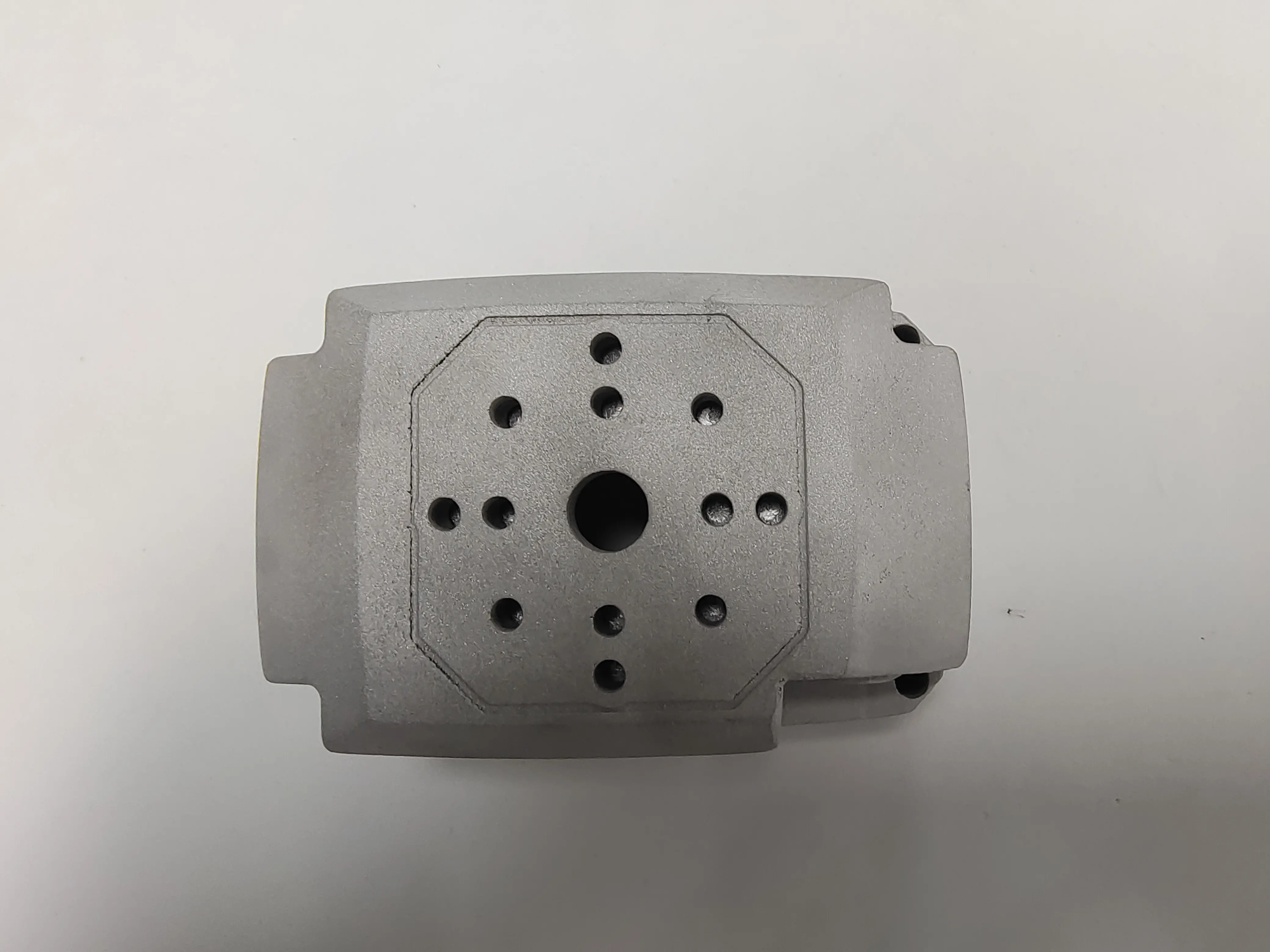
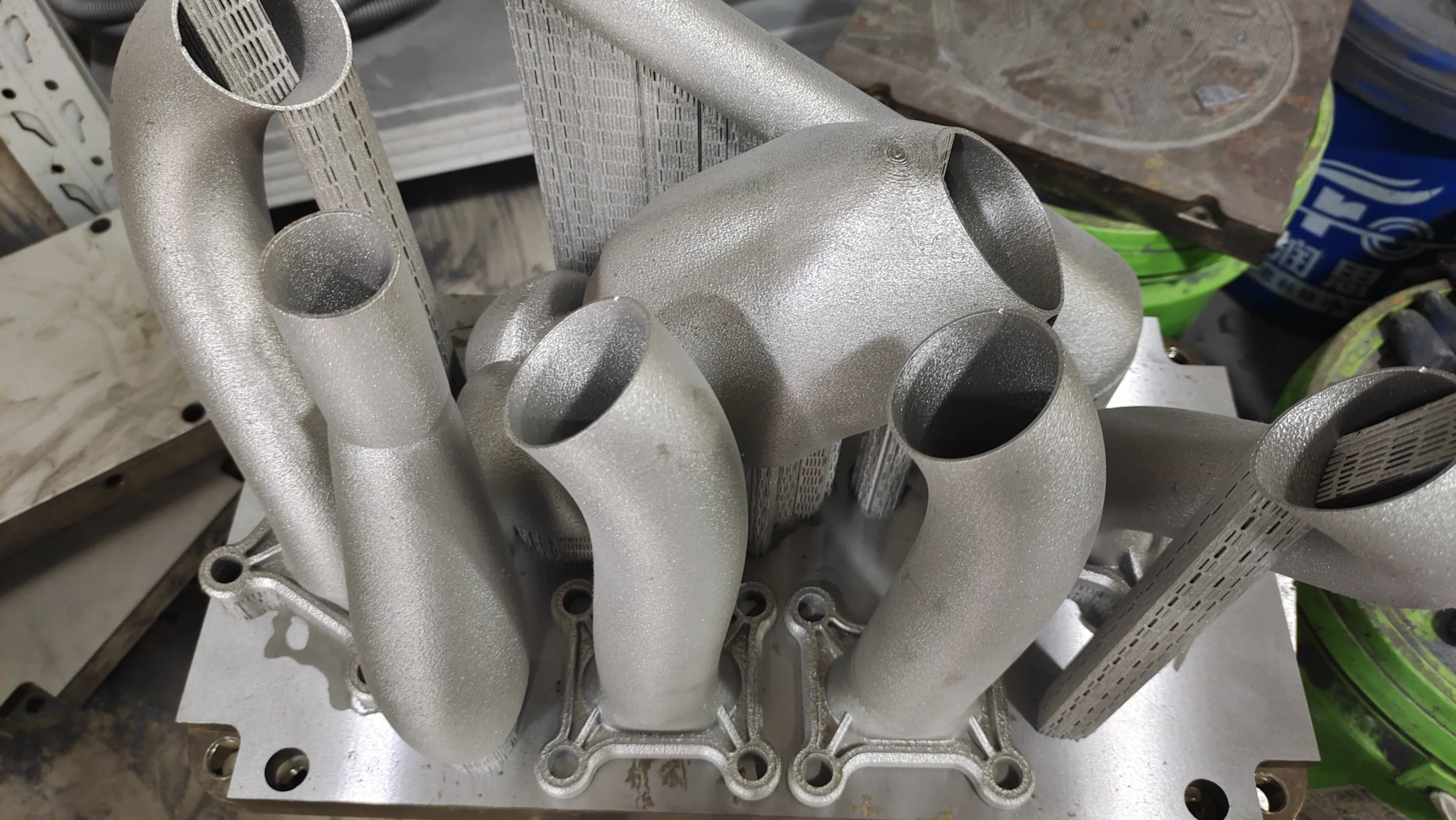
- Metal SLM/DMLS: $20.00 – $100.00+ per cubic inch ($1.20 – $6.00+ per cubic inch) Plus important post-processing. This is the advantage of precision suppliers.
- Things to note: Best for variable production volumes, accessing geometries/materials beyond in-house capabilities, leveraging expert finishing or avoiding machine maintenance expenses.
Dive Deeper: The Key Factors That Determine Price Tags
Ultimately, several converging forces determine your bottom line:
- Manufacturing technology: As mentioned above, the core additive manufacturing process determines the base price tier. The operating cost basis for metal fusion (SLM/DMLS) is completely different from desktop FDM.
- Material cost: Materials greatly affect price:
- polymer: Base PLA < ABS, PETG < ASA, PC < Engineering (e.g. PEEK, PEKK, Ultem) < Nylon Powder < Support specific resin/powder.
- Metal: Stainless steel < Aluminum < Titanium < Tool steel < Special alloy (Inconel, cobalt-chromium alloy). Powder quality (fineness, sphericity) is critical for metals and affects cost/performance.
- Volume and packaging efficiency: Larger parts consume more material/time, but have economies of scale able Crucially, efficient nesting on service build plates significantly reduces the cost per part. Small parts that waste board space are often very expensive.
- complex: Pros and cons:
- Professionals: Additive manufacturing excels at making complex designs impossible with traditional methods. this complexity Generally speaking No significant increase in pre-build costs.
- shortcoming: However, complex structures often significantly affect:
- Support structure: Requires more material, extends print time, and requires expert removal (time/labor/cost).
- Surface area to volume ratio: High ratios (thin wall, lattice) will significantly increase powder/resin consumption relative to solid equivalents, thereby significantly increasing cost.
- Internal channels/cavities: Captures unused material (powder), adding weight/cleaning costs.
- Resolution/layer height: Finer details require thinner layers (=more layers required), thus increasing print time and potential machine wear/energy. Crucial for intricate cosmetic/functional details. Balance necessity and cost.
- Post-processing: this hidden iceberg Cost of AM services:
- Mechanical finishing: Cutting/grinding support remnants, CNC milling surfaces/flatness, drilling/tapping holes.
- Surface finish: Sanding, blasting, media tumbling, machining/polishing.
- Heat treatment: Stress relief (critical for metals), annealing, HIP, etc. Essential for functional parts.
- Chemical treatment: Smoothing solvents (for resins), anodizing (especially aluminum), electrochemical polishing.
- Coatings/Paints: Primer, spray paint, plating.
- examine: CMM, X-ray CT scan, dye penetrant testing. Critical for aerospace/medical.
- Geographical location and size: Labor prices vary around the world. large service bureau possible Get volume discounts on materials/machines. Administration fees vary. This doesn’t always determine quality.
- Quality certification: ISO 9001, AS9100, NADCAP, FDA compliance – Maintaining these standards adds significant overhead reflected in pricing but ensures reliability.
Pro tip: Beware of offers that appear to be low base! Always clarify meticulously exact range Include post-processing and ask for a detailed line item cost breakdown.
Why metal prototyping requires a professional service partner (like GreatLight)
Metal AM parts represent the pinnacle of complexity and cost drivers, esp. Post-processing. That’s why it makes strategic sense to partner with an experienced supplier like GreatLight:
- SLM Excellence: Utilizing advanced selective laser melting (SLM) equipment and optimized parameters ensures dense, reliable metal parts of complex geometries that are often impossible to achieve otherwise – think conformal cooling channels.
- Comprehensive expertise: Real experts understand this Solving metal prototype problems requires mastery all life cycle:
- Print settings optimization: Machine-specific parameter adjustments for materials/alloys.
- Support Design/Sintering: Crucial to prevent warping/defects and ensure removability.
- Complex disassembly: Remove parts from the build platform without damaging them, especially delicate features.
- State-of-the-art post-processing: This is the most important:
- Stress Relief Annealing: Absolutely important for dimensional stability and metallurgical properties.
- Precision support removal: manual/expert EDM/CMM guided milling.
- Surface enhancement: CNC milled interface/tolerance surfaces, sand blasting, near net shape contour milling.
- Heat treatment/HIP: Meet specific material specifications (tool steel, titanium).
- Surface treatment: polishing, electropolishing, specific anodizing (Al).
- Rigorous inspection and testing: ensuring the internal integrity (porosity) and dimensional accuracy of each drawing.
- Material mastery: Efficient processing of a wide range of demanding alloys requires deep metallurgical knowledge and optimized parameters for each alloy.
- One-stop service advantages: Integrate printing and All necessary finishing Being under one roof eliminates coordination headaches, shipping gaps and potential miscommunications – translating to faster turnaround, better process control, guaranteed quality and Significantly more predictable and optimized total cost. The cost of trying to coordinate plating, machining and heat treating yourself is much higher than a comprehensive service.
- Agile customization: Need a specific alloy variant? Custom temper? Proprietary completion? Established manufacturing partners integrate flexibility.
Your TCO Checklist: Think Beyond Initial Price
To reveal your true costs, make sure you consider the following factors:
- Project scale: How many parts/year? Outsourcing is suitable for small/medium volumes; large-scale use may justify the purchase.
- Part complexity: Can it be produced using traditional methods? Does its surface area exceed its volume? Associated with higher support/cleaning costs.
- Material requirements: Standard vs high performance engineering grade? Metal? Affects material costs and printing feasibility/parameters.
- Dimensional accuracy/tolerance (±): Standard tolerances achievable by most suppliers. Tight tolerances (±0.05 mm or less) require higher end craftsmanship/precision finishing = $$$.
- Functional requirements: Strength under load? Temperature resistance? Chemical compatibility? Stress-relieved metal? Direct driver of material selection/post-processing.
- Quality requirements: Cosmetic look? Medical/biocompatibility? Aerospace certification? Specifying equipment cleanliness, process controls, validation = higher costs.
- Delivery time: Rush printing/post-processing comes at a substantial premium.
Golden Rule: The cheapest initial quote often becomes the most expensive if key factors such as process understanding, materials expertise or post-processing capabilities are compromised.
Conclusion: Price is a reflection of value
Understanding 3D printing pricing isn’t about finding a magic number; This is a strategic analysis designed to align a project’s technical requirements, quality standards, quantity requirements and timelines with the most cost-effective approach. While purchasing a printer can control high-volume, simple parts, the inherent complexity and specialization of modern additive manufacturing (especially high-performance polymers or metals) makes working with an experienced AM service provider an increasingly strategic and ultimately economical option.
company likes GreatLight embodies this principle. By combining advanced SLM metal printing technology with deep problem-solving expertise and comprehensive, integrated post-processing capabilities, they transform the complexity of metal prototyping from a costly challenge into a reliable, predictable advantage. This integration eliminates the unforeseen cost reductions inherent in fragmented production chains.
Our goal isn’t just to reduce cost per gram or cubic inch; it’s optimizing Total cost of ownership and implementation costs (TCOE), while achieving perfect performance parts. Whether you’re buying or outsourcing, understand how pricing works. Requires transparency into the intricate details of build strategy, material selection and post-processing. Use this guide as your compass. Investing the time upfront to understand the true drivers of additive manufacturing costs will lead to significant savings and superior results.
Frequently Asked Questions (FAQ)
-
Q: What’s the cheapest way to get a small plastic prototype?
- one: For rough prototypes with loose tolerances and appearance requirements, it is often most cost-effective to use desktop FDM printing (DIY or basic service bureau) with common materials such as PLA or PETG.
-
Q: Why are metal 3D printed parts more expensive than plastic parts?
- one: Several factors: significantly higher material costs ($100/kg vs. $10/kg), high acquisition/maintenance costs of metal printers, complex controlled environments (argon/nitrogen), longer print times (energy), and extensive mandatory post-processing (stress relief, support removal, machining).
-
Q: The higher the price of the machine, the lower the printing cost?
- one: Not necessarily directly. Industrial machines offer better precision, faster speeds, and a greater choice of structures and materials, partially offsetting costs through large-scale efficiencies. However, maintenance and consumables costs may also be higher. Cost reductions often come from optimized workflows and material efficiencies.
-
Q: How to quote for 3D printing services?
- one: Usually combined with:
- Material cost (volume: cm3/g)
- Machine time cost (machine usage/hour)
- Setup/preparation fee
- Post-processing labor/material costs
- Potential markup/profit.
- one: Usually combined with:
-
Q: What are the most common hidden costs?
- one: Post-processing complexities beyond basic removal/roughing (especially machining/sanding/painting), failed prints due to design/printer/material mismatches, special materials requiring unique parameters/setup, expediting fees, shipping heavy/bulky parts/metal parts.
-
Q: Do you really save money by outsourcing compared to buying a printer?
- one: Absolutely, especially for: low-volume production/prototyping, complex parts requiring special materials/procedures (metals, SLS, MJF), projects requiring various finishing operations, situations where it would be advantageous to avoid machine investment/maintenance/skill development costs.
-
Q: Why choose a service provider that specializes in metal SLM?
- one: SLM offers unparalleled design freedom and integration for metal parts compared to traditional processes. Suppliers that are proficient in SLM and its extensive post-processing chain (such as stress relief/annealing/grinding/CMM inspection) are critical to achieving fully functional, dimensionally accurate and reliable metal parts. They effectively manage the full complexity, turning prototypes into functional assets by solving the entire manufacturing equation of metal.
-
Q: How to reduce the cost of outsourcing printing?
- one: Optimize geometry (reduce material volume, simplify supports), select "good enough" Standard materials/finishes, allow standard tolerances where possible, consolidate part/lot ordering for better nest density, clearly communicate minimum vs. actual requirements "The icing on the cake," Choose a provider with relevant vertical expertise.
-
Q: Is lower “cost per gram” always the best option?
- Answer: Be careful! The low price per gram may mask inadequate machine calibration, poor routing that wastes time/material, substandard materials, rushed/inconsistent finishing, poor engineering support, or the exclusion of mandatory post-processing steps (especially important reporting metal-to-metal printing). evaluate Total quality of delivered parts.
- Q: How does GreatLight add value beyond basic printing?
- one: by focusing on the whole Solve metal prototype problems: Advanced SLM capabilities and Mastering the entire downstream post-production process (stress relief, precision CNC machining of interfaces, optimized support removal/nesting strategies, advanced finishing techniques), combined with deep material adjustment expertise, ensures customers receive functionality, high precision, Ready-to-use metal parts Best total cost with predictable timelines and avoidance of fragmented purchases. Their value lies in the professional integration of metal.