New Frontier: Using 3D printed components to revolutionize board games
The tabletop gaming renaissance is in full swing, bringing joy to millions of people around the world. However, any seasoned player knows the frustrations involved: a lost token under the couch, a broken miniature sword, or the desire for a unique upgrade that elevates gameplay beyond your standard cardboard stand-up. Enter the world 3D printed board game partsa transformative technology that enables creators, publishers and enthusiasts to push the boundaries of tangible gaming experiences. It’s not just about replacing broken parts; it’s about unlocking unprecedented levels of customization, functionality, and artistic expression.
Why 3D printing is a game-changer on the tabletop:
- Unparalleled customization and personalization: Universal plastic token? forget it. 3D printing allows for custom designs. Craft unique player pieces that embody specific characters, design complex resource holders themed to your favorite faction, or create entirely new game components to enhance your strategy. Fans can download or commission the STL file to print a replacement that perfectly matches their vision.
- Enhanced durability and replacement: The cardboard is worn. Plastic bends. Resin mini breaks. 3D printing, especially using strong materials like engineering-grade resins or metals, can create components that are long-lasting. Crucially, it provides a lifeline for replacing lost or damaged parts in out-of-print games, thus saving valuable collectibles.
- Design freedom and innovation: Game designers are no longer constrained by traditional manufacturing constraints. Complex geometries for unique dice towers, complex terrain blocks with undercuts not possible with injection molding, or miniature figures with dynamic poses are all achievable. Prototyping iterations faster and cheaper.
- Function upgrade: Beyond aesthetics. Print efficient card holders, modular organizers that fit specific box inserts, or clever dice trays that minimize scatter. Design tokens with tactile indicators for visually impaired players. Functional prints improve usability.
- Community driven ecosystem: Thriving online communities such as Thingiverse, Printables or dedicated Discord servers share free and paid STL files, making incredible designs accessible worldwide. Players become creators, contributing to a vast library of upgrades and substitutions.
Popular board game components suitable for 3D printing:
- Miniatures and Statues: Detailed replacements for hero pieces, monsters, NPCs, and cardboard figures.
- Tokens and Tokens: Resource tokens (gold, wood, stone), health tracker, victory point counter, status effect tokens.
- Organizers and Inserts: Custom trays for cards, tokens and miniatures simplify setup and storage.
- Dice accessories: Towers, trays, custom designed dice.
- Terrain blocks: Individual terrains for role-playing games, complex blocks for dungeon crawlers, themed obstacles.
- Player Boards and Dashboards: Customized player mat with integrated asset tracker or card slot.
- Replacement parts: Any missing or damaged components, from simple clips to complex clips.
Key considerations when printing or debugging parts:
Designing or selecting parts to print requires careful consideration:
- Design complexity: Do STL files need support? Are thin walls or fine details likely to warp or crack? Complex designs often require higher resolution printing and may require metal for strength.
- Material selection: The choice is crucial:
- Polylactic acid/polyester: Affordable and great for organizers, tiles, larger tokens, dice towers. Thin, stressed components have limited durability.
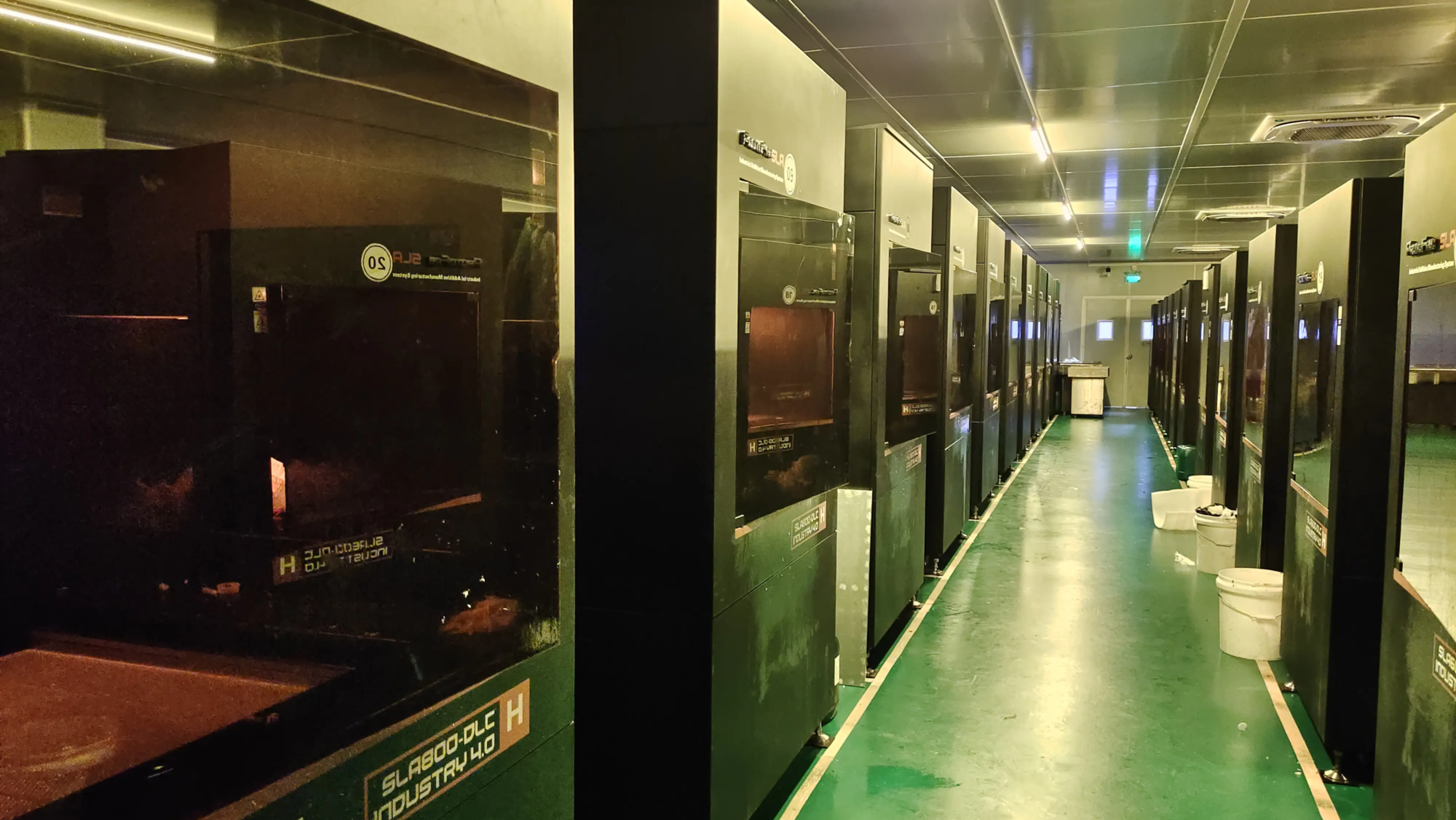
- Resin (SLA/DLP): Unparalleled detail of miniature and complex components. Requires careful handling and post-processing.
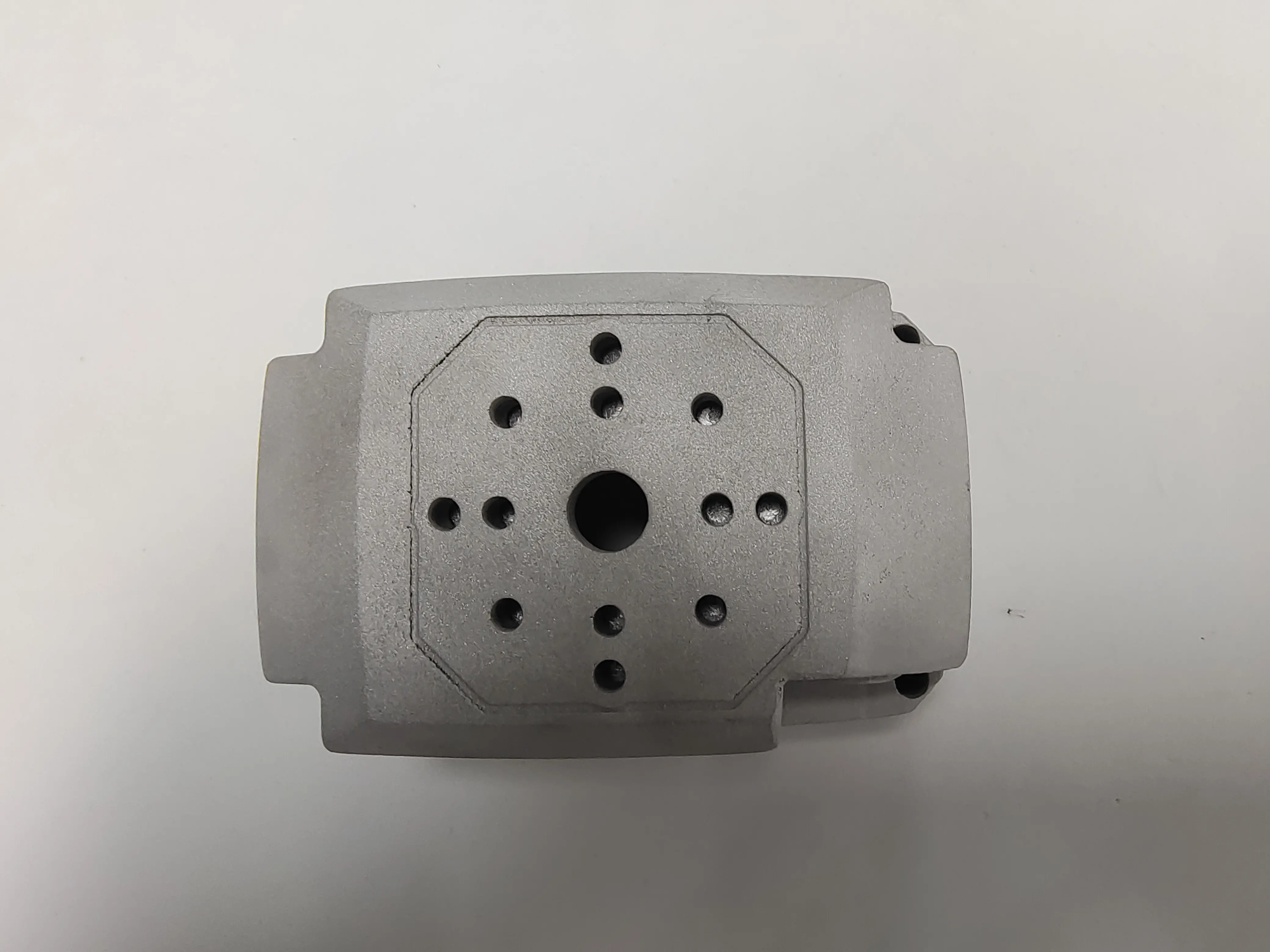
- Metal (SLM/DMLS): This is essential for highly stressed parts (e.g. tiny clamps, gears within mechanisms, durable miniatures), heat-resistant parts, or when ultimate durability and premium feel are critical. Critical for functional prototypes requiring metal-like performance.
- Accuracy and Tolerance: The various pieces must fit together seamlessly within the game system. Moving parts, such as smooth-gliding custom insert trays, require precise tolerances within one hundredth of a millimeter. This is non-negotiable.
- Fidelity: The fine details of miniatures and complex textures require high-resolution printing technologies, such as SLA/DLP printers for plastics or SLM for metals.
- Finishing and post-processing: Parts typically need to be cleaned, supports removed, sanded, primed, and painted (for aesthetics/durability). Metal parts may require polishing, annealing, or plating to achieve specific functional or aesthetic properties.
Turn your vision into reality with a professional prototyping partner:
While hobbyist printers can work wonders, achieving industrial-grade precision, durability, or metal components requires professional prowess. This is where working with a professional rapid prototyping manufacturer fundamentally changes the game.
GreatLight: Your partner for creating precision gaming parts
Developing prototypes or low-volume production of complex, rugged board game components requires advanced technology and deep expertise. This is where Honlait excels. We specialize in solving complex rapid prototyping challenges, especially those that require the unique advantages of metal additive manufacturing.
- Advanced SLM 3D printing: Our selective laser melting printer kit allows us to produce High-strength dense metal parts Directly from your digital design. Think of rugged micro-parts that can withstand drops, complex mechanisms with internal channels, or heat-resistant components.
- Material mastery: We use a variety of materials for rapid prototyping, including Especially metal alloys (such as stainless steel, aluminum, titanium, Inconel, copper, and steel) are critical for functional prototypes that require superior strength, heat resistance, or electrical performance as is common in complex mechanisms or advanced tokens. Plastics and resins are also within our scope.
- One-stop post-processing: We take care of the entire journey. In addition to printing, our services include precision CNC machining to finish critical features, professional sanding, polishing, media blasting, heat treatment (annealing), and professional plating or coating services. Achieve the precise surface finish, dimensional accuracy and functional properties your gaming parts require.
- Customizability and speed: Need a unique metal buckle for your card holder? A prototype iteration of mechanical dice? We specialize in highly customized solutions and deliver them incredibly quickly. Our workflow minimizes the gap from concept to tangible parts.
- Solve practical problems: We tackle tough challenges: replace flimsy plastic joints with metal parts, create miniatures with unprecedented detail and durability (metal inherently offers the potential for sharper detail for complex geometries), develop functional prototypes for entirely new game mechanics, or produce custom organizers that require metal precision fittings.
Process Navigation: How to Print Custom Board Game Parts
- Source or design: Find STL files online that match your needs (free/paid platforms), or commission a custom design using CAD software like Blender or Fusion 360. Focus on geometric strength and required tolerances.
- Material and technology selection: Make your decision based on functionality, durability needs, aesthetics, and budget. In complex/small parts where precision is required, consider using metal (SLM) for ultimate strength, heat resistance or premium feel.
- Select manufacturer: For hobby-grade plastics, a local makerspace or online FDM/SLA service will suffice. For industrial-grade prototypes that require metal precision, durability, and premium finishes, partner with experts like GreatLight.
- Prepare and submit documents: Make sure your STL files are diverse ("water proof"). Provide clear specifications on materials, resolution, critical dimensions/tolerances and required post-processing.
- Review and Production: Discuss iteration and manufacturing capabilities with experts like GreatLight. Once approved, production begins, utilizing technologies such as SLM to achieve superior metal properties.
- Post-processing and finishing: Receive parts ready for assembly and painting (for aesthetics) or use metal parts functionally "At the time of manufacture" If inner strength is needed.
Conclusion: Improve gaming experience
3D printing is more than just a tool for replacing broken parts; This is a paradigm shift for board games. It provides designers with unparalleled creative freedom, enables players to personalize and uniquely enhance their collections, and provides publishers with flexible prototyping tools to refine game elements.
For components requiring the highest precision, strength and durability, especially metal parts for mechanical devices, advanced miniature models or high stress applications, take advantage of advanced prototyping partners such as huge light Ensure professional-grade results. Our expertise in SLM metal printing and comprehensive post-processing effectively transforms CAD files into powerful, high-fidelity gaming components. We solve tough prototyping problems so gamers and creators can focus on what matters most: immersive gaming fun.
Take your board game projects to the next level. Explore the potential of professional rapid prototyping for truly outstanding, tangible gaming experiences.
FAQ: 3D Printed Board Game Components
-
Is it legal to have replacement printed parts in the board game I purchased?
- Generally speaking, printed substitutes for personal use are fair use, especially if the game is no longer in print. However, distributing copies of proprietary designs (even STL re-creations) without permission violates copyright/prototyping. Support the publisher by purchasing official alternatives where available. It’s usually okay to create an original design or modify it for your own copy.
-
What is the best 3D printing technology for board game parts?
- no one is single "best" – It depends on the part:
- FDM (plastic): Best for organizers, tiles, large tokens, dice towers (cost-effective, durable PLA/PETG).
- SLA/DLP (resin): Best for highly detailed miniatures and complex markings that require smooth surfaces (better detail than FDM).
- SLM/DMLS (metal): Best for ultra-durable miniatures, functional components that require strength/heat resistance, complex mechanisms, premium tokens that require the inherent strength and feel of metal, which is critical for complex functional prototypes.
-
Can I 3D print functional mechanisms? (e.g., shuffler, moving gear)?
- Absolutely! Advanced technologies like SLM metal printing excel in this regard. It allows the creation of complex geometries with internal channels and moving components that are not possible with other methods. The precise tolerances achievable with professional SLM printing are critical to smooth operation.
-
How durable are 3D printed parts compared to injection molded parts?
- FDM plastic: Generally less impact-resistant than molded plastic for thin parts, but comparable for larger parts. Choosing the right material can help (PETG > PLA). SLA Resin: Fragile; requires care, but captures detail well. SLM Metal: Offers durability beyond many plastics. Material properties (e.g. aluminum vs. titanium) determine strength/weight. Metal printing provides superior structural integrity for demanding applications requiring longevity.
-
I need metal printed game parts – can GreatLight handle it?
- Yes, that’s exactly it! GreatLight specializes in advanced SLM metal additive manufacturing. We produce strong, precise metal parts, from intricate miniature figures to functional gears and components requiring unparalleled durability or conductivity parameters. Our expertise ensures parts meet tight tolerances and survive the rigors of gaming.
-
How accurate are professional 3D printed parts?
- Resolutions vary: FDM (~0.1-0.2mm range), SLA/DLP (~0.025-0.1mm roughness), SLM metal (~0.02-0.1mm dimensional accuracy). Metal printing inherently enables ultra-fine precision that is critical for complex mechanisms and precise assembly. Specialized services like GreatLight specialize in high-tolerance printing of complex geometries that require reliability, which is especially important for mechanically interactive board game components.
- How much does it cost to professionally 3D print board game parts?
- Costs vary widely based on size, complexity, materials and quantity. Simple plastic storage boxes are economical. Highly detailed resin miniatures cost more. Metal parts (SLM) involve premium materials/machining but provide the unparalleled functionality and longevity necessary for prototypes or premium limited edition products. Contact manufacturers such as GreatLight for a specific quote tailored to the complexity and material requirements of your project.