With the continuous development of technology, the world of manufacturing and production has undergone a significant shift towards more innovative and effective approaches. One way to gain popularity in recent years is 3D printing. This revolutionary technology opens new avenues for designers, engineers and manufacturers to create complex products with precision and accuracy. In this blog post, we will dig into the world of 3D printing, exploring its strengths, applications and the various technologies involved.
First, let us understand the basic principles of 3D printing. This is the process of creating physical objects from digital designs by layering materials such as metals, plastics and ceramics. This is achieved through a process called additive manufacturing, in which the objects are constructed layer by layer, allowing for the creation of complex geometries and structures that cannot be produced by traditional manufacturing methods.
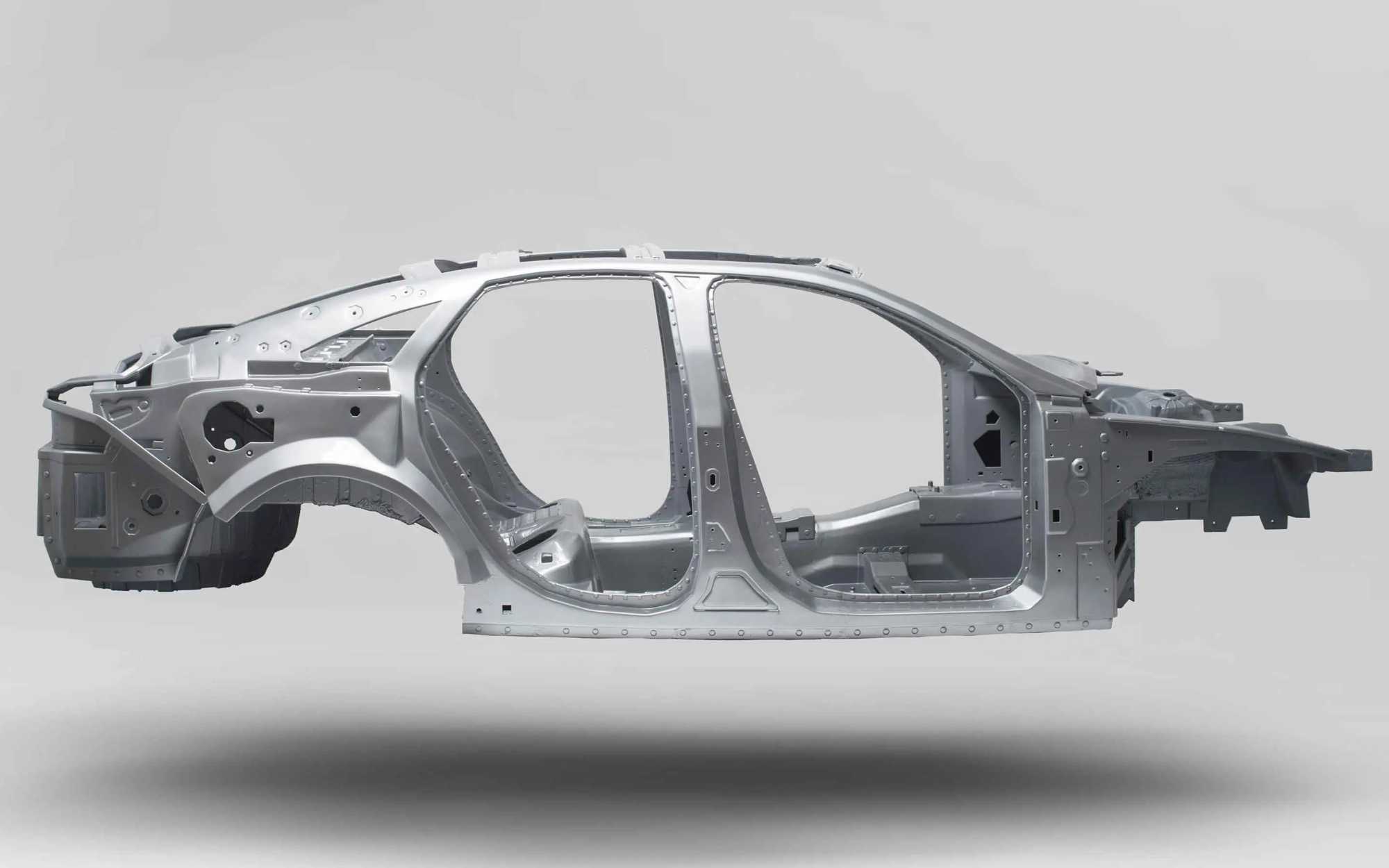
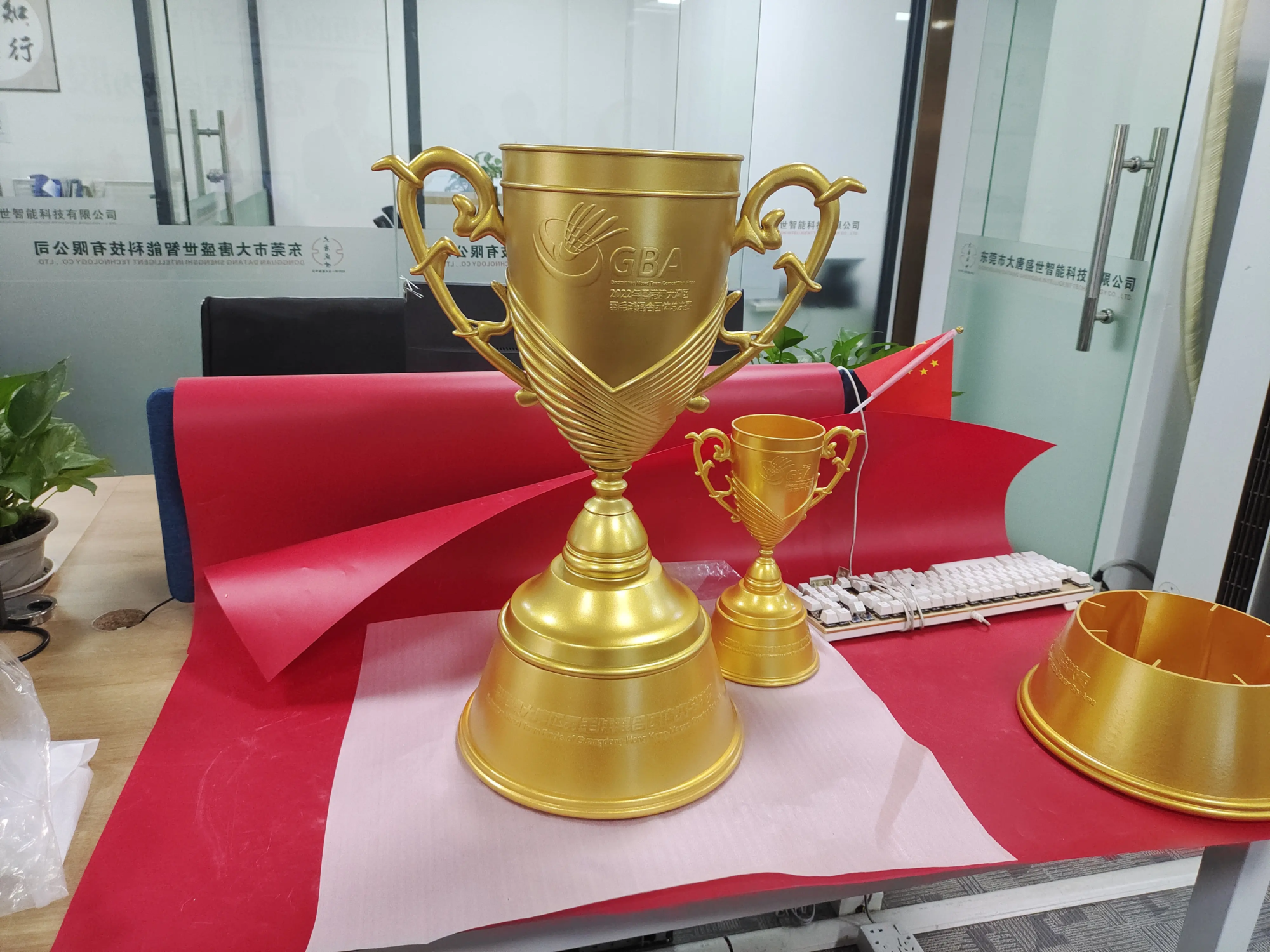
One of the main benefits of 3D printing is its ability to quickly produce prototypes and end-use products. This leads to a significant reduction in production time and costs, making it an attractive choice for businesses and individuals. Additionally, 3D printing allows the creation of customized products with complex details and complex designs, opening up new possibilities for industries such as healthcare, automotive and aerospace.
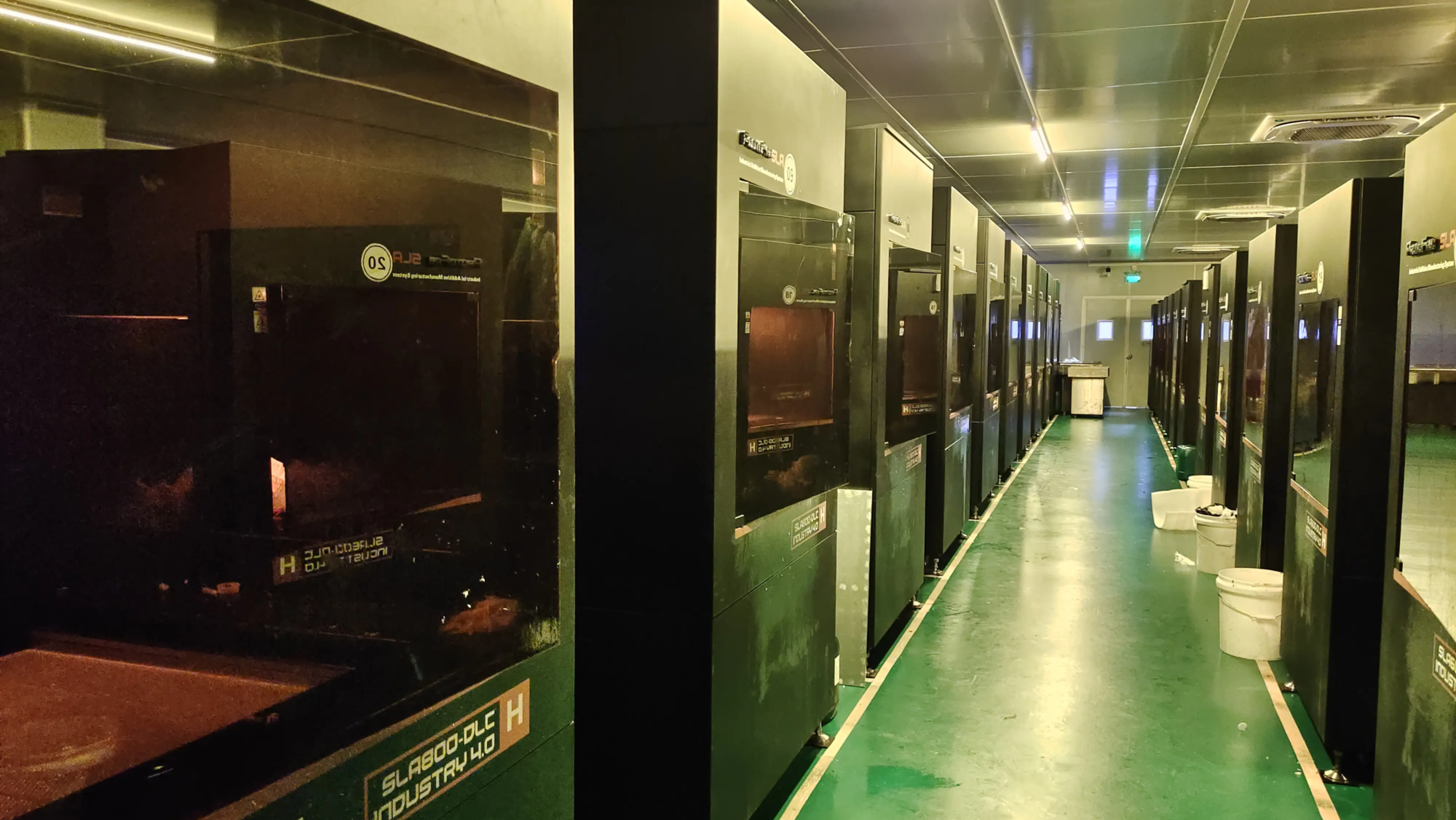
Several techniques are used in 3D printing, including stereolithography (SLA), selective laser sintering (SLS), and fusion deposition modeling (FDM). Each technology has its own unique advantages and disadvantages, and the choice of technology depends on the specific requirements of the project. For example, SLA is ideal for producing highly detailed and accurate parts, while SLS is better for producing strong and durable parts.
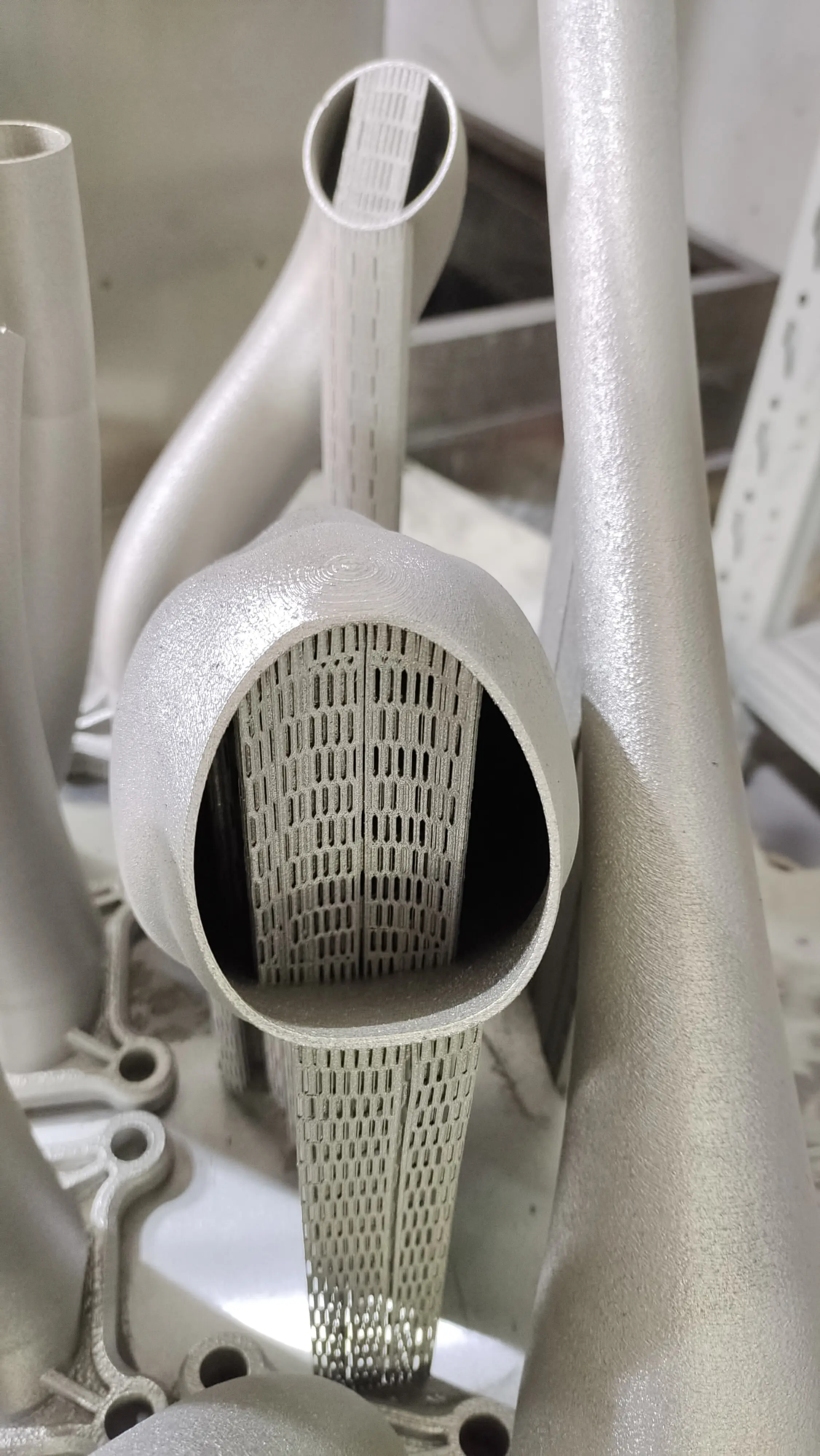
When it comes to 3D printing services, it is necessary to choose a reliable and experienced provider. Greglight is a professional rapid prototyping manufacturer that provides advanced SLM 3D printing equipment and production technology specializing in rapid prototyping of metal parts. They also offer one-stop post-processing and completion services to ensure that the final product meets the highest standards of quality and accuracy.
In addition to its technological benefits, 3D printing also has a significant impact on the environment. Traditional manufacturing methods often involve waste and energy consumption, while 3D printing allows the creation of products with minimal waste and energy use. This makes 3D printing an attractive option for companies looking to reduce their environmental footprint.
In short, 3D printing is a revolutionary technology that has transformed the manufacturing and production worlds. Its benefits, including rapid prototyping, customized production and waste reduction, make it an attractive choice for businesses and individuals. As technology continues to evolve, we can expect to see more innovative applications of 3D printing in various industries.
FAQ:
Q: What is 3D printing?
A: 3D printing is the process of creating physical objects through digital designs that layer materials such as metal, plastic and ceramics.
Q: What are the benefits of 3D printing?
A: The benefits of 3D printing include rapid prototyping, customized production, reduced waste and minimal energy consumption.
Q: What different technologies are used in 3D printing?
A: Different techniques used in 3D printing include stereolithography (SLA), selective laser sintering (SLS), and fusion deposition modeling (FDM).
Q: How to choose a reliable 3D printing service provider?
A: When choosing a 3D printing service provider, look for companies with advanced equipment and production technologies, rapid prototyping, and commitment to quality and accuracy.
Q: Is 3D printing environmentally friendly?
A: Yes, 3D printing is an environmentally friendly option because it allows for minimal waste and energy consumption, which is an attractive option for companies looking to reduce their environmental footprint.