Innovate flashlight manufacturing with advanced 3D printing
The unremarkable flashlight has evolved from basic utility to sophisticated equipment suitable for a wide range of applications – from tactical military uses to outdoor adventures and technical inspections. For manufacturers seeking breakthrough design or rapid product iteration, especially 3D printing Selective laser melting (SLM)what is being redefined. At Greatlight, we specifically turn ambitious concepts into perfect metal prototypes, pushing the boundaries of precision, speed and performance.
Why 3D printing a flashlight?
Traditional manufacturing methods such as CNC machining or injection molding impose limitations on design complexity, materials and lead time. 3D printing eliminates these obstacles:
- Free design: Create internal cooling channels, ergonomic grips or impossible integrated mounts with traditional techniques.
- Excellent substance: Use aviation grade metals such as aluminum, titanium or stainless steel for heat dissipation, durability and weight optimization.
- Market speed: Prototypes for days rather than weeks – ideal for performance verification or crowdfunding presentations.
SLM process: Accuracy meets durability
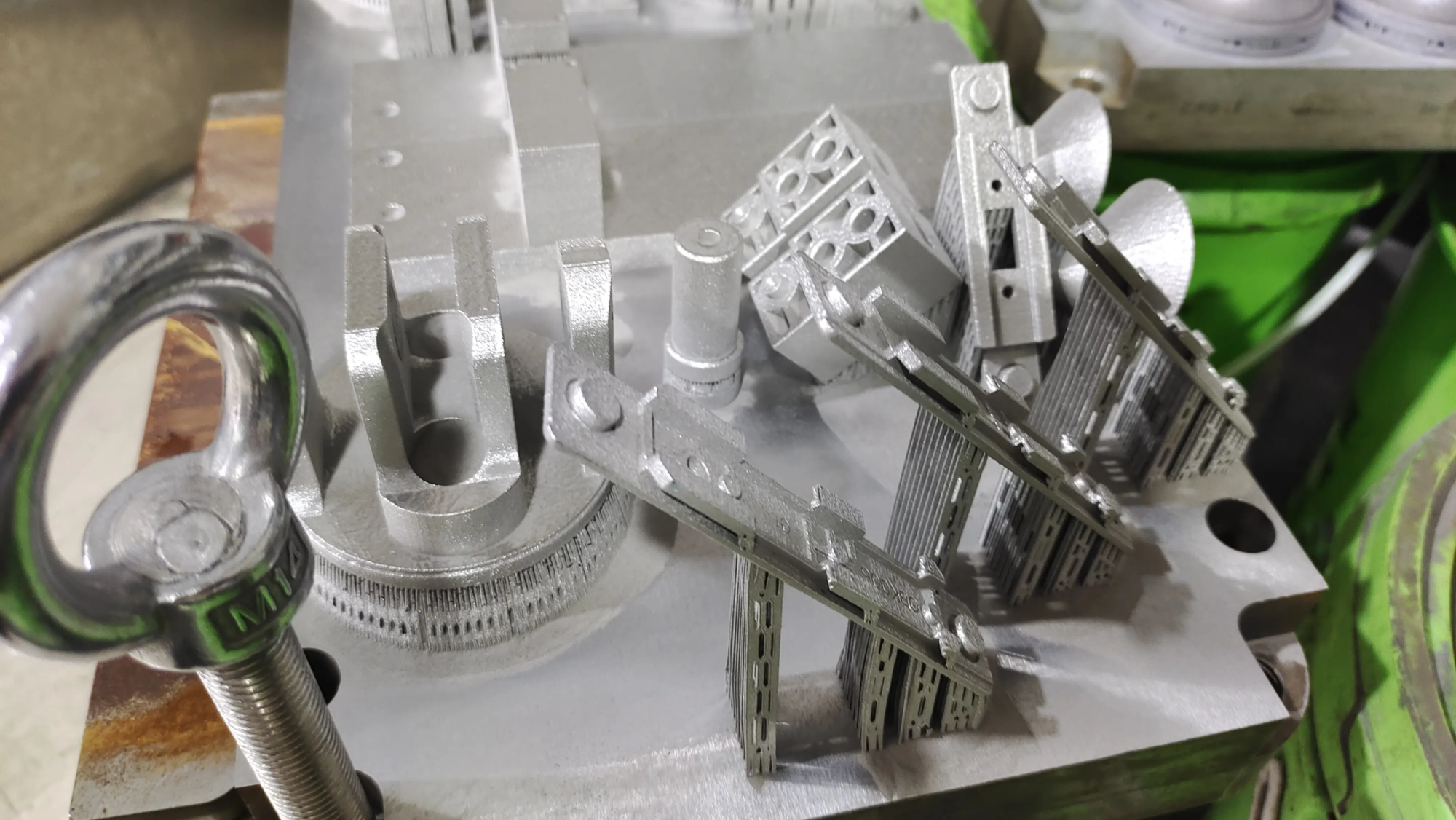
At Greatlight, our advanced SLM printers use high-power lasers to fuse quality metal powders. This ensures:
- Structural integrity: Fully dense parts with mechanical properties are comparable to forged metals.
- Micro-detailed accuracy: Tolerances are achieved for battery chamber, threads and ±0.1 mm of radiator.
- Thermal management: Designed lattice and conformal channels to effectively dissipate heat in high-power LED units.
Key design considerations for 3D printing flashlights
- Heat dissipation:
Integrate lattice structure or helical cooling paths to prevent overheating during prolonged use. - Weight optimization:
Generative design algorithms can generate lightweight load-bearing geometry through milling. - Waterproof/dust-proof:
Design a seamless fence with internal O-ring grooves to match IP68. - Ergonomics:
Curved grips and textured surfaces enhance usability under extreme conditions.
Our end-to-end workflow at Greatlight
- consult: We collaborate on material selection (e.g., ALSI10MG for lightweight strength, Ti6Al4v for corrosion resistance).
- SLM Printing: The layer thickness is reduced to 30μm, ensuring surface smoothness and dimensional accuracy.
- Post-processing:
- Heat treatment: Stability of stress relief.
- Processing: Precision threads and interfaces.
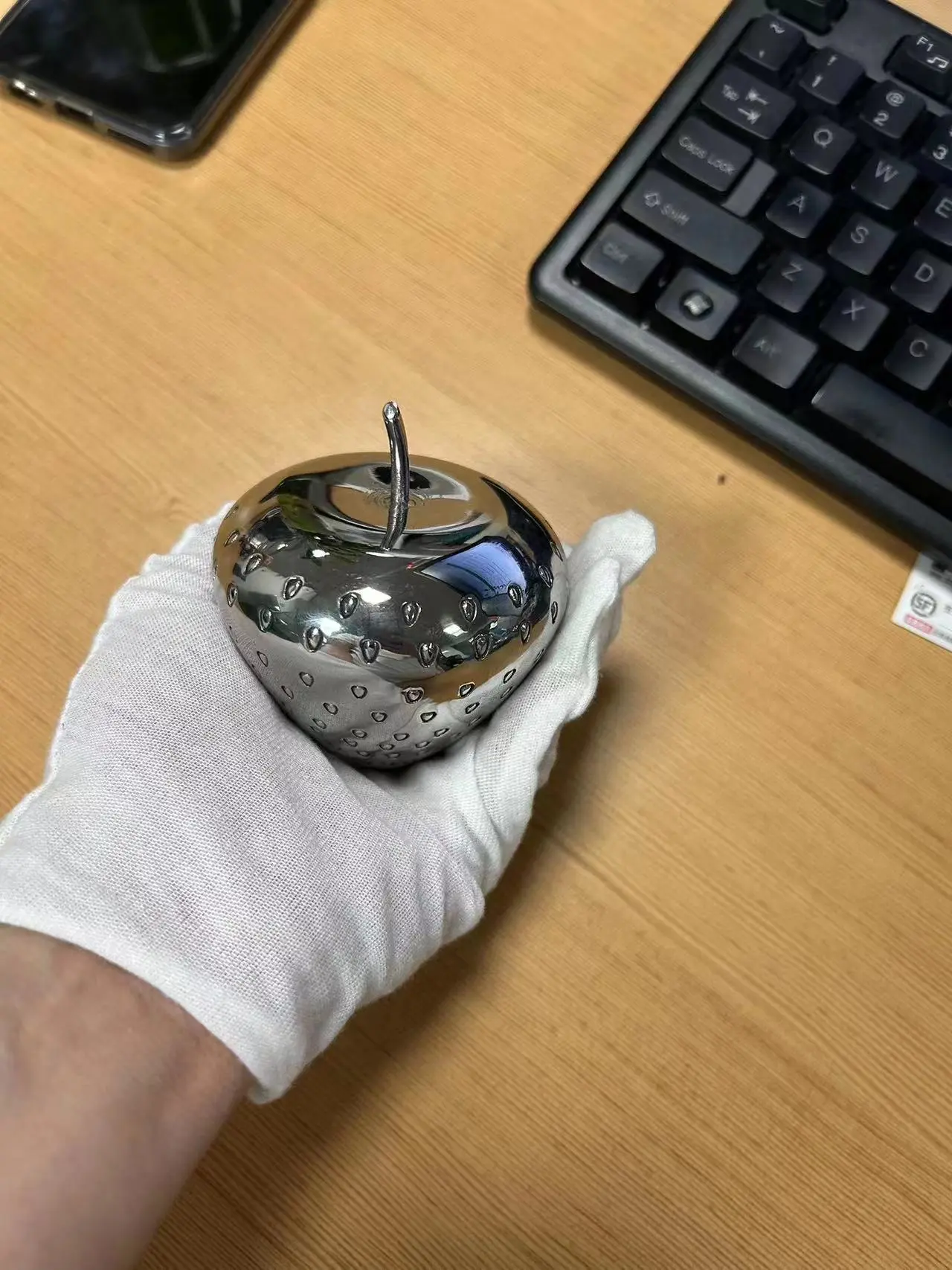
- Surface finish: Bead blasting, anodizing or polishing for aesthetics and durability.
- quality assurance: CT scans and stress tests verify waterproofing and structural performance.
Case Study: Tactical Flashlight Redefinition
One customer approaches us to need military-grade flashlights, weight reduction, passive cooling and night vision compatibility. Using SLM-printed titanium, we embedded the internal heat exchange channel, reduced 34% weight and achieved MIL-STD-810G compliance. From design to delivery: 11 days.
Why Greatlight leads in rapid prototypes
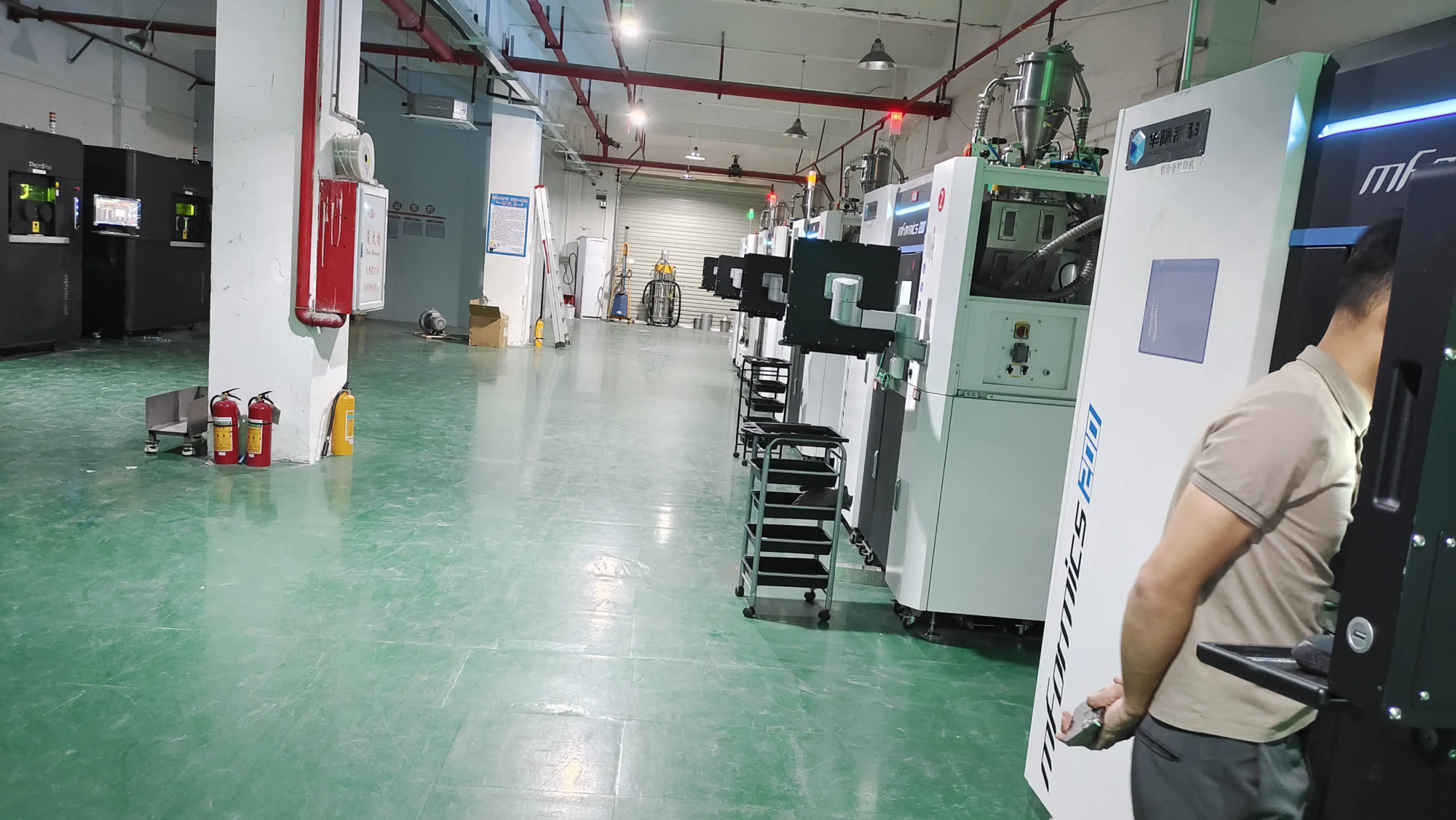
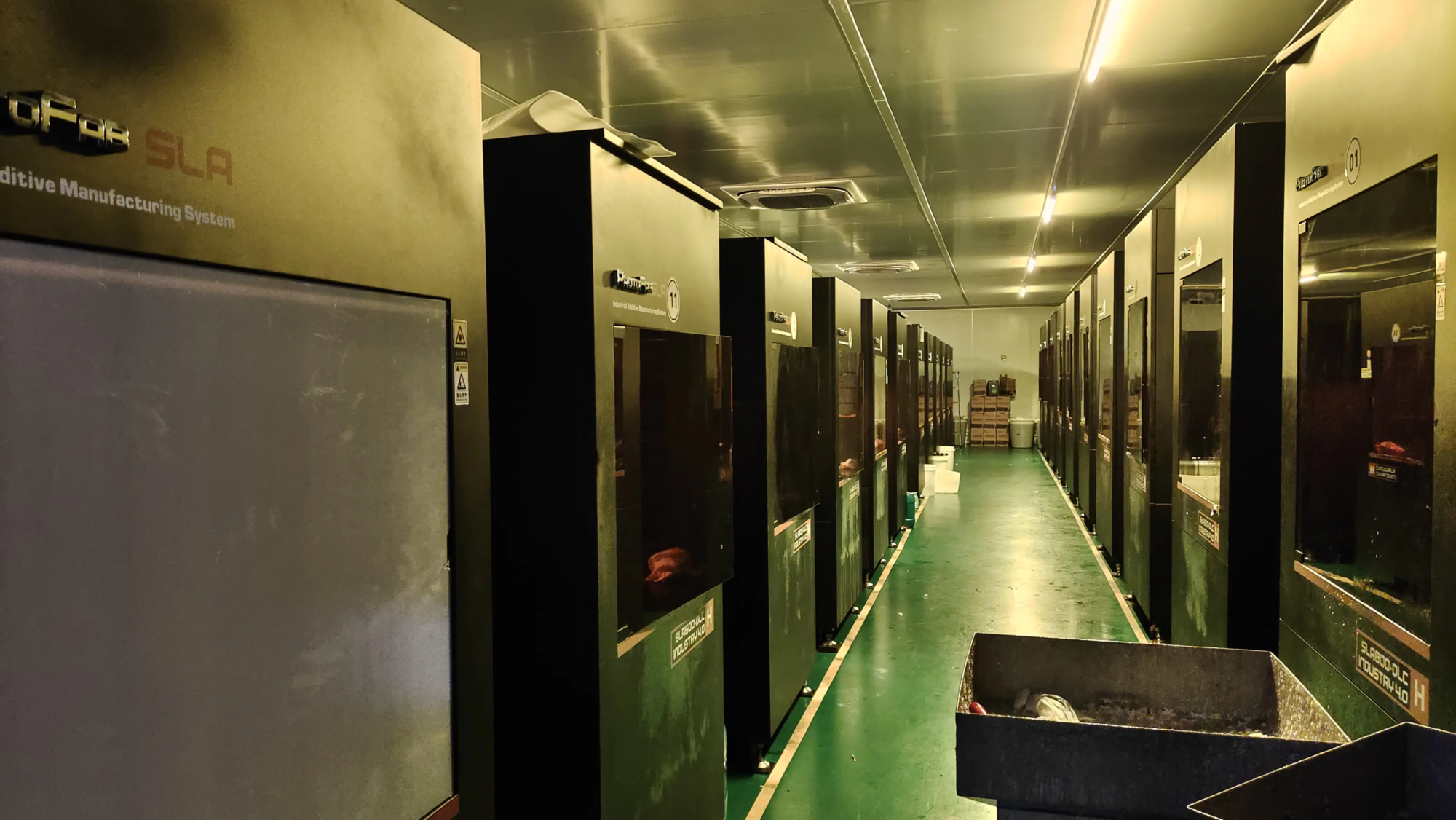
- Cutting-edge SLM ecosystem: Industrial-grade printers can process up to 500×280×350 mm.
- Material versatility: Stainless steel, tool steel, Inconel®, copper and custom alloys.
- One-stop post-processing: From disassembly to PVD coating – all under one roof.
- Speed and scalability: Prototype stimulation within 48 hours; seamless transition to production batches.
in conclusion
3D printing is not only an alternative to traditional manufacturing, but also a paradigm demonstration that gives innovators the ability to build lighter, stronger and smarter flashlights. Greatlight combines engineering expertise with SLM proficiency to transform visionary design into a ready-made product. Whether you are iterating consumer models or lighting tools for engineering-critical tasks, our end-to-end solutions ensure unparalleled accuracy, speed, and reliability.
Ready to clarify the future? Work with Greatlight – Light encounters originality.
FAQ
Q1: Can SLM-printed flashlights handle high-temperature LEDs?
Absolutely. Metals such as copper or aluminum alloys are 40% higher than polymers. We optimize the internal geometry to prevent popular throttling.
Q2: What is the delivery time for a custom prototype?
Simple designs are shipped within 3-5 days; complex construction takes 7-10 days. An expedited selection is available.
Q3: Are 3D printed parts as durable as machined parts?
Yes. SLM produces nearly 100% density parts with tensile strength exceeding cast metal. Post-treatment enhances fatigue resistance.
Question 4: Can you copy threaded parts from the lens cover or battery case?
We achieve M12×1 threads or finer threads through precise post-machining to ensure leak-proof components.
Q5: Which file format do you accept?
Steps, Iges or STL. Our engineers reviewed the printability design and proposed optimizations.
Question 6: Is SLM feasible quality production feasible?
SLM is cost-competitive for batches of less than 1,000 units. We offset the cost per generation of heights by eliminating tool fees and enabling part merging.
Question 7: How to ensure waterproofing?
We use sealed SLM printing in conjunction with a sealed surface established by CNC, with stress tests up to 5 atm per unit.
Transform your flashlight vision into reality. Contact Greatlight now for a quote about state-of-the-art 3D printing prototypes.