Transforming Interior Spaces: The Revolution of 3D Wall Art Prints
Imagine walking into a space where the walls are not just flat canvases of color, but intricate tapestry of dramatic light, shadow and texture. That’s the magic of modern 3D wall art. Unlike traditional prints or paintings, these works introduce dimensionality, transforming interior spaces into immersive environments that embody sophistication and innovation. 3D printed wall art emerges at the intersection of art and technology, utilizing advanced manufacturing techniques to transform abstract concepts and stunning designs into tangible installations.
Beyond flat surfaces: why choose 3D printed wall art?
Where traditional decor is bland (literally), 3D wall art adds depth. It manipulates light in unique ways, creating dynamic interplay depending on viewing angle and time of day. Whether imitating organic forms such as waves or forests, or displaying complex geometric patterns, these pieces evoke emotion through form. Architects and interior designers are increasingly favoring them because they solve a core challenge: injecting personality into sterile spaces. For homeowners and businesses, they are an investment in a bespoke ambience, ranging from tranquility to futuristic ambience through unparalleled personalization.
The Creation Engine: How It’s Made
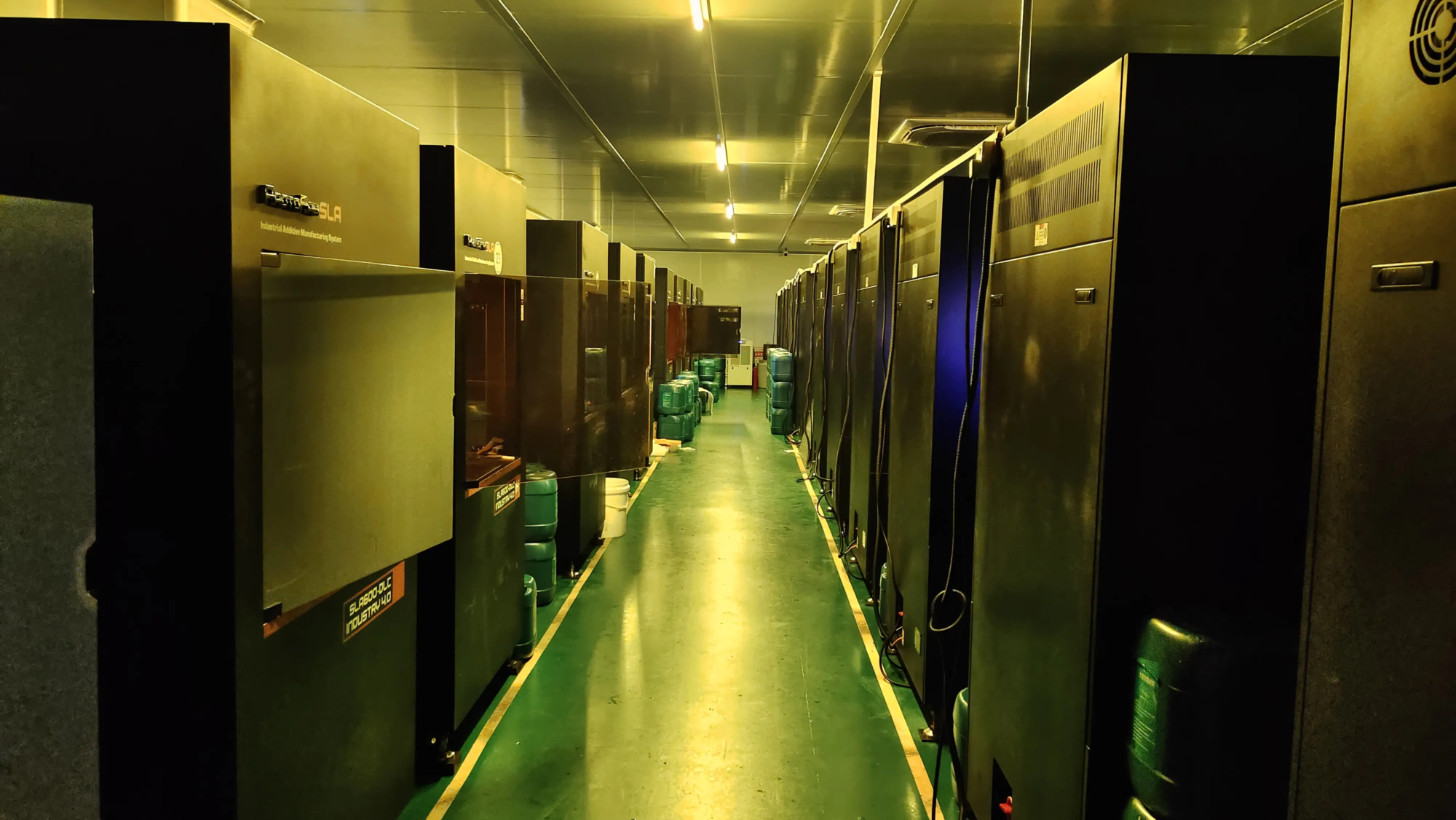
3D printing, or additive manufacturing (AM), builds designs layer by layer directly from digital files, eliminating the limitations of traditional engraving or mold making. For wall art, this can be unlocked:
- Metal Mastery: Using Selective Laser Melting (SLM), high-power lasers selectively melt metal powders (stainless steel, titanium, aluminum) into precise, complex geometries. SLM is ideal for complex patterns that require structural durability and a smooth finish. Metal offers timeless elegance while resisting wear and tear.
- Material flexibility: In addition to metals, materials such as strong polymers or ceramics enable translucency, vibrant color saturation or lightweight designs.
- Design freedom: Impossible undercut? Microtexture? Fluids, flowing shapes? AM handles them perfectly. Digital modeling software allows artists to push boundaries without compromising production.
Why work with a rapid prototyping expert?
Not all printers are created equal. Creating gallery-worthy wall art requires:
- Precision Engineering: The combination of art and machinery. Layer resolution (down to microns), dimensional accuracy and support structure strategy influence visual harmony and durability.
- Post-integration processing: The original print needs improvement. Professional services such as polishing, powder coating, rusting or anodizing can enhance aesthetics and prevent corrosion and scratches.
- Materials expertise: Choosing the right alloy or polymer affects aesthetics, weight, installation feasibility and service life. ULDF_Advanced_Materials_Cost Analysis ensures a balance between effectiveness and cost.
- Scale efficiency: From small decorative panels to large feature walls, they have the tools to scale quickly and turn around on the West Coast without quality variation.
company likes huge light reflects this rigor. They utilize industrial-grade SLM printers and multi-stage finishing lines to transform clients’ visions into measurable impactful assets. Their expertise in metal prototyping ensures that the artwork is more than just a beautiful rendering of the artwork: it is resilient.
Designing Your Vision: Secrets to Success
Effective collaboration ensures your work resonates:
- Visualization: Collect inspirational images, or specify a theme/texture. Mood boards help coordinate artistic interpretations.
- Optimize files: Use printable formats (STL, OBJ). Solution: What feels like a texture on the screen must be physically transformed – verification tools can help with this.
- Dimensions and installation: Consider the wall size and structural load that the mounting hardware is integrated into. Lightweight options exist for partitions as opposed to concrete.
- Completion strategy: Discuss completion goals during the design process. Brushed metal? Highlights? Oiled bronze? This affects print orientation and subsequent steps such as machining contact point precoating.
Value Proposition: Benefits Beyond Aesthetics
- Ultra-customized: Truly personalized art reflects a brand, like a corporate logo_iPhone_travel assistant, personal passion, on a scale from microns to metres.
- Durability: High-quality metal prints can withstand UV exposure, humidity changes, and cleaning with minimal degradation.
- Sustainable production: Additive manufacturing builds objects additively—with less waste than milling blocks of material