Bringing Tony Stark’s vision to life: The ultimate guide to metal 3D printed arc reactors
Imagine holding the pulsating heart of the Iron Man suit in your hands – a glittering, complex arc reactor, the power of radiation and futurism. What once was pure cinematic fantasy could be realized, thanks to advanced metal 3D printing. Creating this miracle is more than just a simple print job; it is a feat of precision engineering, with cutting-edge technology in line with ambitious artistry. Let’s dive into how this iconic symbol becomes a tangible reality, and how professional rapid prototyping services can transform digital design into a shocking metal masterpiece.
Arc Reactor Challenge: More than Just Meeting the Eyes
On the surface, the arc reactor seems simple: a concentric ring, a radiation line and a center of luminescence. But to really copy it requires:
- Micro: Thin-walled, delicate filament patterns and nested components require micron-level precision.
- Structural integrity: Parts must withstand treatment without twisting or breaking, especially for wearable replicas.
- Optical Perfect: Perfect surfaces and details are essential to signature aesthetics. Integrated LED lighting requires internal channels.
- Material authenticity: Only metals can provide weight, reflectivity, thermal stability (for electronics) and real "Stark Industry" Feel. Plastics simply cannot be compared.
Why SLM metal 3D printing is the perfect solution
When complex geometric shapes are processed with harsh material properties, Selective laser melting (SLM) Not only is it an option; it is the gold standard. Why:
- Unparalleled complexity: SLM builds parts layer by layer, fusing fine metal powder with high power lasers. This allows it to create the necessary voids for complex internal structures and wiring paths and perform LED integration within the ARC reactor body, which traditional processing will destroy.
- Excellent material selection: A range of high-performance metals are available:
- Stainless Steel (316L): Cost-effective, strong, corrosion-resistant, perfect for displaying works.
- Aluminum alloy (e.g., Alsi10mg): Lightweight but robust, perfect for wearable reactors.
- Titanium (Ti6al4v): Advanced Choice – Extremely powerful, lightweight, biocompatible and corrosion-resistant.
- Copper alloy: Special thermal and electrical conductivity for advanced functional prototypes.
- Strength and density: SLM produces mechanical properties close to or exceed castings, sometimes forged materials, and is essential for durable artifacts.
Journey: From CAD to Shining Reality
Creating a stellar arc reactor through SLM is not a button. Here is a carefully managed orchestration:
-
Design of Additive Manufacturing (DFAM): This is very important. The CAD model must be optimized for metal printing:
- The hollow portion of the LED/wire and the internal channel must be incorporated.
- The support structure must be strategically placed in the overhang, but designed for ease of removal.
- Wall thickness must ensure printability without thermal distortion.
- Professional partners will iterate with you to transform the concept into a printer-ready miracle.
-
SLM Printing – The core of creation: High-precision SLM printers carefully construct layer by layer reactor under inert gas. The laser selectively melts the metal powder bed, fusing to the previous layer with incredible accuracy. Gremplay utilizes state-of-the-art SLM equipment to ensure dimensional stability and minimize residual stress.
- Post-processing: Where magic really happens: The original 3D printing is not ready for the camera. This stage defines the final quality:
- Support removal: Support the support carefully without damaging the delicate features.
- Relieve stress: Heat treatment is used to eliminate internal stresses caused during printing.
- Surface reinforcement: Option ranges come from:
- Grinding/Capture: Dimensional accuracy.
- Bead Explosion: For uniform matte texture.
- Highly polished: Achieve mirror brilliance similar to chrome plating.
- electricity: The microscopic layer is removed for final smoothness.
- Plating/coating: Apply nickel, gold or other finishes for authenticity and protection.
- Electronic integration: Precisely processed mounting points, drilling conduits and professionally installed this true luminous LED and power system. This step only requires expert processing to achieve the exact tolerance.
Why collaborate with your ARC reactor project?
Changes to ARC reactor vision requires essential printing services outside of partners. As your advanced manufacturing ally, Greatmixh steps:
- Expertise in complex metal printing: A deep understanding of SLM nuances of complex parts such as arc reactors ensures productivity in the first design consultation.
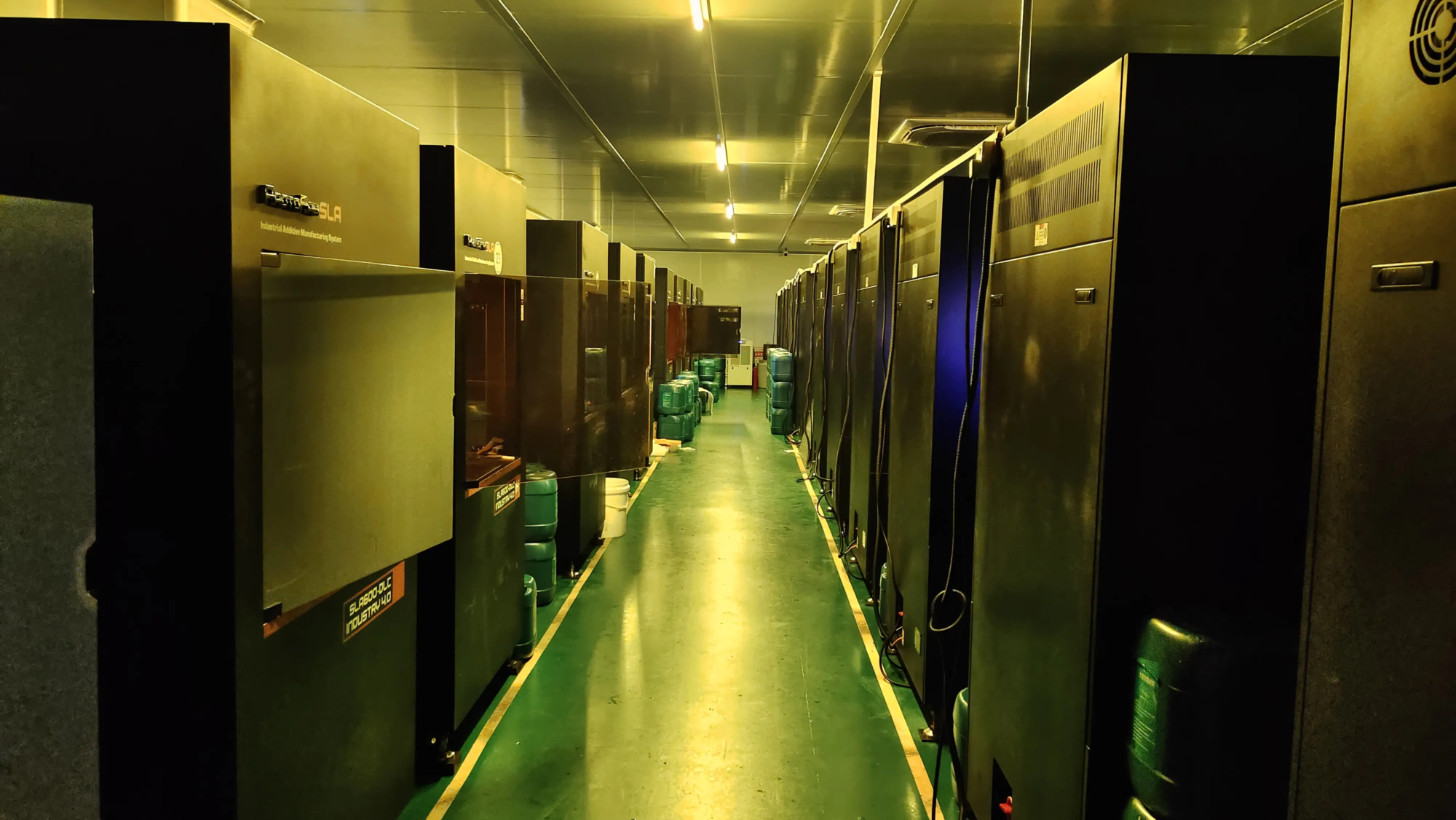
- Industrial SLM Arsenal: Access to cutting-edge printers ensures the accuracy, repeatability and speed of complex builds.
- One-stop post-processing proficiency: With full internal features for heat treatment, precise machining of critical interfaces, and a wide variety of finishing options in a facility – no subcontracting delays.
- Fast, customized material solutions: Flexibility, can quickly deal with demand in metals from stainless steel to titanium.
- Engineering solutions, not just printing: Professional problem solving for technical barriers – optimized functional design (optical integration, wearable capability) and manufacturing.
- Quality focus: Dedicated to delivering flawless, high-precision final products worthy of Stark’s legacy.
in conclusion
3D printed metal arc reactors are no longer the field of pure novels or hard manual craftsmanship. It represents the pinnacle of modern rapid prototyping, mixing intricate designs with revolutionary features of SLM metal additive manufacturing and delicate finishes. While technically demanding, working with expert rapid prototyping services like Greatlight, equipped with advanced metal printing technology and comprehensive post-processing mastery – turning this ambitious project from a dream to a dazzling reality. Only professional metal 3D printing can provide the precise weight, sheen, intricate details and functional glory of Tony Stark creations. Bring your innovative vision into life and be ignited.
FAQ: Your 3D printing question for Metal Arc Reactor has been answered
Q: Can I 3D print a metal arc reactor at home?
A: Actually, no. Desktop FDM/resin printers create plastic models. True metal printing, especially SLM, requires industrial grade equipment for hundreds of thousands of dollars, controlled environments (inert gas), professional engineering expertise and important safety protocols. Professional services like Greatlight provide the necessary features.
Q: Which metals are best for arc reactor printing?
A: The best choice depends on priorities:
- Cost and power: 316L stainless steel.
- Lightweight and power: Aluminum alloy (such as Alsi10mg).
- High-quality and lightweight strength and biocompatibility: Titanium (TI6AL4V) – Ideal for wearable devices.
- Conductivity (for functional heating/electronic devices): Copper alloy. Greglime can advise on your specific project needs.
Q: How long does it take to complete the metal arc reactor?
A: Schedule varies greatly depending on size, complexity, material and finish:
- print: For highly complex/reactors, it can range from a few hours to a day.
- Post-processing: This is usually a longer stage – support removal, heat treatment, detailed surface finishes (polishing, plating) and electronic integration can take several days to a week or more. From design approval to final delivery, it is expected to exceed 2-6 weeks depending on the scope of the project. Greatlight is designed to effectively manage these workflows.
Q: Can the printed arc reactor really light up?
Answer: Absolutely! Part of the manufacturability process of professional design includes the necessary internal channels and internal channels and cavity for LED strips, wiring harnesses and power supplies such as coin units or USB. Greatlight’s post-processing involves machining precise openings and can assist component integration.
Q: How strong and durable are 3D printed metal arc reactors?
A: SLM parts made of metals such as stainless steel, aluminum or titanium are very durable. They have high density and tensile strength comparable to cast or forged materials. Post-treatment (especially heat treatment) further enhances mechanical properties. Well-made metal arc reactors are enough for careful handling and display, and the titanium version is enough for durable role-playing.
Q: Can designs and materials be customized?
Answer: Yes! This is a key advantage of professional rapid prototyping. Working with Greatlime, you can:
- Create tailor-made designs (size adaptations, unique details, installation solutions).
- Choose from a variety of materials based on aesthetics, weight, strength or conductivity.
- Choose a specific premium finish (e.g., high gold plating, custom anodizing). Greatlight welcomes fully customized projects.