Hydrofoils: Evolving to peak performance through 3D printing
Hydrofoils—ingenious underwater structures that lift boats using friction on the surface of the water—are undergoing a paradigm shift. Traditional manufacturing methods, limited by expensive tooling and limited geometric flexibility, face challenges in optimizing these components for efficiency and durability. Additive Manufacturing: The disruptive force driving breakthrough advances in hydrofoil technology. Through rapid prototyping and advanced metal 3D printing, engineers are now reaching beyond traditional boundaries to achieve precision that accelerates innovation and maximizes fluid dynamics performance.
Three revolutionary 3D printing breakthroughs in hydrofoil design
1. Topology optimized lattice structure
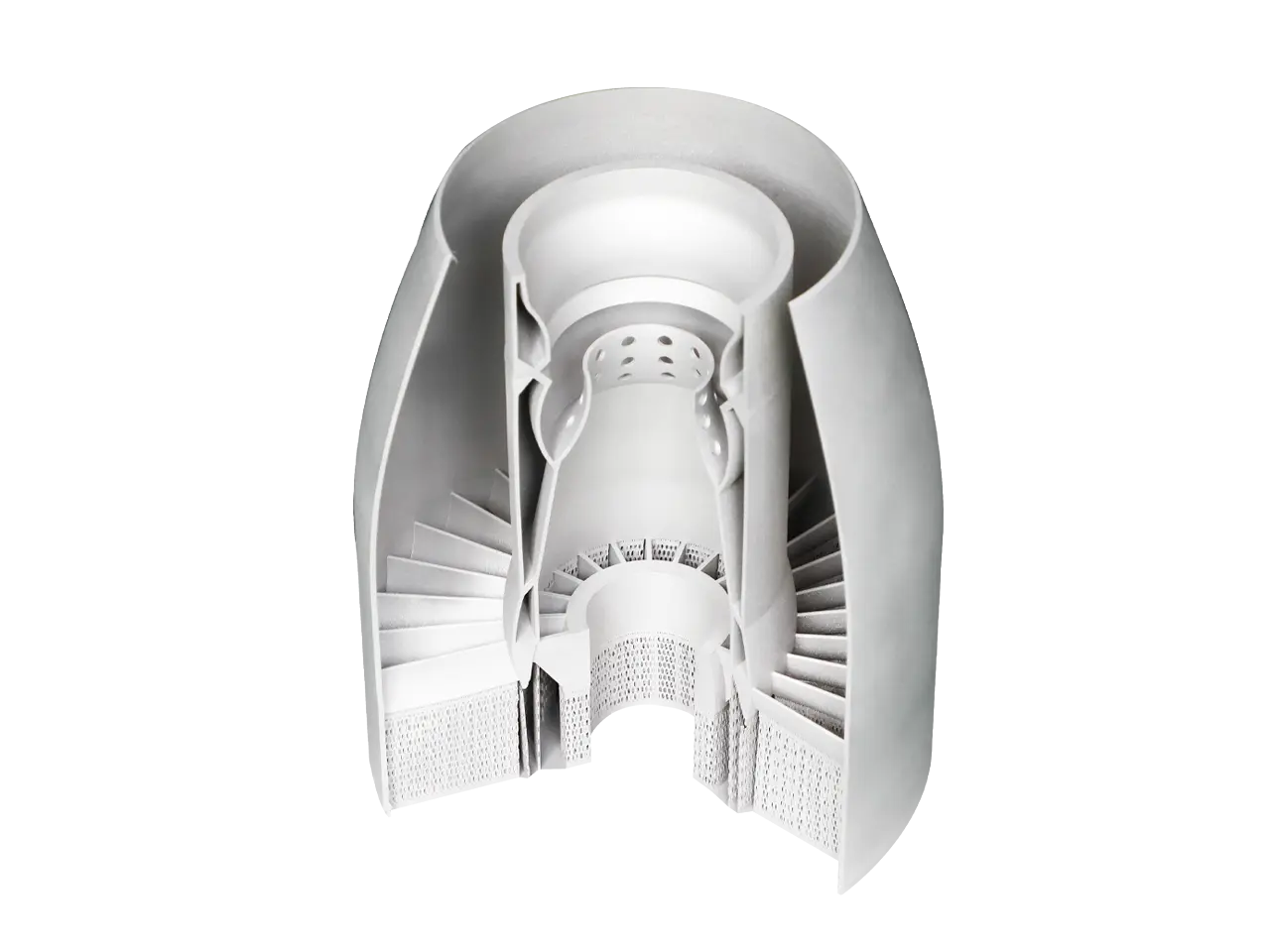
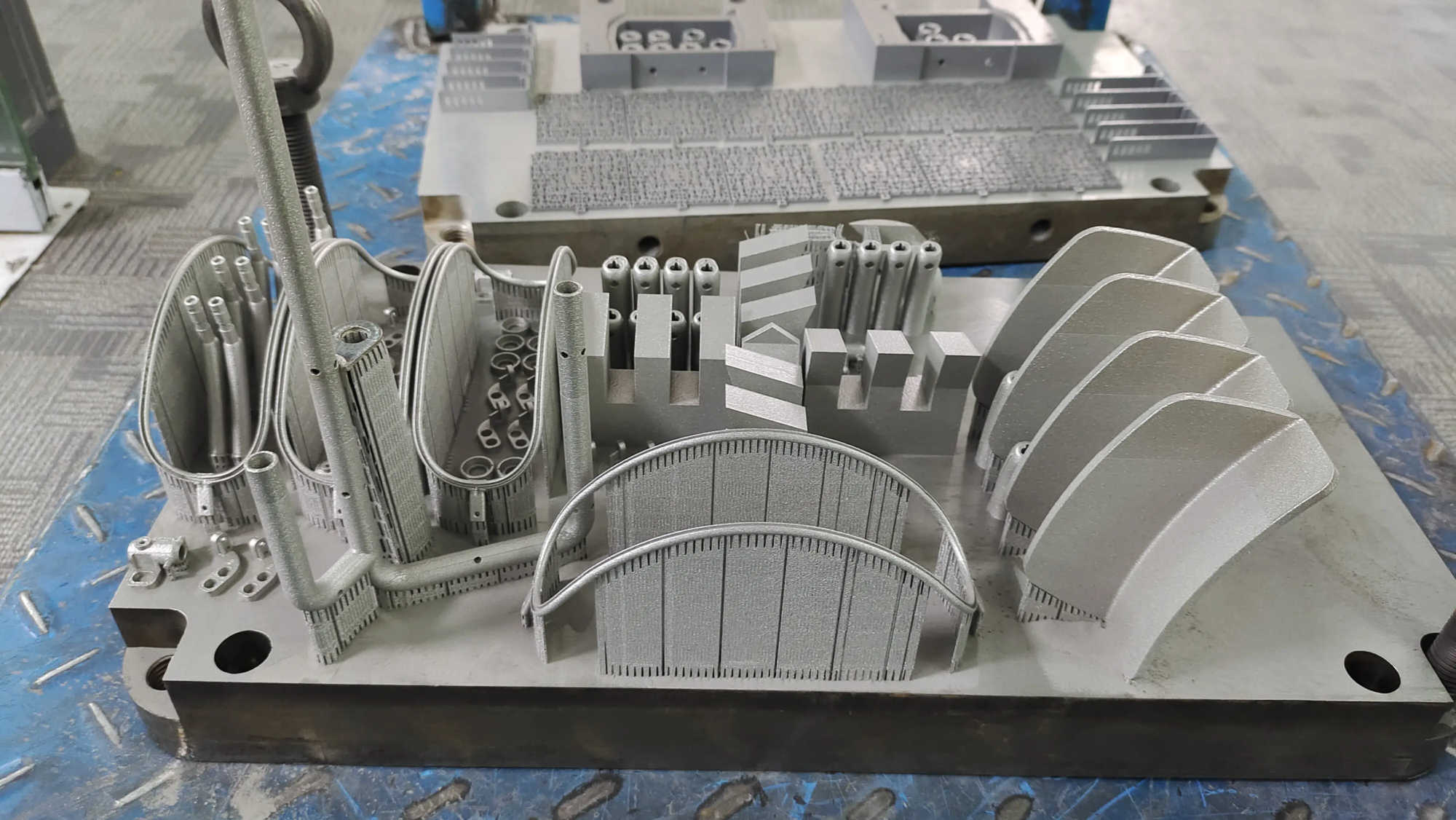
Cutting-edge generative design software uses artificial intelligence-driven algorithms to map the distribution of materials on foils. This identifies areas that require stiffness, flexibility or weight reduction. SLM (Selective Laser Melting) 3D printers turn these designs into reality, forging complex lattice structures that cannot be milled by traditional means. For example, foils embedded in an internal hexagonal lattice can reduce weight by up to 40% compared to their solid counterparts, while maintaining structural integrity under extreme torsional loads, a feat that has been proven in competitive sailing.
2. Embedded sensors and fluid channels
3D printing enables dual-function hydrofoils designed from the inside out. During the manufacturing process, hollow channels are integrated for coolant circulation to combat cavitation erosion in high-speed environments. At the same time, a piezoelectric sensor is embedded in the cavity to monitor stress accumulation in real time. One case study involves a Navy prototype that delivers data via microelectronics printing within The foil’s stainless steel base enables predictive maintenance and reduces the risk of failure. These features elevate the hydrofoil from a static component to an AI-responsive component "Intelligent system."
3. Rapid customization for ultra-specific applications
Mass production enables universal foils; additive manufacturing unlocks customized solutions. For example, GreatLight works with windsurfing manufacturers to customize foils based on athlete weight, sailing position and wave dynamics. Prototype, test, CNC machine and validate customizations such as variable dihedral angles, tip geometries or corrosion-resistant titanium coatings in under 72 hours using precision SLM equipment. For elite sailing racing, which requires absolute harmony between hydrodynamic lift and stability parameters, this agility revolutionizes the synergy between athlete and machine.
Why these breakthroughs matter
The triple action of large-scale optimization, feature integration and custom scalability transforms hydrofoils into optimal performance assets. Beyond sports, applications extend to transport efficiency (reducing ships’ carbon footprint), defense sector agility and renewable energy converters. This advancement also democratizes access: Computational tools used in topology optimization, once reserved for the biggest budgets, are now integrated with affordable prototyping solutions, allowing startups to compete with industry giants.
The role of expert manufacturing partners
Scaling prototypes to production-grade components requires expert oversight—exactly what partners love huge light Provide end-to-end excellence. With enterprise-class SLM printers and certified materials (titanium, aluminum, advanced alloys), GreatLight solves the following key challenges:
- accurate: Manufacture foil geometries within ±15μm tolerance accuracy.
- Certified post-processing: Heat treatment, stress relief annealing, CNC honing, hydrodynamic smoothing.
- speed: Mainstream fast concept-to-installation timelines—days instead of months.
From computationally optimized foils to sensor-integrated smart surfaces, GreatLight’s sophisticated technology advances metal prototypes from niche experiments to mainstream marine industry solutions.
Conclusion: The future of mobility
Hydrofoil designs will continue to evolve towards lighter, stronger and autonomously resilient systems. Additive manufacturing, powered by sophisticated karat metal prototyping technology, is the backbone of this revolution. Whether to work hard