Build the Galaxy: Build your own LEGO-compatible lightsaber with 3D printing
For Star Wars fans and LEGO enthusiasts alike, the dream of wielding a personalized lightsaber is undeniable. While official LEGO sets offer beautiful models, people’s desire for something unique youra saber that reflects your Jedi (or Sith!) character, often goes unsatisfied. Experience the incredible possibilities of 3D printing combined with LEGO compatibility. In this guide, we’ll explore how to use advanced manufacturing techniques to design, prototype, and bring your own custom LEGO compatible lightsaber hilt to life.
Why 3D printing is the answer to custom lightsabers
Traditional injection molding, used to mass-produce LEGO bricks, is impractical for one-off custom designs due to high setup costs. 3D printing revolutionizes this, making complex, personalized creations affordable and efficient. It’s an ideal tool for rapid prototyping and low-volume production, and perfect for passionate enthusiasts looking for unique builds.
The creative journey: from concept to climax
-
Design your knife handle: The adventure starts with digitalization.
- software: Take advantage of CAD software like TinkerCAD (for beginners), Fusion 360 (advanced features), or Blender (complex organic shapes).
- Key considerations: This is critical! your design must Contains LEGO compatible attachment points. Pay careful attention to:
- Stud size and spacing: Make sure the studs match the LEGO bricks perfectly (standard spacing: 8mm on centres).
- Cross/Tube Compatibility: To attach the handle or blade, design the inner tube to be compatible with LEGO Technic pins or rods.
- Wall strength: Consider pressure points, especially around connections. A reliable hinge mechanism requires a robust design.
- Colors and details: Plan aesthetic features – transmitter vents, handles, buttons – consider how they will be printed and finished. Integrate features that facilitate post-processing.
-
Realizing the vision:
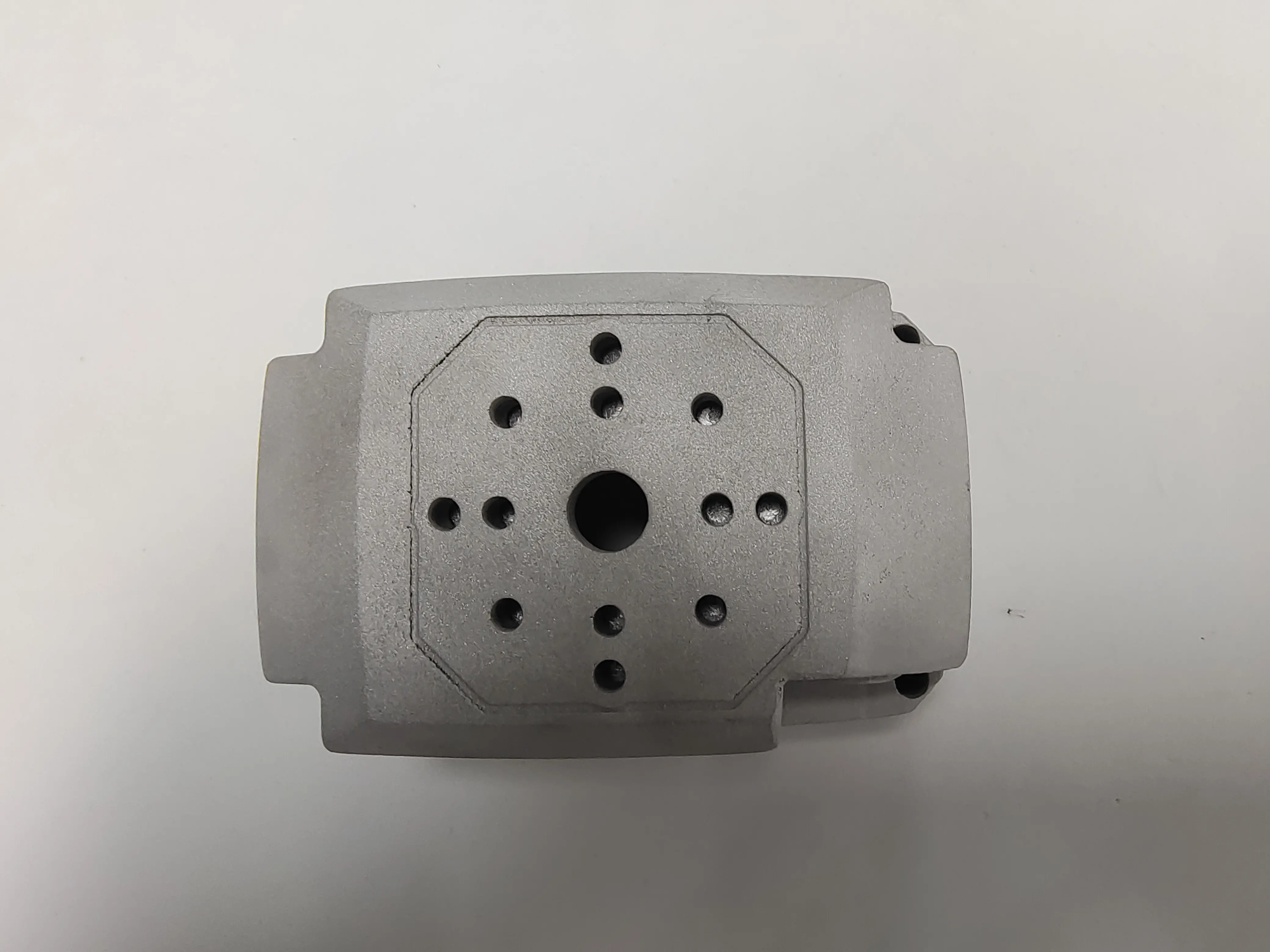
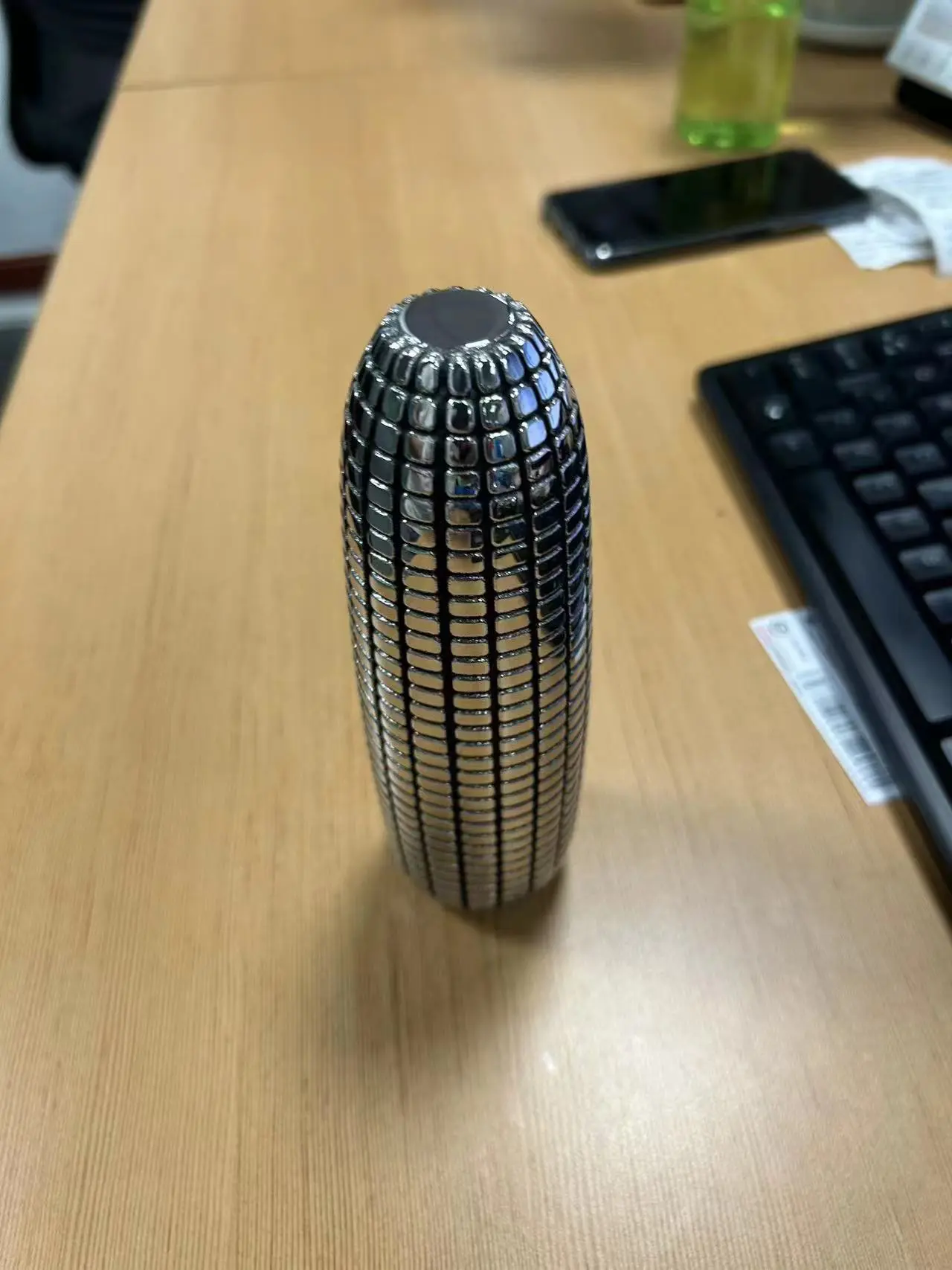
- Material selection: Durability is the most important! While desktop FDM printers typically use PLA, nylon-based filaments such as Nylon or NylonX provide superior strength to functional parts. For a truly sturdy and durable tool holder that can be assembled/disassembled frequently, Metal printing via selective laser melting (SLM) Beyond plastic. Materials such as aluminum alloy offer incredible weight, feel and resilience, reminiscent of real metal prop replicas.
- Precision is everything: Success depends on the dimensional accuracy of LEGO integration. Even a slight misalignment can prevent the connection from snapping securely. where is this Professional-grade 3D printing services such as GreatLight offer decisive advantages.
- SLM technology: GreatLight uses advanced SLM (Selective Laser Melting) printers. These machines use high-power lasers to fuse metal powder layer by layer, achieving unparalleled precision and density that far exceeds that of typical consumer printers.
- Speed and reliability: Ability to reliably produce complex, high-resolution models requiring intricate detail or internal structure without the warping or layer separation issues common in desktop printing.
- Materials expertise: Using strong metals suited to functional parts, coupled with expert print parameter optimization, ensures your tool handles will fit snugly with your LEGO bricks every time.
-
Fineness of finishing:
- Support removal: Industrial SLM printing still requires support structures. Expert removal is critical to preserving fine details. Professional services excel here.
- Smoothing defects: Metal parts often benefit from sandblasting to achieve a uniform matte finish. The permanent layer lines in plastic prints can be carefully sanded by hand sanding. This step requires a lot of time and skill.
- Painting perfection: Prime carefully to ensure paint adhesion (especially oil-based primer for plastics). Use high quality acrylics or enamels. Thin coats, patience, and masking are essential for crisp details. Consider using weathering techniques to create a battle-worn look.
- One-stop post-processing: Simplify your projects! Services such as GreatLight provides comprehensive post-processing – Expert support removal, precision sanding, sand blasting, polishing, buffing, and even professional coating/painting. Avoid hassles and ensure museum-quality results.
- Assemble your legacy: Thrilling climax!
- Collect official LEGO elements: handle bricks, blades (clear, blue, green, red, etc.), control panels and decorative details.
- Safely assemble 3D printed toolholder components.
- Attach LEGO bricks to your custom knife handle – watch your unique design integrate seamlessly with the LEGO system.
- Insert Blade: Feel the satisfaction as your personalized lightsaber was born from your imagination and crafted with precision, ready for display or galactic adventures!
Conclusion: Unleash your inner archetype
Building your own LEGO-compatible lightsaber is a rewarding blend of creativity and engineering. It pushes the boundaries of what’s possible with custom LEGO creations. While desktop 3D printing offers accessibility, achieving the dimensional accuracy, strength, and professional finish required for perfect LEGO integration and a truly premium feel can be challenging.
For designs that require extreme precision, durability (especially in metals) and superior finishing, utilizing professional rapid prototyping services is not only convenient, but transformative. company likes Equipped with cutting-edge SLM technology and deep expertise in metal prototyping and finishing, GreatLight enables creators to bring their most ambitious visions to life. They are capable of handling complex geometries, are available in sturdy metal options, and offer comprehensive post-processing, ensuring that your custom saber is not only unique, but well-made, durable, and worthy of joining your LEGO Starfighter fleet to survive countless adventures in the living room galaxy.
FAQ: Building a LEGO-Compatible 3D Printed Lightsaber
-
Can any 3D printer make usable LEGO compatible parts?
- It’s possible, but not reliable. Consumer grade FDM printers often struggle to achieve consistent absolute dimensional accuracy (>0.1 mm tolerance) "snap-in" satisfy. Warping, drawing, or minor alignment issues may cause parts to be incompatible. Professional systems (SLM/SLS/SLA) achieve the required accuracy more reliably.
- What are the best materials to use for a LEGO compatible lightsaber?
- Prioritize strength and durability. Avoid using extremely brittle materials