Unlocking Precision Organization: The Revolution in 3D Printed Packaging Inserts
For tradesmen, contractors, mobile technicians and serious DIY enthusiasts, Milwaukee Packout systems have become synonymous with rugged, modular organization. Its durability and versatility are legendary. But anyone who’s spent any amount of time using Packout knows its Achilles’ heel: Standard plug-ins often don’t meet specialized tools and unique workflows. Regular foam is cumbersome to cut, inefficient, and degrades over time. Preformed plastic pallets rarely fit this important gadget perfectly. This is the power of change Customized 3D Printed Packout Inserts Enter the scene – turning a great system into a Perfectly customized Organizational dynamics.
Gone are the days of awkwardly stuffing tools into compartments or settling for nothing "close enough." 3D printing allows the creation of inserts designed from Unparalleled precision hold your specific tools, your way. It’s designed to maximize space utilization, minimize movement (and therefore damage), streamline workflow, and keep everything instantly accessible. Imagine a tray of outlets where each outlet has its own cozy, labeled “home.” A custom drill bit organizer for your drill bit set. Mounting bracket for uncommon sensors or precision electronic protection. The possibilities are limited only by your imagination and the box itself.
Why 3D printing dominates custom packaging:
- Super customized: This is not mass production. CAD software allows designing blades to fit Exact dimensions and contours your tools. Measure your gear, model the cavity, and print a solution that fits like a glove—holding items tightly without wasted space or excessive wiggle room that can cause rattling and damage.
- Optimize space utilization: Standard blades have a fixed layout. 3D printing unlocks the potential for creative nesting of tools, stacking smaller items vertically within the height of taller tools, effectively utilizing oddly shaped corners, and creating multi-layer layouts that significantly increase carrying capacity within the same footprint.
- Enhanced protection and security: Perfectly contoured cavities support the tools securely, preventing them from sliding and hitting each other during transport. Materials can be specifically chosen for shock absorption (e.g. TPU) or rigid support (e.g. PETG, ASA, nylon). Specialized brackets eliminate the risk of chipped edges or bent shafts.
- Improve workflow efficiency: Everything has its place, everything is in its place. Custom plugins transform chaotic boxes into intuitively organized systems. No need to dig through boxes to find tools instantly. Return them just as quickly, significantly reducing work downtime. Color coding, labeling and ergonomic layout further improve speed and accuracy.
- Design iteration and scalability: Need a little tweaking? Found a new tool? With digital design files, modifications are quick and cost-effective. Once perfected, printing additional identical inserts (or sets for different boxes/people) is simple.
- Material Versatility: The best material depends on the use case:
- People’s Liberation Army: Low cost entry point, stiff, suitable for undemanding pallet prototyping.
- Polyethylene glycol: Best choice of many Packout plugins. Excellent interlayer adhesion, impact resistance, chemical resistance, good temperature resistance, and strong overall durability.
- ABS/ASA: It has higher temperature resistance and toughness than PETG, making it ideal for harsh environments and outdoor use, but requires more careful printing.
- TPU/flexible filament: Ideal for creating flexible holders within larger rigid frames, non-slip clamps or providing cushioning around delicate items.
- nylon: Exceptionally tough, highly impact and chemical resistant, ideal for heavy duty or demanding professional applications.
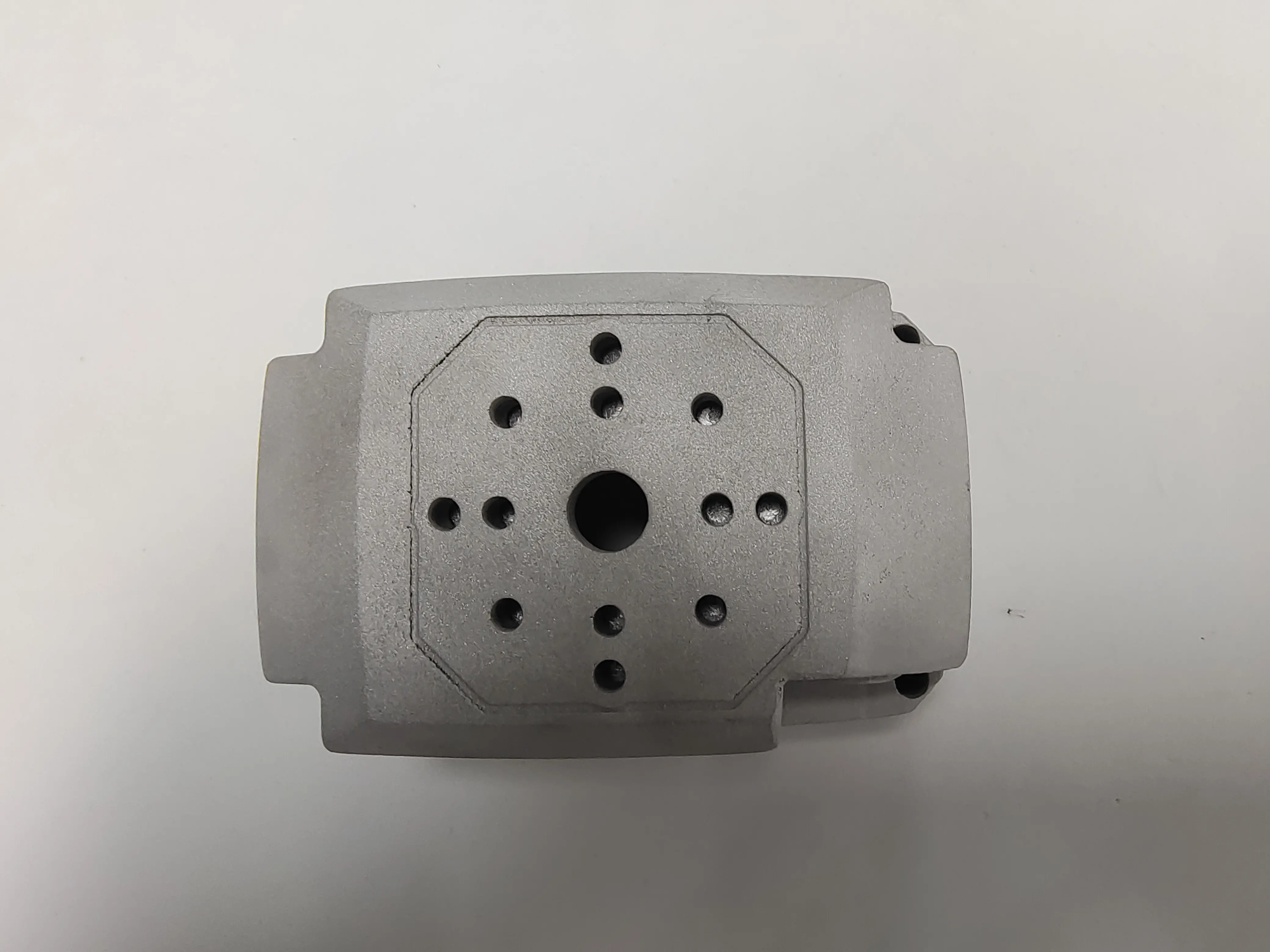
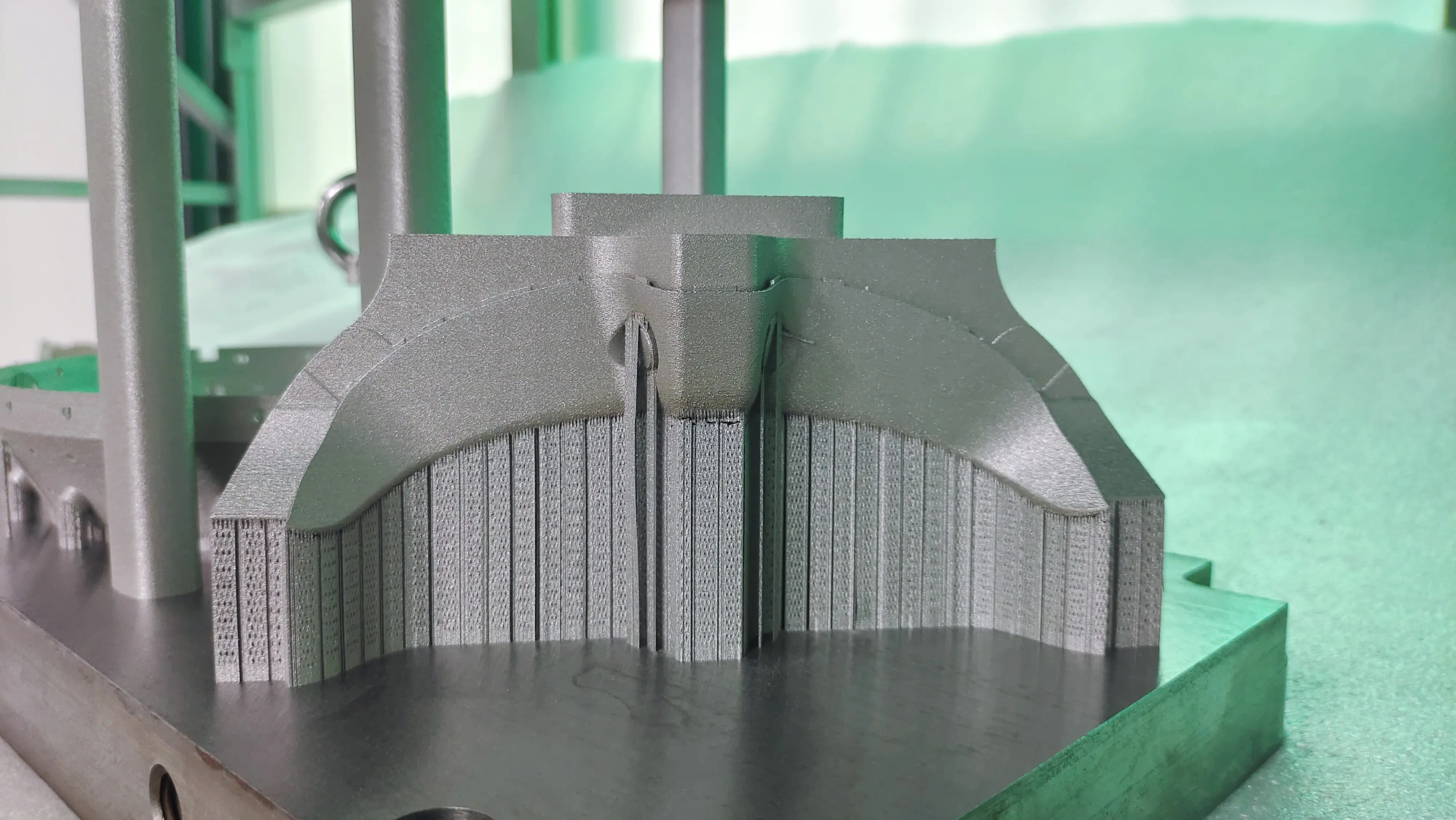
- (For metal inserts) Metal powder (e.g. aluminum, stainless steel): For maximum durability, wear resistance, thermal properties or industrial aesthetics, advances in metal 3D printing (SLM/DMLS) enable extremely strong custom metal inserts.
From blueprint to packaging: the custom insert creation process
- Define requirements and measures: What tools/components need storage? Measure them carefully – length, width, height, diameter, angle. Consider box dimensions (inside) and any mounting features. It helps to draw a rough layout.
- CAD design: This is the core of the process. Create accurate 3D models using CAD software (TinkerCAD, Fusion 360, SolidWorks, FreeCAD):
- Model the empty Packout base geometry.
- Design negative space (cavity/support) based on tool measurements.
- Added features: lip to secure items, finger grooves for removal, tabs, clips to attach Packout mounts, grid construction for lightweight rigidity.
- Make sure you have tolerances (vital!): enough clearance for easy disassembly/tolerance stacking, but not so much that it makes rattles. Consider filament shrinkage.
- Material selection: Filament selection is based on environmental factors (heat, UV, chemicals), required flexibility/stiffness, weight considerations, and budget.
- Prototyping and testing: Print an initial prototype, usually using PLA