Bring a spooky atmosphere to your Halloween with a DIY 3D printed light cube
Halloween is the perfect season to blend creativity with spooky elegance. Forget ordinary store-bought decorations—imagine a custom-made light cube casting the unforgettable silhouette of a bat, ghost, or jack-o’-lantern across your room. This DIY project combines 3D printing, simple electronics, and artistic flair to create an eye-catching, one-of-a-kind centerpiece. Whether you’re a hobbyist or a maker, this guide will walk you through building a durable and professional-looking Halloween light cube.
Why choose 3D printing light cube?
The Light Cube uses layered diffusion to transform basic LED lights into mesmerizing art. With 3D printed panels, you can achieve unlimited customization:
- Personalized theme: Design perforated panels with spiders, skulls or eerie landscapes.
- Durability: Printed parts withstand handling and can be used in all seasons.
- Cost effectiveness: With filament prices under $10 (excluding reusable electronics), you avoid the markup of commercial decor.
Materials and Tools
Gather these essentials before you start:
- 3D printer: FDM (PLA recommended) or resin printer for detail-intensive designs.
- filament: White PLA (optimal light diffusion) or glow-in-the-dark variants add to the spooky feel.
- LED: Battery powered string lights (low heat, easy to set up) or addressable LEDs (e.g. WS2812B) for programmable modes.
- Electronic equipment (optional): Arduino Nano + TP4056 charger (if using programmable LEDs).
- Various: Super glue, frosted acrylic sheet (for enhanced diffusion), craft paint, wire cutters.
Design your cube panel
Software tips:
- beginner: TinkerCAD – Excels at dragging and creating geometric cutouts.
- Advanced: Fusion 360 – Parametric modeling of precise joints and meshes.
- Resource library: Get pre-made Halloween STL from Thingiverse (e.g. "Halloween Light Cube" Provided by MakerGS).
Main design principles:
- Wall thickness: Walls of 1.5-2mm ensure structural rigidity while allowing light to penetrate.
- Cut density: Balance complexity with lighting. Thin bridges (<0.8mm) may break during printing.
- Interlocking connector: Design mortise and tenon connectors for tool-free assembly (reducing reliance on adhesives).
Print agreement
Optimize print settings for consistency:
- Floor height: 0.15mm (fine details) – 0.2mm (faster output).
- filling: 15-20%, spiral pattern (better than grid diffusion).
- support: Tablets are not required. Place the design face down for the smoothest surface.
- Material notes: Avoid ABS/ASA unless well ventilated; PLA emits very few VOCs indoors.
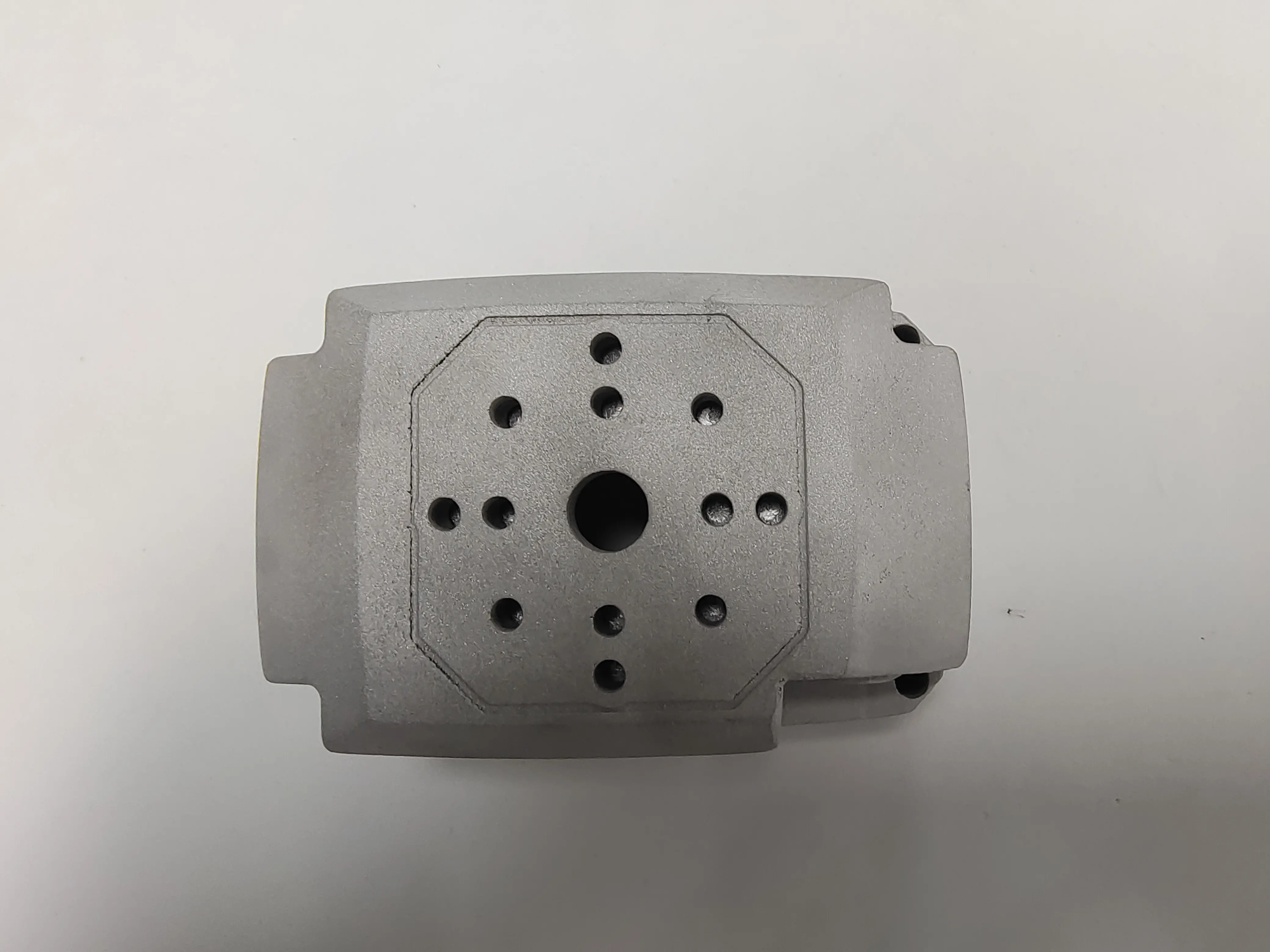
Professional Insight: If printing precise joints or metal reinforcement parts feels challenging, work with a rapid defect prototyping service such as huge light. Their industrial-grade SLM printers guarantee perfect installation of metal alloys, such as aluminum for vocational school radiators, without the risk of warping.
Assembly and electronics
Please follow this order:
- Test installation panel: Snap the sides together to ensure tight alignment.
- Deploy LED:
- static light: Use double-sided tape to secure the fairy lights to the inner corners.
- Programmable LED: Synthetic code sequences via the Arduino IDE (for example, Collections pulse effect chasing a bat).
- Safety first: Power supply for LED, voltage ≤5V (USB mobile power supply). Cover exposed wires