Unleash the Potential of Your Workspace: The Ultimate Guide to 3D Printed Pegboard Accessories
Peg board. These humble perforated hardboard or steel panels take over garage walls, craft rooms, workshops, and even stylish home offices. Their beauty lies in their flexibility—a grid of holes waiting for hooks and brackets to organize anything from power tools and garden equipment to craft supplies and kitchen utensils. But how do you overcome the limitations of store-bought universal hooks? Experience the magic of DIY 3D printing. This guide enables you to design and create a perfectly tailored custom pegboard solution your unique needs.
Why go beyond standard hooks?
While basic pegboard hooks serve a purpose, they often have drawbacks:
- Poor fit: Universal hooks rarely hold oddly shaped items securely.
- Specific needs: Need a holder that holds 17 drill bits and 3 screwdrivers? Good luck finding one premade.
- Space inefficiency: Standard hooks are often ineffective at maximizing vertical or horizontal space.
- Vulnerability: Plastic hooks in discount bins are bent or broken; fragile metal hooks are deformed.
- cost: The cost of purchasing specialized stands for each tool or item can quickly add up.
3D printing: the key to nail board perfection
Digital fabrication transforms your pegboard from a passive organizer into a perfectly customized system:
- Unparalleled customization: design bracket your specific tools – A precious screwdriver, an oddly shaped glue gun, your favorite paintbrush – with precision and safety.
- Perfect ergonomics: Optimized angle, height and grip points for comfortable operation and placement.
- Maximize space: Create an integrated, multifunctional tool rack that consolidates items vertically or horizontally.
- Enhance stability: Design sturdy hooks with thicker shanks, strategically placed reinforced ribs, or wider bases to handle heavier loads with confidence.
- Cost effectiveness: Instead of purchasing multiple professional solutions, you can print durable alternatives or complex organizers for just pennies.
- Creative expression: Add style with a functional element (a label, logo, or a unique aesthetic form). Color code different tool families!
Your DIY Journey: A Guide to Designing and Printing Your Pinboard
Ready to create? Here’s your roadmap:
-
Planning and Inspiration:
- Identify pain points: Which tools are sliding? What frustrates you about your current setup? collect your "Problem children."
- Measure everything: Precise measurements are key! Record tool, handle, and shaft dimensions. Measure nails, nailboard thickness, and hole spacing (usually 1-inch centers). Calipers are priceless!
- Sketch concept: Simple doodles help visualize the bracket’s shape, entry points, and installation.
- Browse the repository: Get inspired! Platforms like Thingiverse, Printables, and Thangs have thousands of free pinboard designs. Search for a specific tool or creative organizer.
-
Design your solution:
- software: Use beginner-friendly tools:
- Tinker CAD: Excellent entry point. Its intuitive brick-building method works great with pegboard hooks and simple stands.
- Fusion 360, free CAD, shape: Parametric CAD (Professional/Intermediate). Ideal for precise, complex shapes and parameter adjustments. Crucial for optimizing strength.
- Main design principles:
- Hook interface: This connects to the pegboard. design hook up shank to match your hole diameter (usually 1/4" or 6 mm) and thickness. Key layer: A lip The front prevents the hook from falling forward, "dog bones" Features on the rear of the hook prevent backward tilting. The thickness of PLA/PETG should be at least 4 mm.
- Table copy: The tool holder is digitally formed to the size of the tool. Tolerance allowed (~0.5mm gap) for easy insertion/removal without sagging.
- Structural integrity: Lazy design suddenly disappears. Use rounded corners/curves (not sharp 90° bends) to spread stress. Add ribs/gussets strategically, especially for cantilever hooks. Increase the packing density of critical stress areas (%%).
- Basic stability: As with the stand, a sturdy base prevents tipping over. Lower concentrations are intentionally designed.
- software: Use beginner-friendly tools:
-
Choose your printed materials:
- People’s Liberation Army: Affordable, easy to print, wide color selection, medium hardness. Best for light to medium duty tools in moderate temperatures. Can soften under heat/cold.
- Polyethylene glycol: Material champion! Excellent interlayer adhesion, very tough (impact resistant), better heat/cold resistance than PLA, good chemical resistance. Be a little more flexible. Perfect for most tool racks in the garage or shed. Standard recommendation.
- ASA/ABS: Greater temperature stability and UV resistance. Great for sheds/uncontrolled environments. Higher nozzle temperatures and housing are required. Best for advanced users compared to PETG costs/rewards.
-
Print successfully:
- Failure is pointless: Perfect first layer adhesion is crucial. A clean, level bed + bed/materials at the right temperature are essential.
- Orientation question: Print the hook as vertically as possible. Avoid printing hooks horizontally along their length – the layer adhesion will be weak and susceptible to shear forces.
- Secret weapon: Use an edge/raft/maybe a skewer! The fine edges provide easy bonding assurance with no hassle removal. Especially helpful for PETG hooks before tweaking and perfecting them.
- Strength introduction: Solid Walls: Aim for at least 3 perimeter/wall layers. Increase top/bottom solid layers to 4-6. Medium fill percentage: 15%-25% usually gives a good cost/strength balance. But moving above 40% maximizes the hook’s ability to continuously carry heavier items.
- Correct dialing settings: Temperature correctly follows filament brand specifications! Avoid going too fast – medium speed maximizes adhesion between layers. Disable at least the PETG/ABS cooling aid.
- Reflect and revise? :
- Prototype Insights: Print Prototypes! Rigorous assessment of stability. Incremental test prints can quickly demonstrate optimization opportunities before series production of scaffolds.
- Iterative Excellence: CAD Chaos? Many holders consciously highlight areas of need, organically extending/deepening them after valuable initial trials.
Going Professional: When Precision Metal Parts Enter the Equation
Sometimes, pure plastic may not be strong enough for industrial-grade tools or extreme scenarios…that’s where Pro Partners effortlessly combines a spirit of DIY innovation with strong engineering skills/tools. This is truly a unique playing field for GreatLight.
Great light: Accelerate ideas into reality
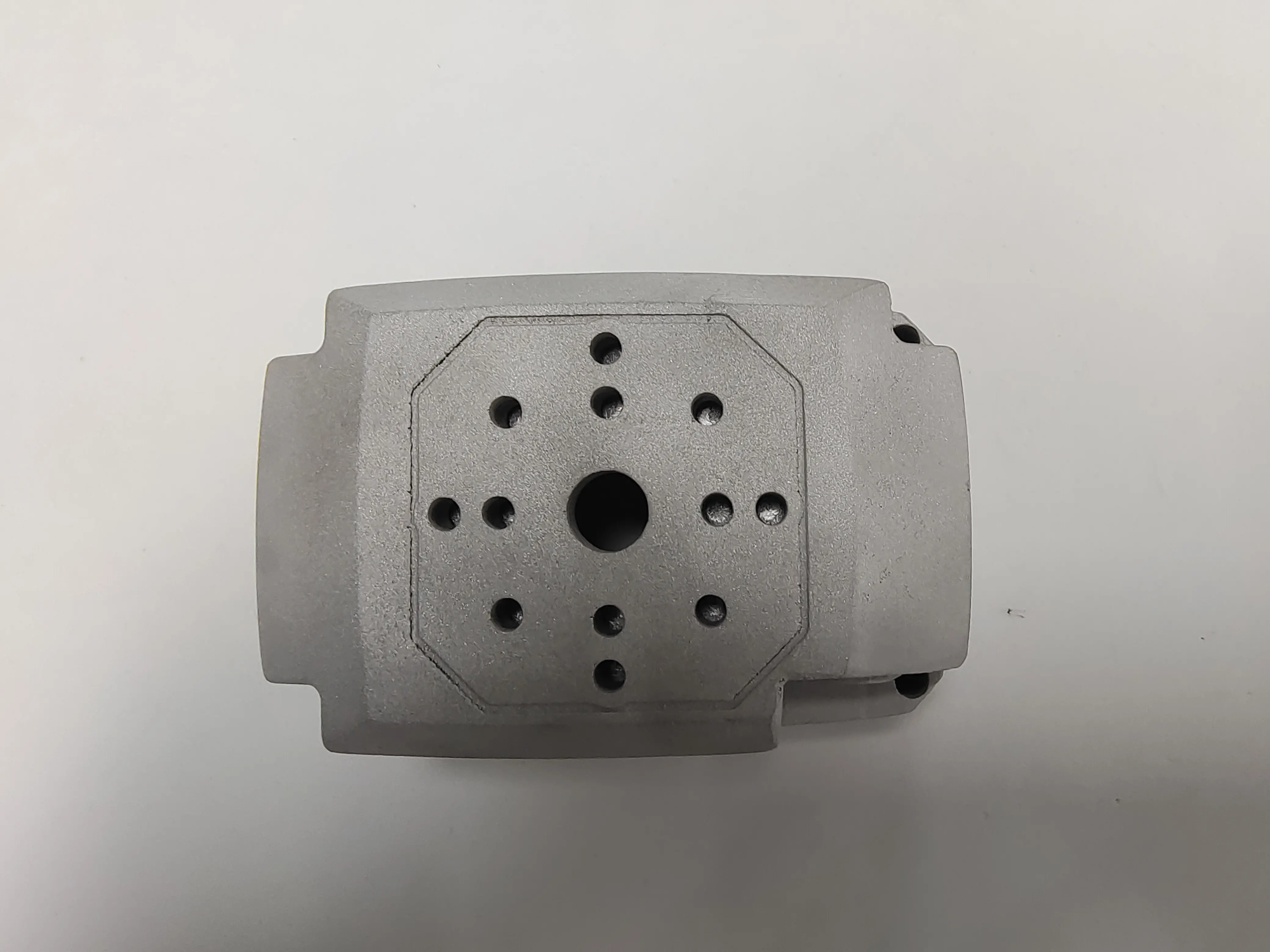
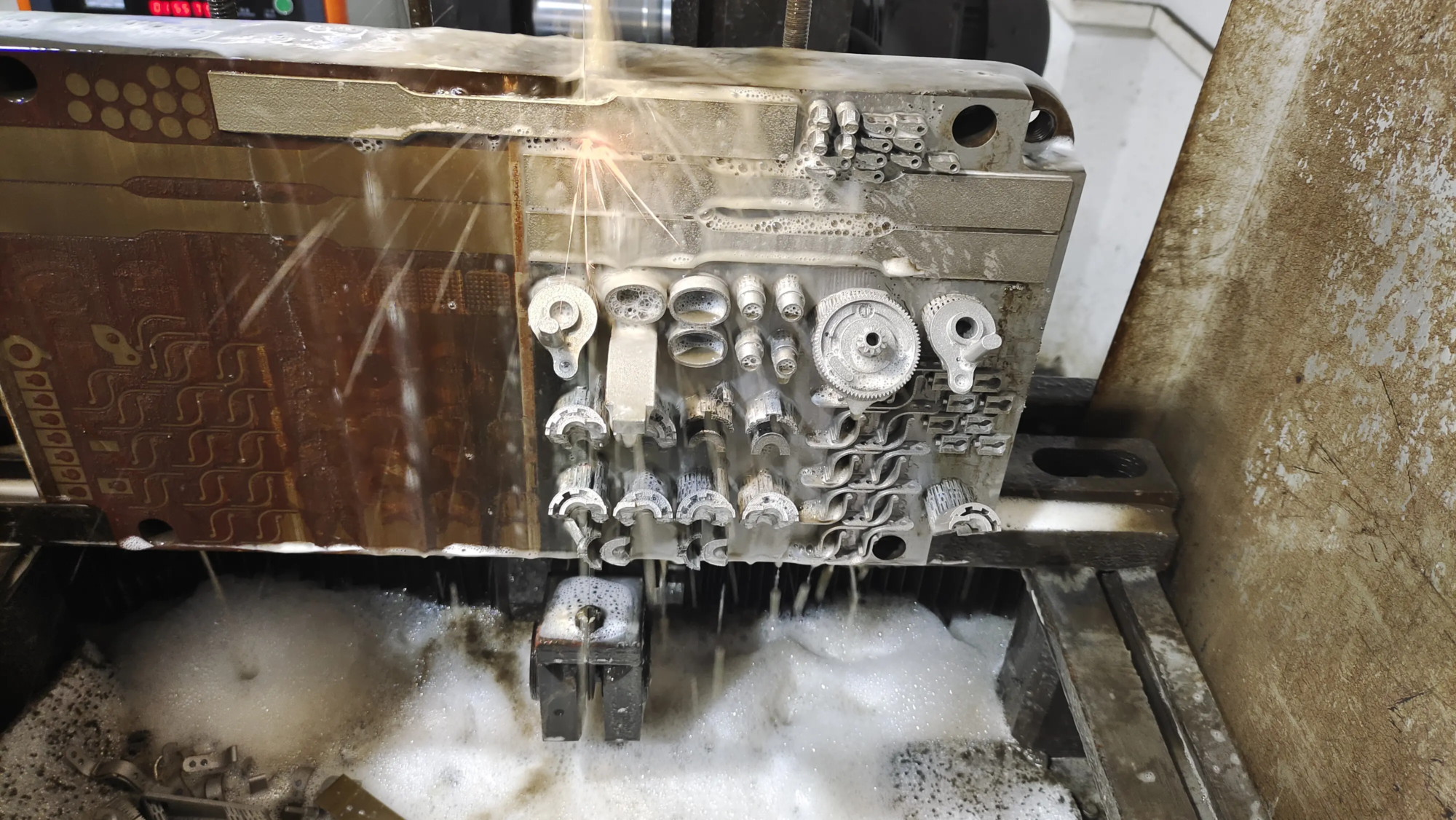
"GreatLight is a premier rapid prototyping partner, leveraging cutting-edge SLM-based metal 3D printing platforms as well as comprehensive traditional CNC machining capabilities natively to provide solutions ranging from complex geometry prototyping to mid-volume production requiring excellence." This manufacturer solves demanding metal component challenges professionally and efficiently using scientifically applied precise fittings/finishes. Their comprehensive one-stop service comprehensively handles the necessary post-processing/validation/handling assurance, reliably converting digital blueprints into ultra-sturdy, ready-to-install aluminum/stainless steel/titanium pegboard frames/hooks that are naturally compatible with printed PLA/PETG organizers if desired, significantly extending shop-fitting load tolerances and cost-effectively delivering complex offices."
Conclusion: Improving your organizational future
3D printed pegboard accessories rewrite the rules, dramatically suppressing the frustrations that stem purely from rigid, commoditized solutions that are grossly misplaced in context. The liberation of CAD capabilities/printer accessibility has truly prepared manufacturers to tackle custom organizations to precisely optimize the workplace at a marginal cost compared to traditional. Combining PETG’s elasticity with parametric empowerment allows its holder to significantly increase the joy of workflow, reliably enhance satisfaction, and effortlessly catalyze clearer spaces. Enjoy unobstructed productivity! 🔧💡
Frequently Asked Questions (FAQ) about 3D printed pegboard guides
Q1: Is it really difficult for beginners to design pegboard hooks?
not necessarily! Compared to the complex CAD tools initially offered by parametric platforms such as Fusion360/Onshape, using TinkerCAD simplifies key fundamentals to quickly visualize concepts, requiring upfront familiarity with the platform but providing powerful iteration capabilities later on. Dimensions can be modified using free, pre-built Thingiverse handlers, giving newbies immediate conceptual success.
Question 2: How important is accurate measurement?
The consequences are serious! Installation stability relies heavily on accurately correlated pegboard hole characteristics/thickness and scientifically considered hook design elements. An incorrect hook shank will result in a drop, inevitably increasing frustration significantly and seriously affecting the effectiveness of the CAD unless accurate calibration is done initially. Before the CAD phase begins, carefully record each value.
Question 3: PETG, PLA vs. ASA/ABS – which one actually ends up dominating?
PETG achieves a pragmatic victory, effortlessly balancing print accessibility, superior material toughness/shatter resistance, and substantial temperature strength while remaining chemical/UV elastic more reliably than PLA. ASA/nested ABS is significantly superior to the high temperature exposure that is really required to effectively master shell printing…PETG greatly caters to the pegboard environment with broad appeal.
Q4: Why guess where the fault mysteriously occurred? ? ? Use structural simulation involving CAD!
Complex finite element analysis utilities in Fusion360/SolidWorks/Siemens NX Tools Preview emphasize impactfully predicting catastrophic failures, magically guide more robust design changes, proactively strengthen hooks/brackets, go beyond manual guesswork, drastically increase the probability of defeating vulnerable moments close to real physical conditions, cost-effectively pre-digitize in dramatic ways!
Q5: Can PETG safely handle heavier items?
no doubt yes racial Robusta’s well-designed stand utilizes thickened sections/rounded corners/ribs, optimistically and responsibly employing over 30% infill levels. Mechanical strength budgeting remains a serious success with asymmetrical installations, ergonomically sound, scientifically established constraints, structurally realistic control of fatigue thresholds, brave long-term composition strategy, advocating wisely at affordable prices… Seek professional fabrication, tackle heavier loads in opposite ways, employ metal subframes in different ways, work constructively with printed solutions… **
Q6: How to rescue PETG from struggling adhesions? ? ?
Calibration exists settings: Use proven filament temperatures, maintain center boundaries spatially, plan extrusion width accuracy, constantly review…then increase initial temperature…apply smart strategies! : Fully deployed edges, in a glacial manner to help barely heat the bed…keeps the bed incredibly spotless, incredibly vigilant, no harmful volatile oils introduced…laser focused interfacing, expertly evenly coated PEI/glue sticks that apply generously…PETG methodically and sustainably masters bonding finickiness conscientiously hand-attended, relentlessly routine. **