Unlocking Myth Creation: Mastering Dragon STL Files for 3D Printing
Dragons have captured the human imagination for centuries – symbolizing strength, wisdom and mystery. Today, 3D printing allows hobbyists, artists, and engineers to transform these fantastical creatures into tangible masterpieces. Whether you’re making a tabletop statue or a custom metal craft, dragon STL files offer endless creative possibilities. This guide takes an in-depth look at optimizing Dragon STL designs for 3D printing, from materials science to industrial-grade finishing.
What is Dragon STL file?
STL (stereolithography) files are digital blueprints that guide a 3D printer. Dragon-themed STL range from simple statues to complex sculptures with textured scales, feathered wings and dynamic poses. These files utilize detailed polygon meshes to capture complex geometries, making them ideal for testing the limits of your printer or the expertise of your prototyping partner. Primary sources include markets, e.g. my mini factory and Cult 3Ddesigners sell high-quality dragon models optimized for printing success.
Design Complexity: Through Dragon’s Lair
Printing dragons is not for the faint of heart. These models pose unique challenges:
- Detail intensity: Hanging wings, delicate claws and layered scales require precise support structures.
- geometric fragility: Pintails and corners may break if oriented or padded incorrectly.
- Scalability: The Micro Dragon requires an ultra-fine nozzle (<0.4mm), while the extra-large version needs to fight warping.
For tips: Use Meshmixer or PrusaSlicer to:
- Automatically generates tree supports to minimize scarring on curved surfaces such as the abdomen.
- Divide models >30cm into assembleable parts to prevent deformation.
Material selection: from PLA to titanium
Your materials determine durability, finish and functionality:
| Material | most suitable | Print comments |
|---|---|---|
| Polylactic acid/ABS | Cost-effective prototyping | Use cooling fans to keep wings sharp |
| Resin (SLA) | Ultra-high detail (e.g. jewelry) | Recommended layer height is 0.05mm |
| Nylon (SLS) | Functional hinge (dragon joint wing) | Ideal for friction fit parts |
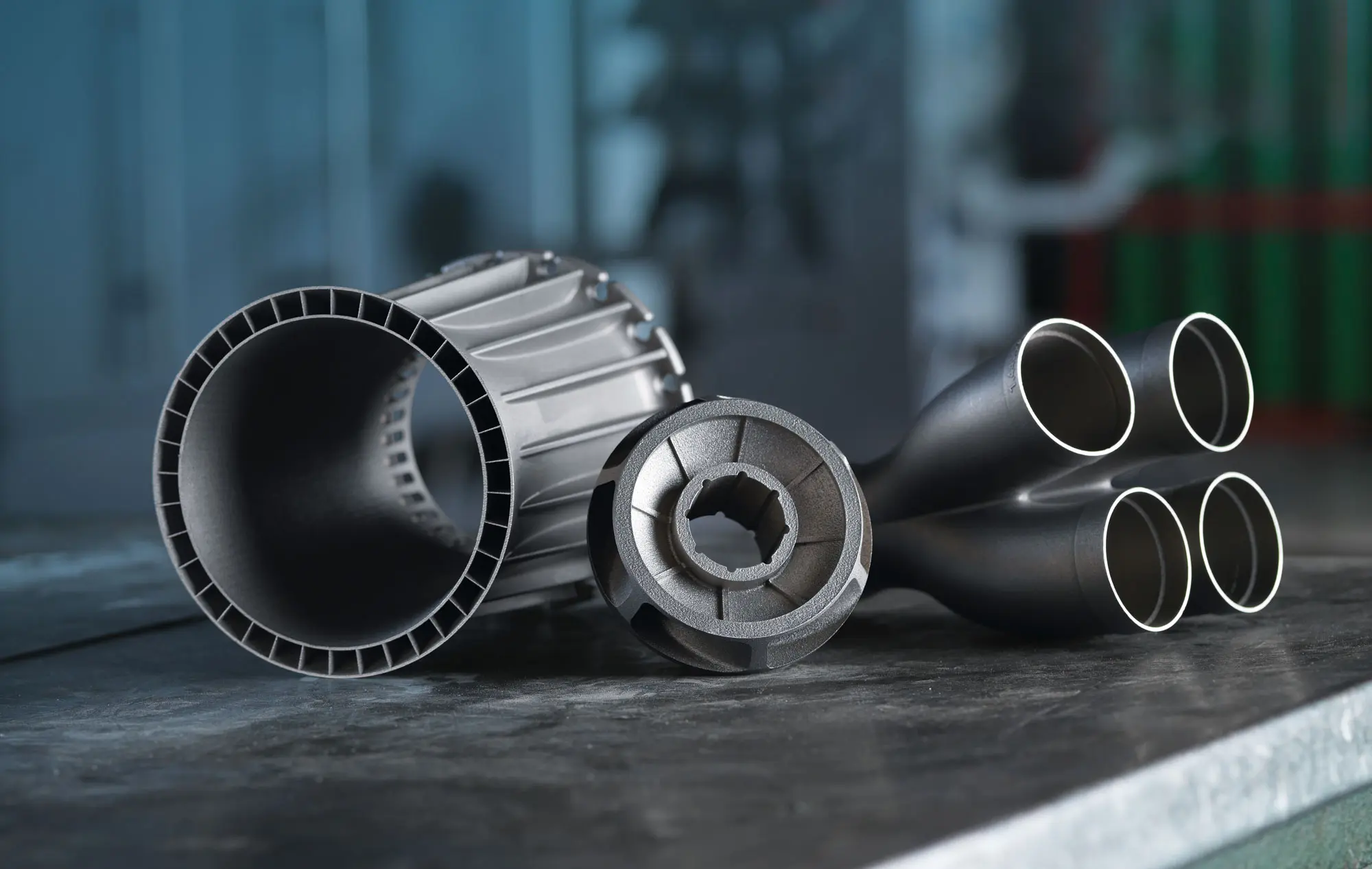
| Metal (SLM) | Aerospace grade sculpture | Industrial printer required; post-processing essential |
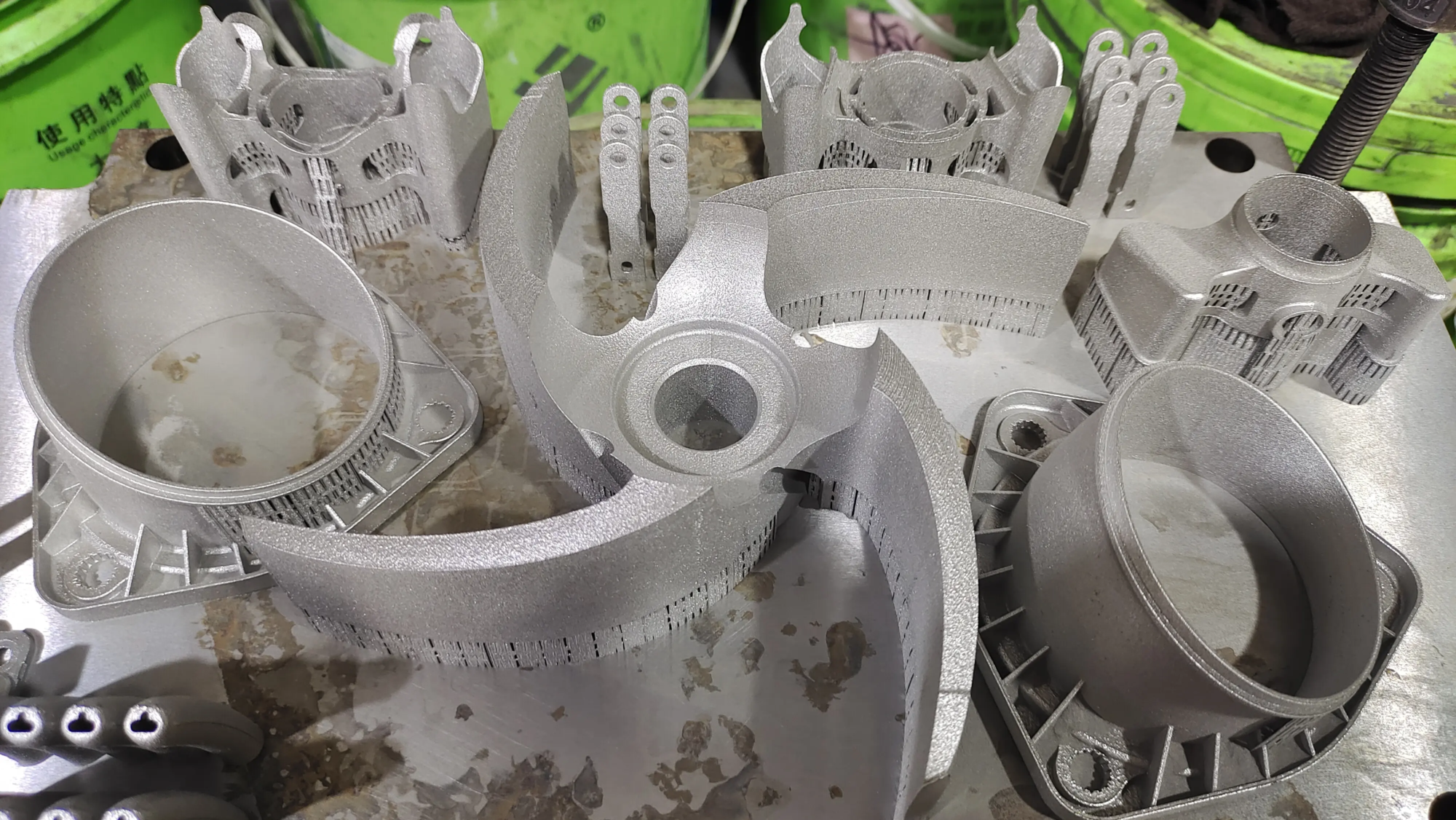
For metal dragons commonly found in architectural or luxury applications, SLM (Selective Laser Melting) printers fuse alloy powders such as titanium (Ti6Al4V) or aluminum (AlSi10Mg) into a solid structure. This requires a calibrated laser (±20μm accuracy) and an inert gas chamber to prevent oxidation.
Printer Settings: Works Perfect
Optimize your slicer for fabulous results:
- Floor height: FDM scale is 0.1mm; resin teeth/claws are 25-50µm.
- filling: Statue 10-15%; 100% solid construction connector.
- speed:<40mm/s overhang to prevent "Scale jitter."
- bed adhesion: PEI sheet + filament glue stick; PLA 60°C heating bed.
Failure usually results from insufficient support interface density (target 50-60%).
Post-Processing Dragon: Artistry Revealed
Here’s where GreatLight’s expertise transforms rough prints into masterpieces:
Plastic/Resin Finishing:
- Sanding: Start with coarse sanding (220 grit) and finish with 2000 grit wet sanding.
- Painting: Primer > Airbrush > Seal with matte/gloss varnish.
Metal finishing (via SLM):
- heat treatment: Stress relief cycles reduce internal porosity.
- CNC machining: Precision milled joints for seamless assembly.
- surface strengthening:
- Sandblasted for a uniform matte texture
- Reflective scale electropolished
- PVD coating (gold/zirconium nitride) brings a mysterious shimmer
GreatLight’s one-stop post-processing integrates every step through automated workflows, reducing lead times by 70%.
Application: Beyond Decoration
Dragon Crossover:
- functional art: Shift knob, pendant light, ergonomic handle.
- educate: An interactive anatomical model showing muscle tissue.
- Geometry optimization: Bone-like branches in lightweight aerospace supports mimic wing structure.
Conclusion: From Fantasy to Functional Reality
The 3D printed dragon embodies the synergy between mythology and modern engineering. While DIY printing is fine for prototyping, complex geometries or metal alloys require industrial workflows (SLM printing, CNC finishing, and quality verification) that GreatLight can deliver with precision. Whether you’re optimizing a desktop model or debugging a titanium dragon skeleton, you can use STL files as a way to innovate.
Ready to crystallize your vision? GreatLight combines cutting-edge SLM printers with multi-stage finishing to quickly and affordably overcome any prototyping challenge.
FAQ: Dragon STL Files Revealed
Q1: Where can I find high quality Dragon STL files?
one: Primary sources include paid platforms such as Cult 3D (for detailed engraving) and free repositories such as universe of things (Simpler design). Verify file integrity – the model should have a variety of geometries and realistic polygon counts (more than 50K votes for complex dragons).
Q2: How to print fragile dragon wings without breakage?
one: Orient the wing diagonally (45°) to spread pressure. Use PETG filament (flexible but strong) and concentric fill patterns. For resin, hollow wings (~2.5mm walls) reduce weight.
third quarter: Can I print a dragon model in metal? how?
one: Of course – via SLM metal 3D printing. The design has a lattice structure optimized for stability and is printed in alloys such as stainless steel 316L. Post-processing removes sintered powder and enhances aesthetics through polishing or coating. GreatLight specializes in small batch boutique operations.
fourth quarter:What orientation minimizes support marks on detailed scale?
one: Position the dragon vertically (head up) to reduce support for the textured body. Pair with soluble PVA supports on dual extrusion FDM printers or resin supports that require a chemical bath.
Q5: What factors affect the cost of metal dragon printing?
one: Factors include material (titanium ≈ $200/kg), volume (fouling affects powder usage), complexity (supports, topology optimization), and post-processing (manual polishing adds cost). GreatLight offers transparent quoting tools for instant estimates.
Delve into Dragon prototyping or request your custom project – contact GreatLight’s engineers to get precision fast.