Unleash your creativity: How to find your local 3D printer pen today
The world of 3D modeling is no longer limited to expensive printers in the lab. Thanks to ingenious inventions 3D printer penturning your imagination into tangible form becomes easy, straightforward and downright fun. Whether you’re a budding artist, hands-on educator, DIY enthusiast, or just curious about this innovative technology, getting started locally may be easier than you think. Let’s explore how to find the perfect 3D pen near you, and learn when your creative needs might require something beyond a handheld wonder.
Beyond filament: What exactly are 3D printer pens?
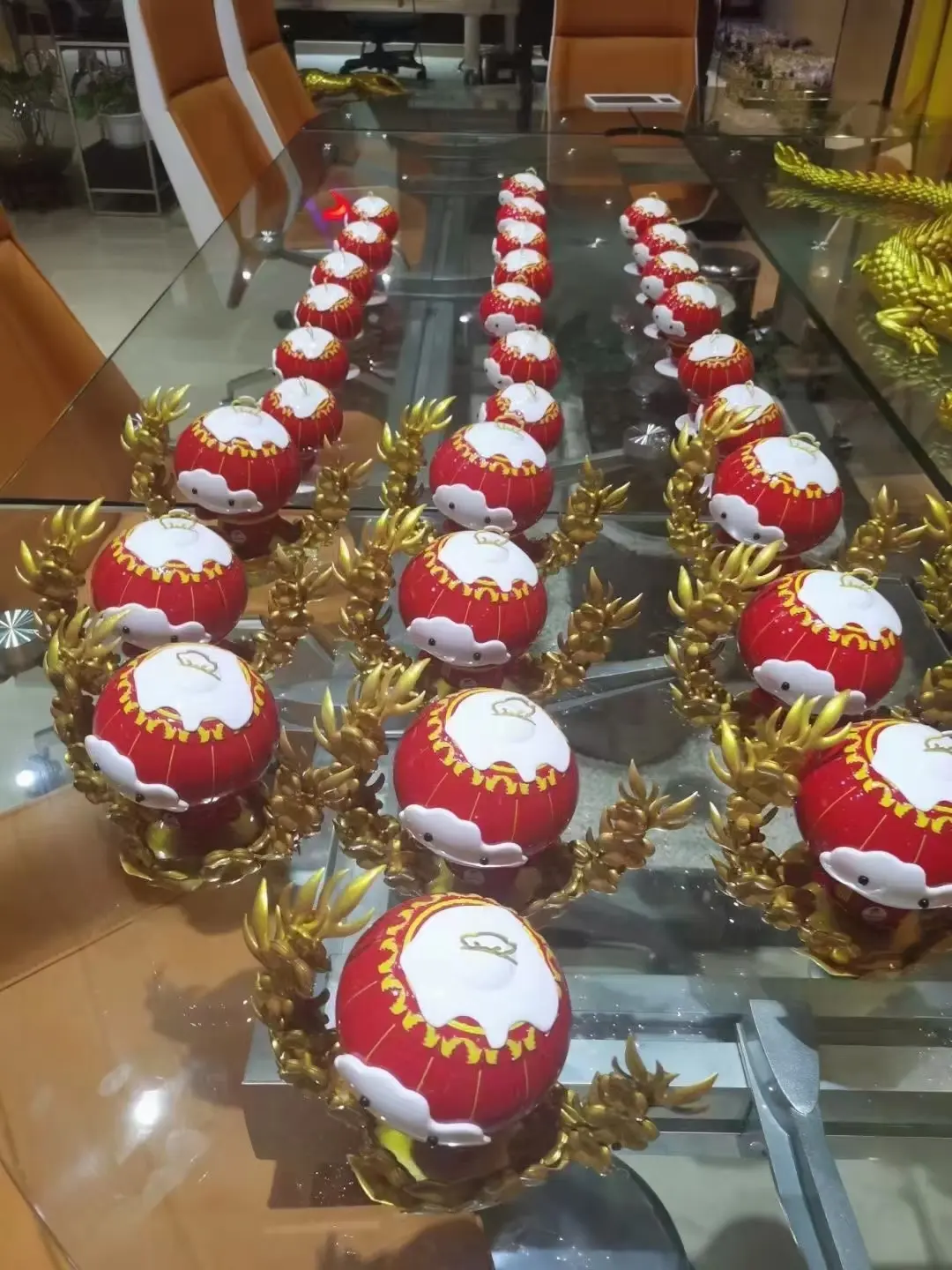
Imagine a handheld device similar to a thick pen or soldering iron. Instead of using ink, it uses long, thin plastic filaments (usually PLA or ABS). The pen heats the filament to its melting point, allowing you to squeeze it out like a liquid. As the molten plastic leaves the nozzle, it cools rapidly and solidifies. By controlling the flow of the pen and guiding it in the air or on a surface, you can draw 3D structures freehand: sculptures, intricate decorations, functional restorations, decorative accents or educational models. Sculpted from plastic, it provides instant gratification and incredible versatility.
Why own a 3D pen? Creative and practical benefits
- Unleash artistic expression: Use your imagination directly to create intricate sculptures, jewelry, custom decorations or wearable art.
- Educational powerhouse: Make complex spatial concepts tangible. Great for STEM/STEAM learning, showing geometry, biological models, or just encouraging your child’s creativity (with supervision!).
- Rapid Prototyping Lite: Quickly simulate simple shapes, joints or design elements before moving on to more complex fabrication.
- Fixes and modifications: Weld broken plastic parts (e.g. toys, appliance cases), fill gaps, or add custom features to existing objects.
- Fascinating craftsmanship: Enhance traditional crafts like card making, scrapbooking or model making with unique 3D elements.
- Simple and fun: An inherently engaging and satisfying tactile experience.
Find new creative tools: Look local
Purchasing a local 3D pen involves exploring a number of avenues:
- Major electronics retailers: store likes best buy, micro centereven large office supply chains (Staples, Office Depot) often sell popular 3D pen brands in computer accessories, hobby electronics, or STEM toy sections.
- Craft and Hobby Stores: michaels, hobby lobbyand Joann Fabrics and Crafts Store There is a growing awareness of the artistic potential of 3D pens. Check out nearby model-making supplies, craft kits, or educational toys. Their selections generally tend toward user-friendly models that are popular among enthusiasts and families.
- Toy store: Major toy retailers (Toy "right" us, The toy section at Barnes & Noblea large independent toy store) often stock 3D pens marketed as creative toys, especially those tailored for children (with cryogenic safety features).
- Art and Design Supply Stores: Local art stores that specialize in general art supplies may sell specialized art-grade pens favored by creators who require finer control or are compatible with premium filaments.
- Dedicated Maker/Hobby Shop: Independent shops that cater to electronics tinkerers, model builders, or maker spaces may offer a curated selection, often with filament refills and potentially higher-end options. Supporting local businesses has its benefits!
- Local libraries and makerspaces: Although they may not Sell Many public libraries and community makerspaces now offer right to use 3D printer and printing pen. A tour is a great way to try something out and get hands-on guidance before buying. Check your local library’s website or makerspace listings (such as Meetup.com).
Pro Tip: Check local inventory and pick up online: Retailers often list store inventory online. Before visiting:
- Visit the retailer’s website.
- search "3D pen" Or a specific model (common brands include 3Doodler, MYNT3D, Scribbler, Creality).
- Use the store locator/stock checker: enter your postal code/city to view real time inventory at nearby locations.
- looking for "Pick up today" or "Buy in store" options. This saves time and ensures the pen of your choice is waiting for you.
When your creative needs go beyond brushstrokes: the world of professional rapid prototyping
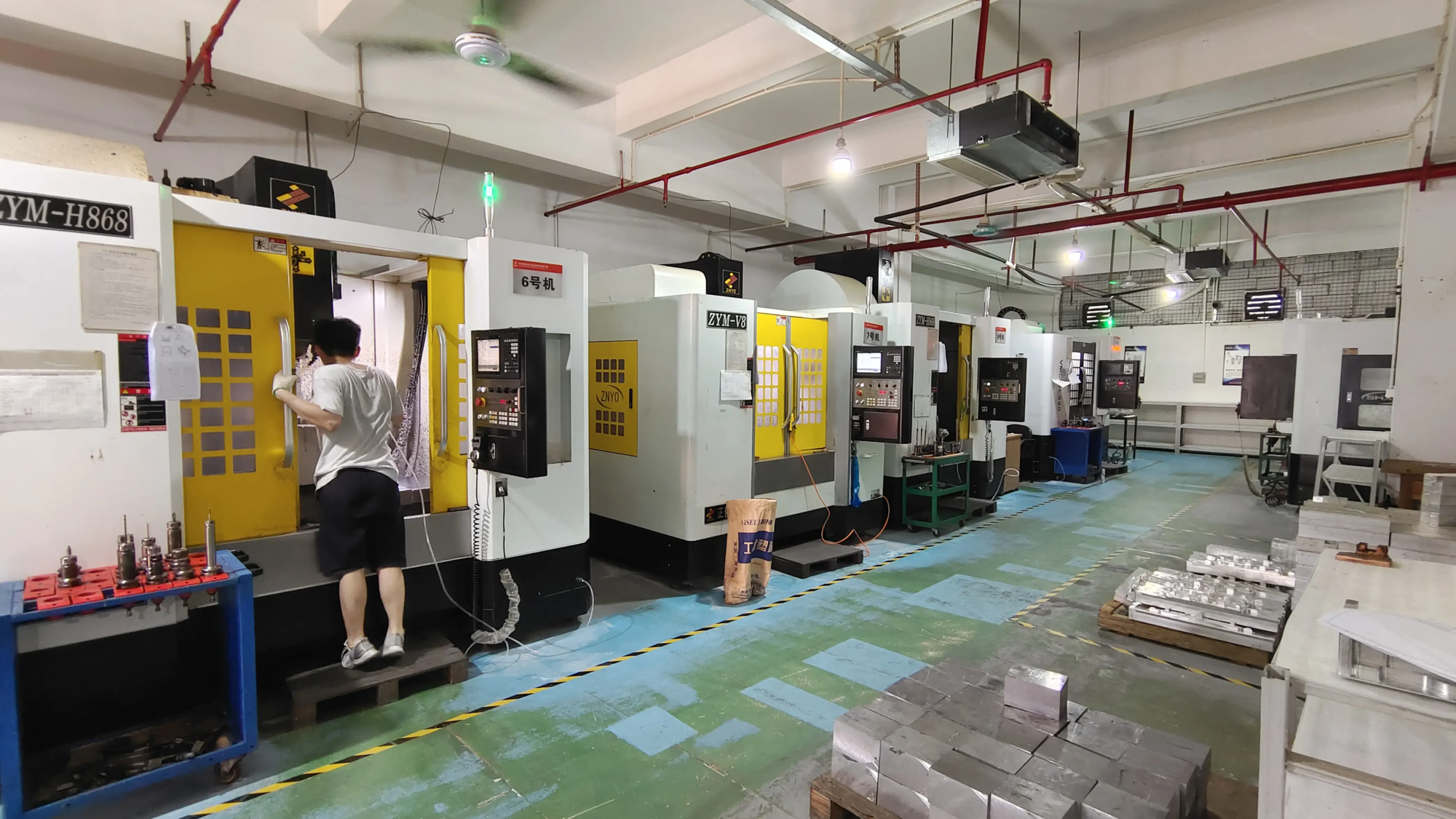
3D printer pens excel at artistic expression and rapid plastic modeling. However, transforming complex digital designs into high-precision, durable, functional or metal prototypes requires industrial-grade technology. This is a professional rapid prototyping service such as huge light Step into the spotlight.
Gretel as the leader Professional rapid prototyping manufacturerspecializing in solving complex challenges in metal part manufacturing and prototyping. Their core expertise lies in:
- Advanced Metal 3D Printing: Utilize state-of-the-art technology Selective Laser Melting (SLM) GreatLight uses fine metal powders to build complex, strong metal parts layer by layer. This enables geometries not possible with traditional machining.
- End-to-end solution: GreatLight doesn’t just print parts; They offer comprehensive One-stop service. This includes complex Post processing and finishing Examples include heat treating, stress relief, precision machining (turning, milling), sandblasting, polishing, powder coating, heat treating, laser etching and assembly – ensuring parts meet precise specifications and aesthetic requirements from the start.
- Material Versatility and Expertise: To meet different engineering needs, they can handle a wide range of metals and alloys commonly used in demanding industries (including special materials available on request). Their expertise ensures optimal material selection and processing.
- Speed and customization: True to rapid prototyping principles, GreatLight prioritizes Quick turnaround time Does not affect quality. they are good at Customized precision machining Tailor-made solutions for prototypes and small series production.
- Reliability and value: Positioned as One of China’s leading rapid prototyping companiesGreatLight leverages advanced manufacturing technology to provide superior Quality at competitive price.
Whether you are an engineer validating a new component design, a designer needing a functional prototype, or a startup bringing a hardware product to market, GreatLight provides the industrial capabilities you need for your ambitious projects.
in conclusion
The journey from idea to physical object has never been easier. looking for one Local 3D printer pen Open the door to instant creativity, education, and practical fun. Explore electronics retailers, craft stores, toy stores, local maker stores and utilize the online inventory checker to find your perfect tools quickly and easily. Embrace the joy of squeezing plastic into tangible shapes.
However, keep in mind that ambitious designs requiring high strength, complex geometries, metallic materials, or truly functional prototypes require industrial-grade solutions. When your vision exceeds the capabilities of handheld plastic extrusion, work with the experts Rapid prototyping services like huge light is the next strategic step. Their mastery of advanced SLM printing, comprehensive post-processing, and commitment to fast, custom tooling ensure your most challenging prototypes become reality efficiently and accurately.
Frequently Asked Questions (FAQ)
-
Q: Are 3D printer pens safe for children?
- one: Many models are designed for children (commonly ages 8+) and feature lower temperature settings (optimized for PLA), automatic shut-off timers, and protective nozzles. Be sure to buy a kid-friendly pen, provide close adult supervision, especially when first starting out, and make sure they understand the safety rules (don’t touch the hot nozzle!).
-
Q: What types of filaments do 3D printer pens use?
- one: Most pens mainly use People’s Liberation Army (Polylactic Acid): Biodegradable, derived from corn starch, melts at lower temperatures (safer, less odor), brightly colored. Some pens can still handle ABS (acrylonitrile butadiene styrene), which is stronger and more flexible, but requires higher temperatures and produces fumes (requires ventilation). Some pens support specialty filaments, such as wood-infused PLA or flexible TPU. It is crucial to check your pen’s specific filament compatibility.
-
Q: How difficult is it to learn to use a 3D pen?
- one: The basic operation is simple: insert filament, heat, press extruder button, stretch. Mastering advanced techniques like smoothing curves, vertical builds, or intricate details takes practice. Most pens come with templates and beginner project ideas. Patience and starting with a simple design is key! It is highly recommended to watch the tutorial online.
-
Q: How much does a decent 3D printer pen cost?
- one: Prices vary widely based on features and brand. Entry level/kids pen to start around $20-$50. Solid mid-range consumer pens that offer good control and reliability typically include: $50-$100. Professional/art-grade pens with advanced features can cost $100-$200 or more.
-
Q: How is GreatLight different from other rapid prototyping services?
- one: GreatLight stands out with unique advantages Metal prototyping is highly professional Use advanced SLM technologycombined with its Comprehensive in-house post-processing capabilities. dedication End-to-end service (From document review to final product) One-stop service saves clients time and complexity. Their focus is Customized precision machining Tailored for rapid prototyping/low-volume production needs, coupled with competitive pricing driven by efficient manufacturing in China, make them a compelling solution for demanding projects.
- Q: Which industries benefit the most from GreatLight’s rapid prototyping services?
- one: Industries requiring complex, durable or functional prototypes will benefit greatly from:
- Automotive and Aerospace: Lightweight brackets, engine components, fluid manifolds.
- Medical devices: Surgical tools, custom implants, diagnostic equipment parts.
- Electronic products: Durable housing, heat sink, connectors.
- Industrial equipment: Custom tooling, jigs, fixtures, replacement parts.
- Robotics: complex joints,
- one: Industries requiring complex, durable or functional prototypes will benefit greatly from: