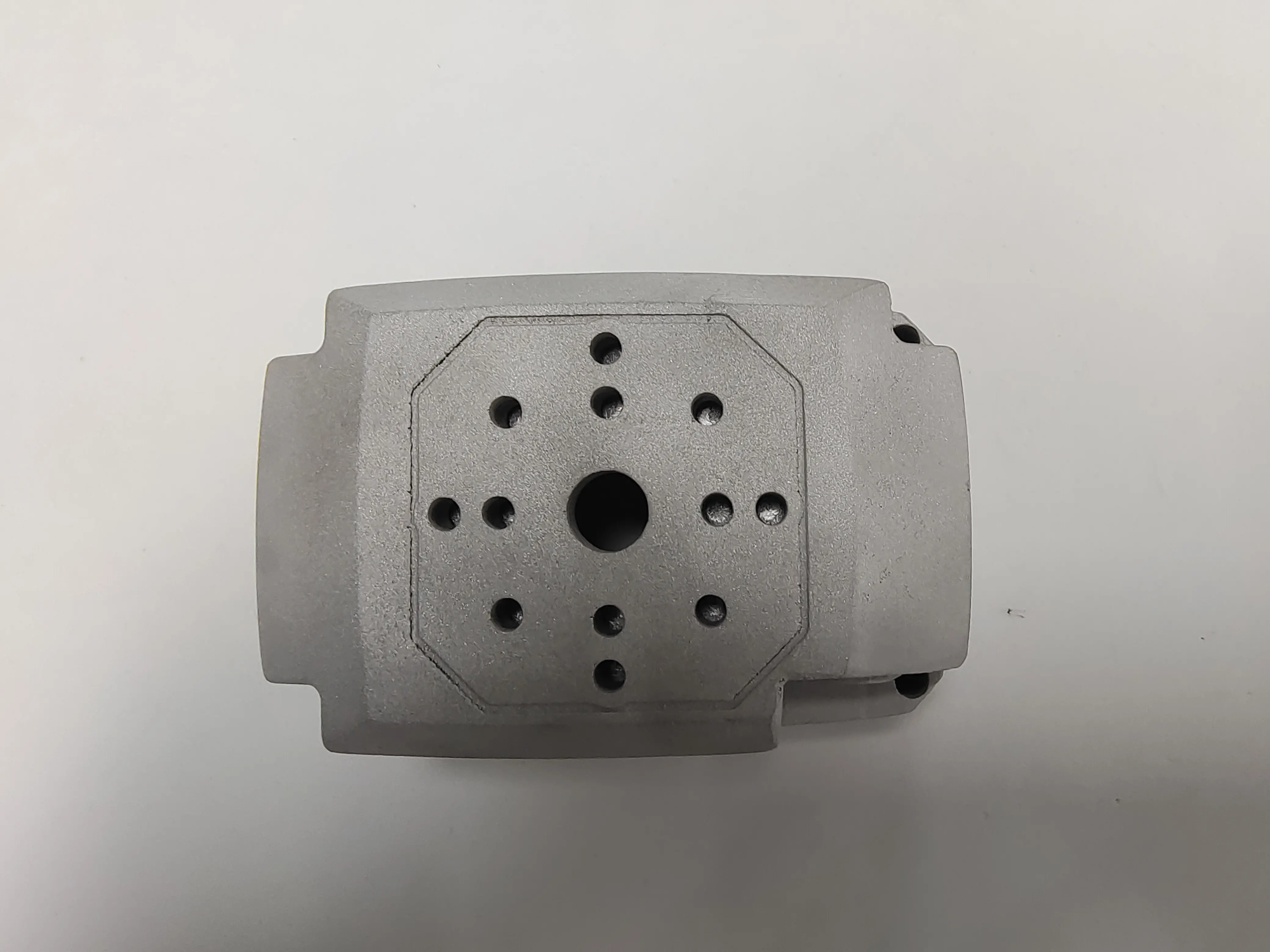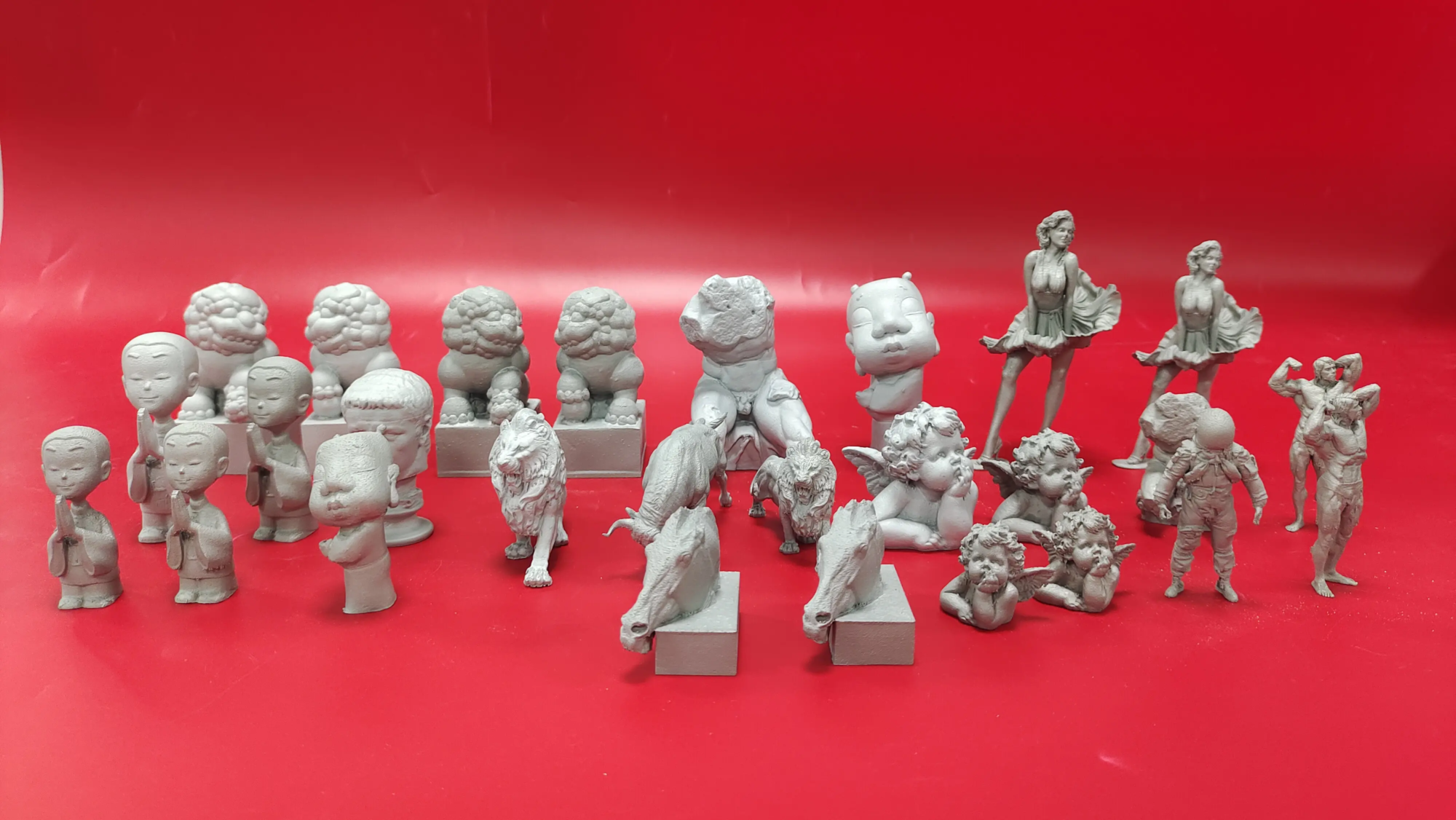
That ugly pitted top floor? Uncover and beat the 3D printed pillow
There’s nothing more disappointing than peeling a promising print off a printboard, only to find that its top surface is marred by unsightly bumps, pits, or a twisted, pillowy appearance. This common flaw is aptly named "Pillow," The problem that plagues FDM/FFF and resin printers is that they compromise aesthetics, functionality, and part strength. Understanding root causes and implementing targeted solutions are key to achieving perfect results. Let’s dive into the science and practice of overcoming pillows.
What exactly is a pillow?
Pilling manifests itself as defects in the top surface layer. Instead of looking smooth and solid, it:
- Sagging or blistering: The area where the top layer hangs down into the gap below.
- Pit or hole: Small voids are scattered throughout the top layer.
- ridge or "Hiccups": There are raised lines where material has accumulated unevenly.
- Wavy or uneven texture: Surfaces are often uneven, bumpy and lack consistency.
This defect occurs when the top solid layer fails to effectively bridge the hollow structure (mainly the infill pattern) beneath it.
Uncovering the Root Cause: Why Top Levels Fail
The pillow is not random; it indicates an imbalance in the printing process:
- The top solid layer is not deep enough♀堋: This is often the culprit. The top solid layer acts as the structure "skin" Seal the filling underneath. Too few layers lack the structural integrity and thermal mass to evenly span the gap without sagging or buckling. Imagine trying to stretch a piece of plastic wrap over a grate – it will soak into the holes.
- Low fill density/poor fill pattern: Lower infill percentages create larger gaps and longer unsupported spans for top floor bridging. Less dense patterns, such as grid or honeycomb, provide wider unsupported areas than denser patterns.
- Insufficient cooling: The top solid layer requires proper cooling to solidify quickly and maintain its squeezed shape before gravity takes effect. Insufficient cooling causes hot, malleable filaments to sag into the gaps below. This becomes more important as the extrusion speed increases or the layer becomes thicker.
- Printing temperature is too high: While high temperatures aid interlayer adhesion, superheated filaments remain fluid longer before cooling and solidifying, increasing their susceptibility to sagging and deformation under their own weight.
- Printing speed is too fast: High speeds coupled with insufficient cooling can exacerbate the pillowing phenomenon. The extruder deposits molten plastic faster than the deposited layers can solidify and stabilize, reducing their ability to effectively bridge gaps.
- Insufficient extrusion: Even slight under-extrusion means the extruded line width is narrower than expected. These thinner strands have lower material strength and thermal mass, making them weaker and more likely to sag or fail to form a continuous skin. Random gaps caused by intermittent underextrusion manifest directly as pits.
- Thin Wall/Perimeter Count: Sometimes related to insufficient extrusion or thin perimeters, weak perimeter lines may not provide enough support structure at the edges for the top layer to anchor properly.
Arm Yourself: Proven Strategies to Prevent Sleeping
Solving pillow problems requires a systematic approach to address the causes:
- Add a top solid layer: Start here. For FDM, gradually increase this setting (usually located "shell" or "top/bottom" set up). A good starting point is 4-6 solid top layers. Monitor results – depending on layer height and infill, you may need upwards of 8 to achieve perfect flatness on large surfaces. Solid resin prints have no filler, so make sure you have enough top skin layer set in your slicer.
- Increase filling density: Increase fill percentage. Aim for 20-30%+ as troubleshooting steps. Switch to a padded pattern known for better bridging support and a tighter knit structure, such as "straight line," "gyroscope," or "cube." Higher density provides more scaffolding for the top layers.
- Optimized cooling: Make sure your part cooling fan is working Run at 100% speed for top hard layers. Verify ducts direct airflow effectively across the entire nozzle/print zone. If finances permit, consider upgrading the fan or cooling duct design to obtain stronger airflow. Slow down printing speeds slightly if cooling struggles to keep up.
- ** Caliber