Unlock Your Dungeons: The Complete Guide to Free D&D Micro 3D Printable Files
The clatter of dice, the quiet sound of anticipation around the table, the collective gasp as the Dungeon Master reveals the terrifying creature that emerges from the shadows… miniature characters breathe life into Dungeons & Dragons’ narrative. But filling your table with a variety of heroes, villains, and formidable foes can be expensive and restrictive. Enter the revolutionary world of 3D printing – your direct gateway to an infinitely customizable menagerie. The most important thing? A vibrant community generously shares thousands of Free D&D Micro 3D Printing Files. This guide will unlock the secrets to finding, printing, completing, and unlocking your next epic encounter.
A Thriving Ecosystem of Free D&D Printables
Gone are the days when custom miniatures were solely the domain of expensive licensed kits or master builders from scratch. Driven by passionate creators in the TTRPG community, platforms dedicated to sharing digital designs are exploding. Sites like Thingiverse, Printables, Cults3D, MyMiniFactory’s free section, and Patreon freebies feature tons of monsters pulled straight from the Monster Manual, tons of unique character classes, intricate terrain fragments, and stunningly large creatures – all available as STL files for zero-cost download. Publishers like Wizards of the Coast (creators of Dungeons & Dragons) also regularly release official free STLs, often coinciding with major book releases.
Browse the treasure trove: find and select quality files
While richness is a blessing, discerning quality is the key to successful printing. Not all STL files are the same. Navigation method is as follows:
- Platform Mastery: Focus your search on repositories known for quality control, such as MyMiniFactory (check their license restrictions), Printables, and Thingiverse. Use precise keywords ("D&D Owlbear STL," "Tabaxi Rogue Free STL"). Filter search by "free."
- The magic of tags and collections: Take advantage of platform tags (e.g. "Ding dong," "role playing games," "desktop," "miniature") and browse curated collections created by community members.
- Preview and photo testing: Always double check the preview render provided by the creator. Look for crisp details, supported poses, and defined features that suit miniature proportions. Or even better? Check out the user-generated photos showing actual print results – these photos reveal how the designs translate into reality.
- Creator Credibility: Favor creators known for consistent quality and well-supported models. Explore their other uploads. Well-known artists often have Patreons or stores, but their free products are often a good introduction.
- List link: Many creators release agents (often cleverly renamed) inspired by official monsters. Verify that the file is marked as "scary owlbear" Meet your expectations.
Turn digital dreams into tangible terror: print your mini book
Free STL is just the beginning. Turning them into table warriors requires a printer:
- Printer type: Resin printers (SLA/DLP/LCD) dominate the micro printing field. Its superior layer resolution can capture complex facial expressions, armor textures and micro-weapons better than fused deposition modeling (FDM) printers. FDM can work well for larger creatures or terrain, but has trouble handling fine details.
- Material matters: For resin printers, standard gray photopolymer resin is affordable and versatile. Later try using specialty resins (tough, flexible, colored) to achieve specific effects. For FDM, PLA is reliable and easy to use.
- Set as king: Success depends on calibrating the printer and microtome software:
- Resin: Floor height is crucial! Aim for 0.03mm to 0.05mm for high detail. Carefully adjust exposure time. Proper support is non-negotiable – learn about automatic support tools and manual optimization of your microtome.
- Frequency division multiplexing: Microprinting is advanced FDM. Tiny nozzles (0.2 mm or 0.3 mm), very slow speeds, fine layers (0.08-0.12 mm), optimized filling (~20%), and careful cooling settings are crucial. Expect the learning curve to be steeper.
- Directions and Support: Position the model to minimize large overhangs requiring support. Characters lying down may print better upright. Notice how removing points affects the final appearance.
Organizing Art: Improving the Quality of Your Prints
Original prints, especially resin prints, are not ready for the tabletop:
- wash: Thoroughly clean uncured resin prints in isopropyl alcohol (IPA) using a brush to remove sticky residue. FDM prints benefit from gentle cleaning to remove string or support residue.
- cure: Resin prints require UV curing to achieve full hardness and stability (using a UV curing station or strong sunlight). FDM prints stabilize once they cool.
- Supports removal and post-cure cleanup: Carefully remove the supports. Use a flat end mill, hobby knife, and sanding rod/file to gently clean away scars and burrs. Small pits may need to be filled with putty.
- Primer: Apply a spray primer (gray or black works well). This unifies the surface, reveals imperfections missed during cleaning, and provides teeth for the paint to adhere.
- Paints and varnishes: This is where your masterpiece comes to life! Primers, washes, dry brushing and highlights bring depth and character. Seal your paint job with a protective matte or satin varnish. Optional textures can be added to the base.
When hobby constraints are met, professional prototyping steps in
While printing your own D&D minis can be rewarding and economical, there are times when a true professional-grade prototype beyond the reach of a desktop printer is needed – perhaps complex terrain pieces, custom-designed miniatures for merchandising, intricate props, durable metal miniatures, or specialized functional components for complex game boards.
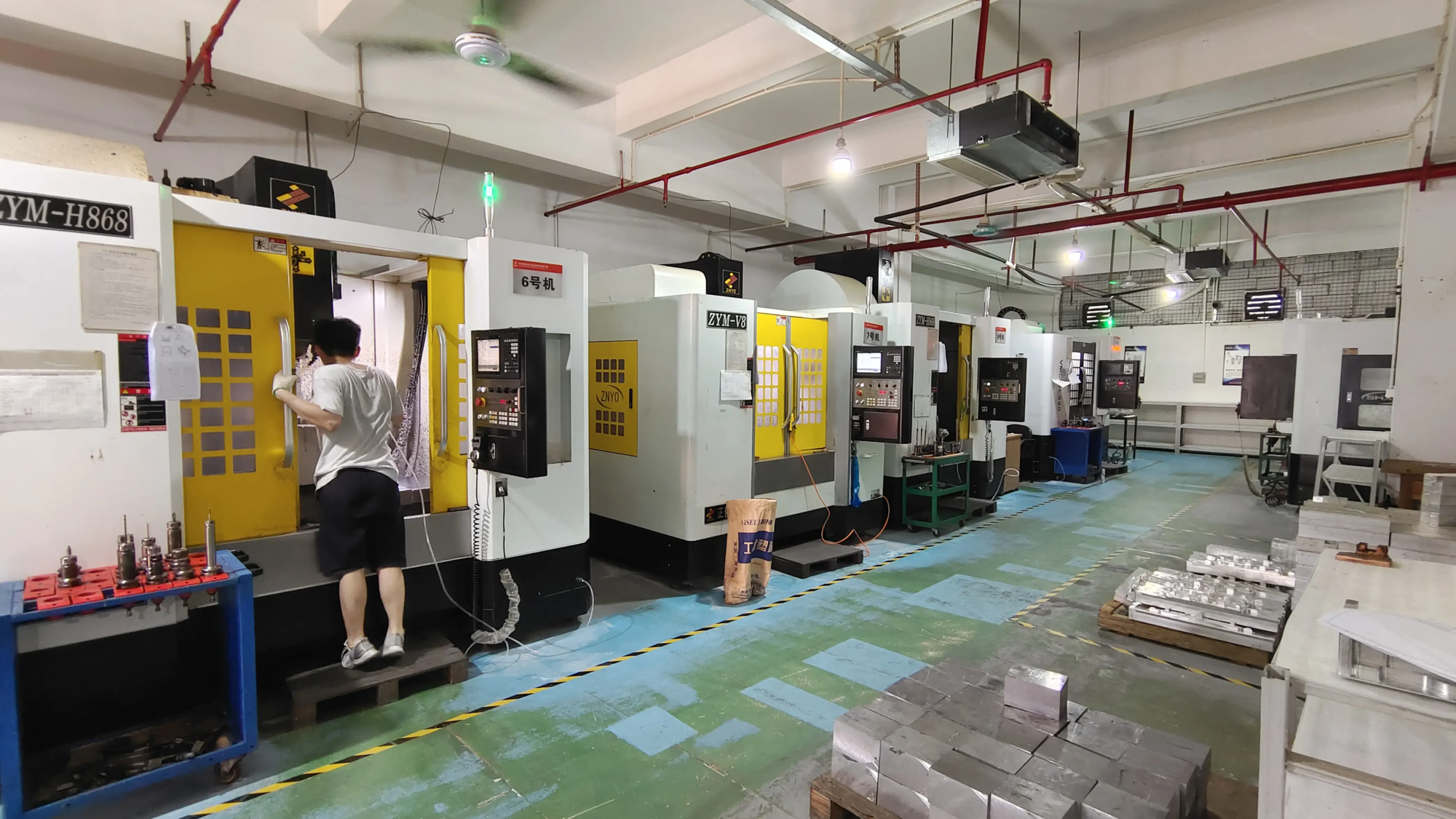
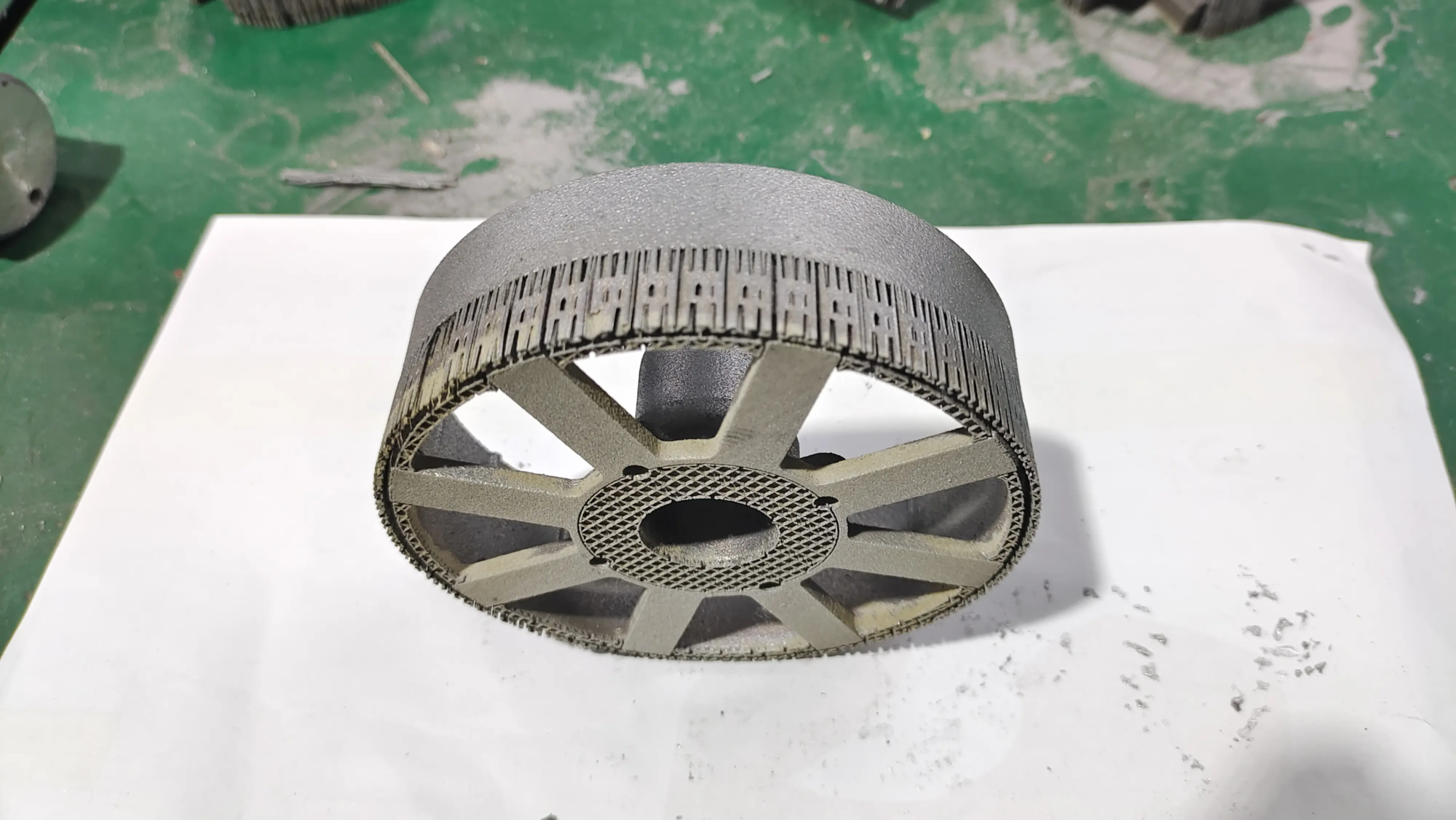
where is this huge light Step onto the battlefield. As a leading rapid prototyping manufacturer equipped with advanced SLM (Selective Laser Melting) 3D Printer, CNC machiningAs well as comprehensive post-processing facilities, GreatLight specializes in solving complex metal and high-precision prototyping challenges. We specialize in converting complex digital designs into strong, functional metal prototypes using materials such as stainless steel, titanium, and aluminum alloys—materials not available with desktop printing.
glow offer A true one-stop prototyping solution:
- Material mastery: From standard alloys to specialty metals, guided by your requirements.
- Precise execution: SLM provides incredible detail and strength for demanding applications.
- End-to-end finishing: Heat treatment, shot blasting, precision machining, polishing, electroplating – whatever post-processing your project requires, we can handle it seamlessly.
- Speed and scalability: Quick turnaround for prototypes and low-volume production batches.
- Expert consultation: Leverage our deep engineering knowledge to optimize your designs for manufacturability and functionality.
Looking for reliable prototyping support? Explore GreatLight’s rapid prototyping services And experience the accuracy difference!
in conclusion
The free D&D miniature 3D printable files are a game changer for TTRPG fans. They give people the freedom to play with an incredible variety of customizable characters and settings, inspiring creativity and immersion without breaking the bank. By mastering the process from sourcing reliable STL and proficient printing to meticulous post-processing and painting, you can populate your campaign world with unique and affordable heroes and horrors. Enjoy the journey of creating tangible adventures! Remember, for those high-stakes projects that require industrial-grade metal prototype accuracy and durability, partners like GreatLight are ready to bridge the gap between digital design and flawlessly crafted physical reality.
Frequently Asked Questions (FAQ)
-
Q1: Where is the absolute best place to find free D&D minigames?
- one: Not single "best" place exists, but universe of things, printed matter,as well as "free files" Part about my mini factory They are a top contender due to their sheer volume and active community. Also, check out the Patreon pages of popular miniature creators – they often offer free miniatures every month.
-
Q2: Are free STL files legal? Can I print/sell them?
- one: Legality and authority vary crazily. Be sure to check the license assigned by the creator! Common free licenses usually allow only personal printing and noncommercial use (e.g., Creative Commons noncommercial, nonderivatives). The sale of free STL prints is almost always prohibited unless explicitly permitted. Respect the creator’s terms—violating them harms the community. Files based on official D&D monsters/art are often proxies to avoid intellectual property infringement; selling them carries significant legal risks.
-
Q3: Can I print high-quality D&D minis on an FDM printer?
- A: Yes, but with some important caveats. You need a carefully tuned printer, a tiny nozzle (0.2mm or 0.3mm), Very The speed is slow, the layers are fine, and the calibration workload is heavy. Results will rarely match the standard details of a resin printer "28mm" Minifigure scale. FDM excels at handling larger creatures (dragons, giants), terrain, and landscapes.
-
Question 4: How fragile are resin models compared to plastic Games Workshop minis?
- one: Standard photopolymer resin prints can be more brittle than injection molded plastics like GW, especially with thin weapons or elongated features. "tough" or "ABS-like" Resin offers significantly better impact resistance at a slight cost premium. Regardless, always handle them with reasonable caution. Varnish also adds a layer of protection.
- Q5: I need a complex metal prototype assembly to create a custom gaming accessory. Can Weiguang help?
- Answer: Of course! This is exactly what Honglaite specializes in. Utilizing advanced SLM metal 3D printing and integrated CNC machining capabilities, we specialize in producing accurate, durable functional metal prototypes in a variety of alloys based on design files. From intricate mechanisms to rugged casings, our one stop shop Handles printing, necessary post-processing (machining, heat treatment, finishing) and inspection to deliver a prototype ready for rigorous use.
Ready to launch your marketing campaign with a custom mini? Start exploring the world of free STL today! Need an industrial-strength prototyping partner? GreatLight awaits your toughest challenges. Contact us today!