Unleashing Superior Sound: The Ultimate Guide to 3D Printing Subwoofer Enclosures
Integrating a subwoofer into an audio system changes the listening experience – from casual musical enjoyment to cinematic excitement. However, achieving deep, distortion-free bass relies heavily on one key factor: shell. Traditional box manufacturing often limits design possibilities, leading hobbyists and engineers to continue to explore 3D printing For precision, customization and acoustic optimization. This guide explores how 3D printing is revolutionizing sub-enclosure design, leveraging cutting-edge technology to unlock unprecedented sonic performance.
Why 3D print a subwoofer enclosure?
Traditional shells (MDF, fiberglass) have limitations:
- Geometric constraints: Complex curves/internal supports are difficult to machine.
- Material uniformity: Uniform density affects resonance control.
- Prototyping cost: Iterating on wood/acrylic designs can be time-consuming and expensive.
3D printing solves these problems by:
- True design freedom: Create organic shapes, integrated ports and optimized internal structures that are not possible with CNC or hand building.
- Material accuracy: Use an acoustically tuned polymer or metal with a consistent density.
- Iterate quickly: Quickly test multiple designs—ideal for prototyping.
Where science meets sound: design essentials for 3D printed junction boxes
1. Shell physics simplified
Enclosure type (sealed, ported, bandpass) determines bass response. Main principles:
- Air spring effect: Sealed box acts as "air spring," Control cone movement for tight, accurate bass.
- Helmholtz Resonance: The port design uses a tuned column of air to amplify specific frequencies.
- Compliance Adjustments: Match the cabinet volume to the woofer’s Thiele/Small parameters (Vas, Qts).
2. Optimize 3D printing
- Structural integrity: Incorporate internal latticework or ribbing to resist panel buckling (the main cause of deformation).
- Waveguide port: Designed with smooth flared ports to minimize turbulence and port noise.
- Material Damping: Layer the moistened material (such as bitumen sheets) inside after printing.
Materials: from plastic to metal
polymer:
- Polylactic acid/polyethylene terephthalate: Budget friendly; suitable for sealed low power enclosures.
- Nylon CF (carbon fiber): High stiffness-to-weight ratio; reduces resonance in port box.
- Resin (SLA): Smooth surface minimizes port turbulence; ideal for complex shapes.
Metals (industrial applications):
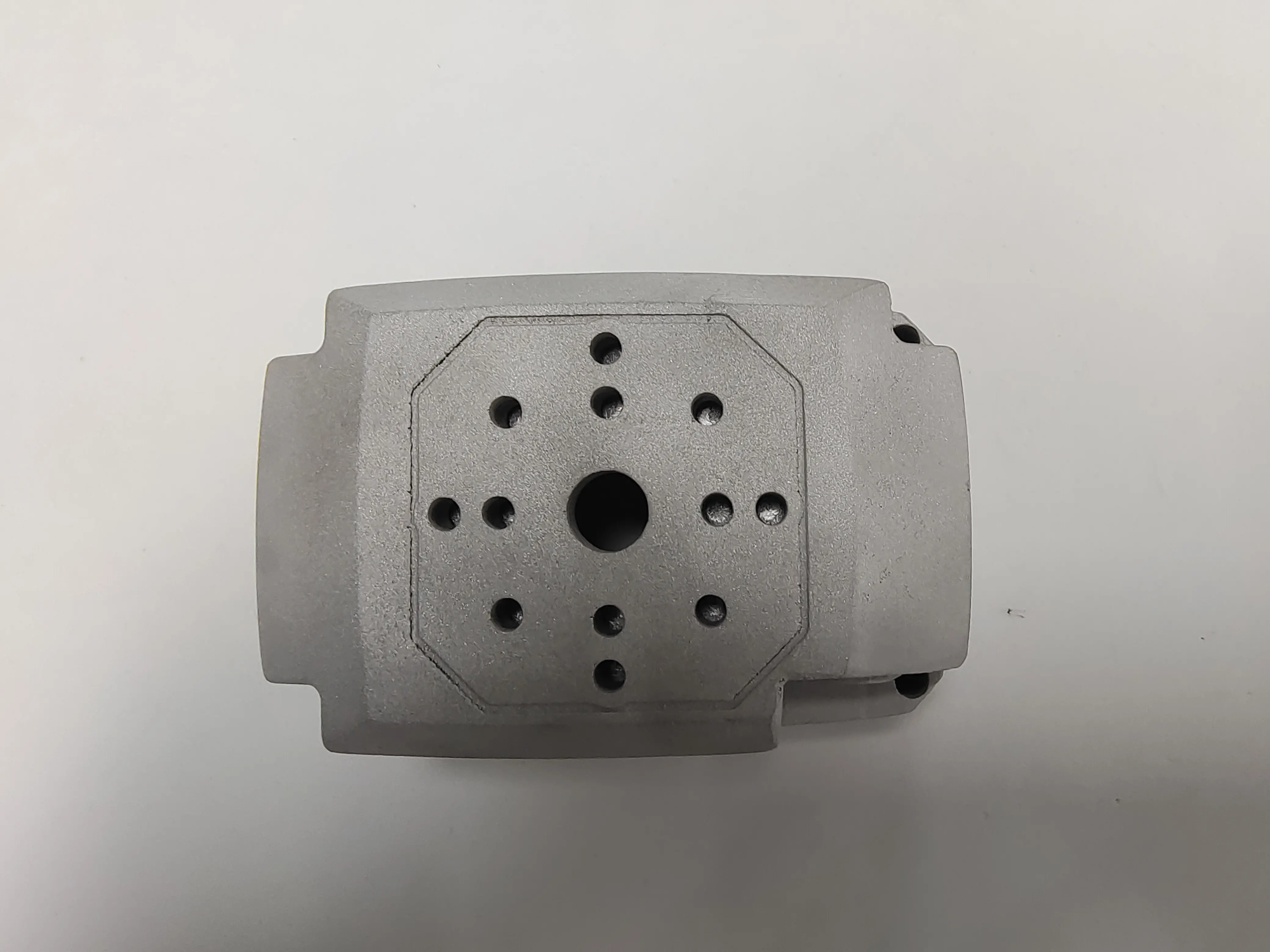
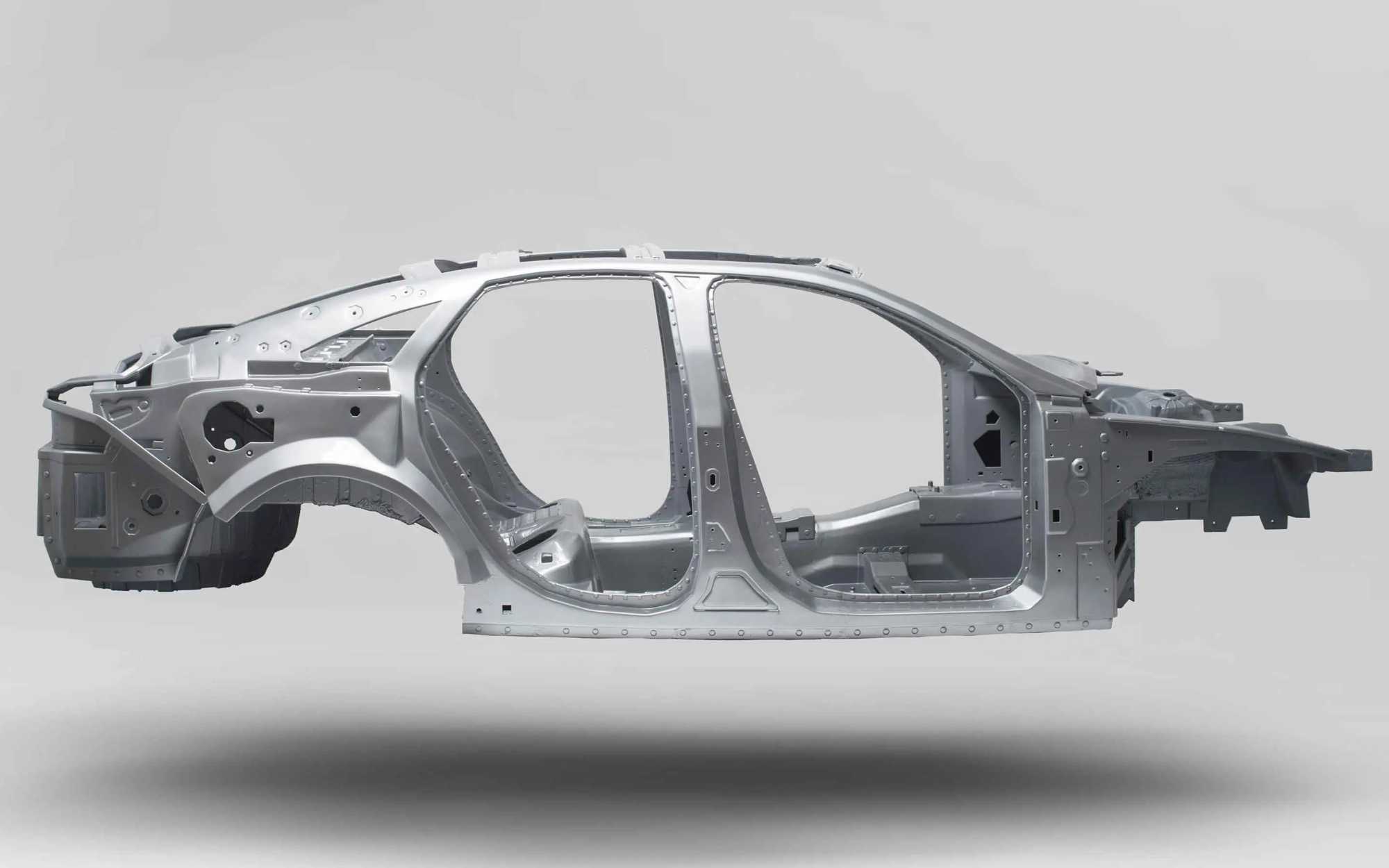
For high-power systems or aerospace-grade applications, metal printing completely eliminates panel resonance. GreatLight specializes in metal subbox prototyping using SLM (Selective Laser Melting)processing materials such as:
- Aluminum alloy: light weight and excellent stiffness.
- Titanium: The ultimate strength for extreme SPL (Sound Pressure Level) systems.
- Stainless Steel: Durability with acoustic damping properties.
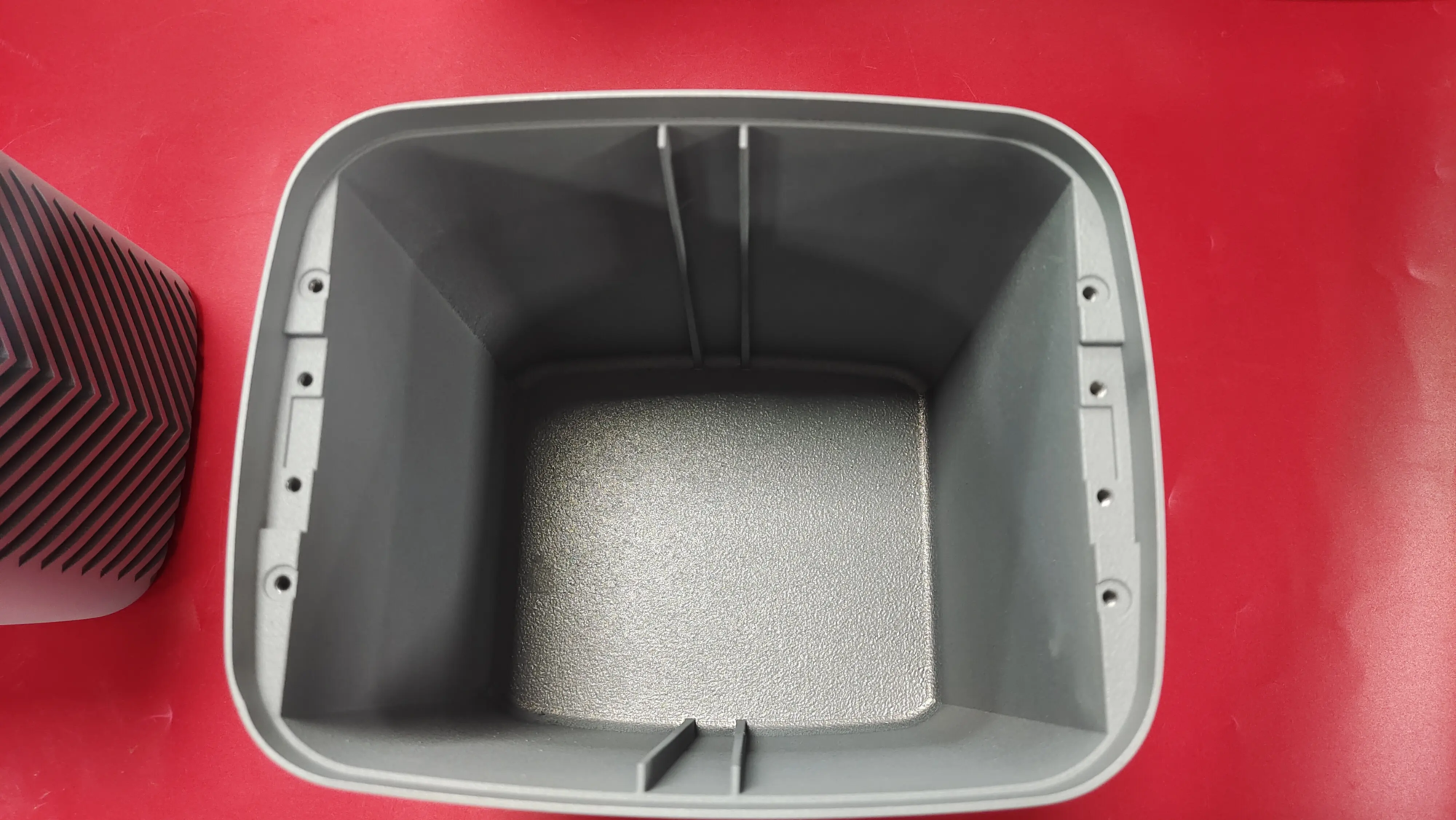
The parts undergo precision post-processing (CNC machined port flanges, smooth internal surfaces) to eliminate acoustic artifacts caused by layer lines.
Case Study: Achieving Performance Breakthroughs
A customer approaches huge light Subwoofer suitable for target 20Hz-80Hz reproduction in luxury cars. Restrictions:
- The trunk space is irregular and the surfaces are not parallel.
- Requires 1,200W RMS power handling capability.
Solution:
- The suitcase was 3D scanned and the complex curved shell was modeled.
- Use SLM printed aluminum end caps and internal support lattice.
- The SLA-printed PETG body section features integrated spiral ports for zero turbulence.
- Post-processing included internal smoothing and damping layer applications.
result: Distortion is reduced by 62% compared to MDF, with frequency response within ±1.5dB over the target range.
Advantages of working with industrial prototyping experts
For audio engineers or OEMs, working with a specialist manufacturer e.g. huge light Provide strategic advantages:
- End-to-end accuracy: Ensure sound fidelity from topology-optimized CAD to final finishing.
- Material flexibility: Prototypes are made in resin/nylon and then expanded to titanium for production.
- speed: Turnaround time is days instead of weeks – perfect for product development cycles.
- Cost effectiveness: Minimize waste and eliminate custom designed tooling costs.
Ferrite SLM technology Achieving tolerances within ±0.1mm is critical for port sizing and drive sealing. Combined with vibration-damping post-treatment (sandblasting, coating), these enclosures outperform conventional structures.
in conclusion
3D printing goes beyond traditional subwoofer enclosure manufacturing, blending the science of acoustics with manufacturing agility. Whether it’s prototyping a bass guitar amp or mass-producing a car subwoofer, something like SLM metal printing Let design be limited only by imagination, not by machinery. As audio systems move toward higher fidelity and personalized acoustics, rapid prototyping has more than just advantages; This is necessary. By utilizing precision materials, smart CAD, and expert finishing, your pursuit of perfect bass moves from compromise to reality. Partner with a service that transforms sound through innovation—demanding perfection down to the lowest octave.
Frequently Asked Questions (FAQ)
Q: Can 3D printed subwoofer cabinets match the sound quality of wood?
A: Of course – with optimized materials and design. Metal-printed shells are stiffer than wood (eliminating panel resonance), while advanced polymers like Nylon CF have damping properties comparable to MDF.
Q: Is 3D printing cost-effective for one-off automotive part installation?
A: For highly complex shapes that take advantage of wasted space in the car, yes. Industrial printing services such as GreatLight provide cost-effective prototyping. For simpler boxes, MDF is still economical.
Q: How do I seal the drive mounts/ports on the printed housing?
Glamping: Combining precise flange printing with O-ring grooves or gasket material. Post-processing ensures a flat mounting surface. For metals, CNC surface interfaces ensure a gas-tight seal.
Q: Can I use a desktop FDM printer to print sub-boxes?
Answer: Suitable for low power applications. Use PETG/Nylon CF, maximize wall thickness, apply epoxy interior coating to seal, and support the panels on the exterior. Avoid exceeding >200W RMS.
Q: What is the maximum size achievable?
Answer: Industrial SLM/SLS printers can build enclosures up to 50x50x50cm! Multi-part assemblies seamlessly bond the post-processing of large systems. Discuss scalability with your manufacturer.
Q: How important is post-processing?
Answer: Very critical. Layers of sanding/coating prevent