Taking Control of the Bed: Your Guide to the Ideal 3D Printing Bed Temperature
Every successful 3D printing starts from scratch – quite literally. The print bed is often overlooked next to the hot end and motion system, but it plays a vital role: safely anchoring your creation throughout its journey. besides bed temperature? It’s not just a matter of adhesion; it’s the master of conducting the complex thermal symphony that prevents warping, ensures bonding between layers and determines surface finish. If this is set up incorrectly, even the most detailed sliced models can appear lifted, curled, cracked, or severely damaged. This guide delves into the art and science of finding disaster relief ideal bed temperaturewhich is the cornerstone of successful printing that we at GreatLight continue to improve every day.
Why the bed temperature is so much more than that "adhesion"
Of course, a warm bed helps with the first layer of grip. But its impact is far more profound:
- Prevent warping and delamination: This is the main battle. As molten plastic (or sintered layers of metal powder) cools and solidifies, it shrinks. Uneven cooling = uneven shrinkage = internal stress. A properly heated bed will significantly slow down the cooling rate near the print plate, thereby reducing the stress gradient caused by the temperature gradient that pulls corners upward (warping) or separates layers (delamination).
- Improve first layer adhesion: The most obvious character. Softening the material-to-bed interface allows for maximum surface contact and molecular-level bonding.
- Improve overall layer bonding (especially near the bed): For FDM/FGF printers, keeping the lower layer slightly above its glass transition temperature (Tg) longer allows the incoming fused filament to fuse to the underlying layer more effectively, thereby increasing interlayer strength, which is especially important for the base layer of tall prints.
- Reduce peeling force: Higher bed temperatures make the plastic softer and more pliable near the bed, allowing it to better withstand the peeling forces exerted by the cooling of the deposited material above. Think of it as being built on flexibility.
Versatility: Factors that influence ideal bed temperature
While the material determines the core range, there are several universal factors worth adjusting for:
- Printer type: FDM/FGF are very different from resins and metals.
- FDM/FGF: focus on Extruded Thermoplastic Bonding and Thermal Management. The bed temperature range is wide (room temperature ~100C+).
- Resin (SLA/DLP/LCD): Mainly used at room temperature or slightly warmer (~30-40C) beds are primarily used to reduce resin viscosity to improve recoating and flow. True adhesion relies heavily on precise peel force and post-process curing. Temperatures exceeding 40°C will significantly shorten LCD life.
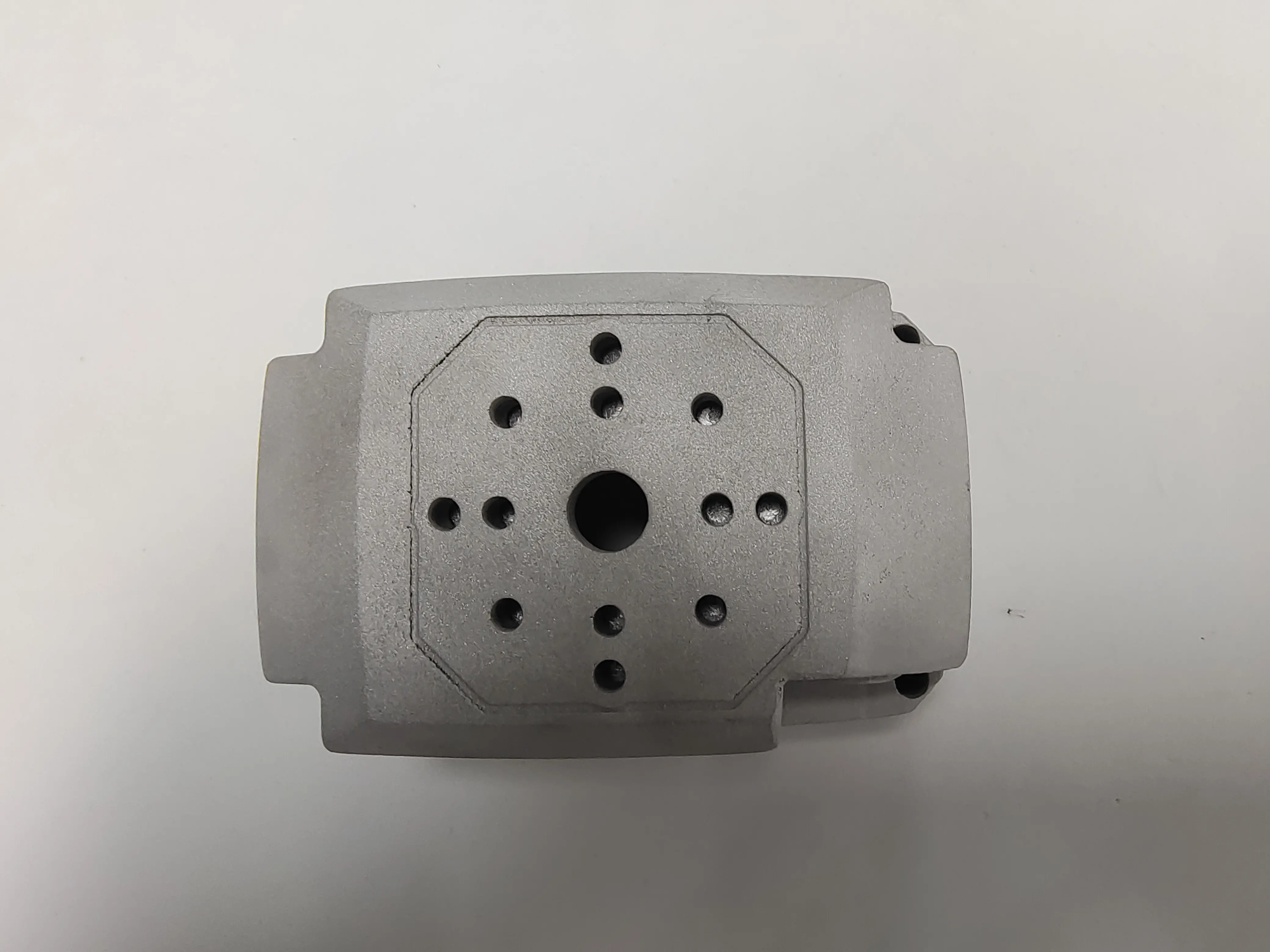
- Metal (SLM/DMLS): need Highly accurate, often very hot bed temperature (80°C to 200°C+, or even higher for certain alloys) using an electric heater integrated into the build platform. This is critical to managing the enormous thermal stresses inherent in metal melting/solidification cycles and preventing parts from deforming or cracking. At GreatLight, maintaining strict bed (and chamber) temperatures on our industrial SLM/DMLS systems cannot be ignored for functional titanium, aluminum or tool steel prototypes.
- Build the surface: The interaction of platform materials with heat is critical:
- Direct glass (borosilicate): Excellent flatness and uniform heat transfer. An adhesive (glue stick, hairspray) or coating (PEI) is required to achieve good polymer adhesion. Temperature needs to consider glass thickness/heat soak time.
- PEI/spring steel: The King of Surfaces for FDM. Adhesives are usually not required. maintain a consistent temperature to take advantage of its "Sticks when hot, loosens when cold" Attributes are optimal. avoid