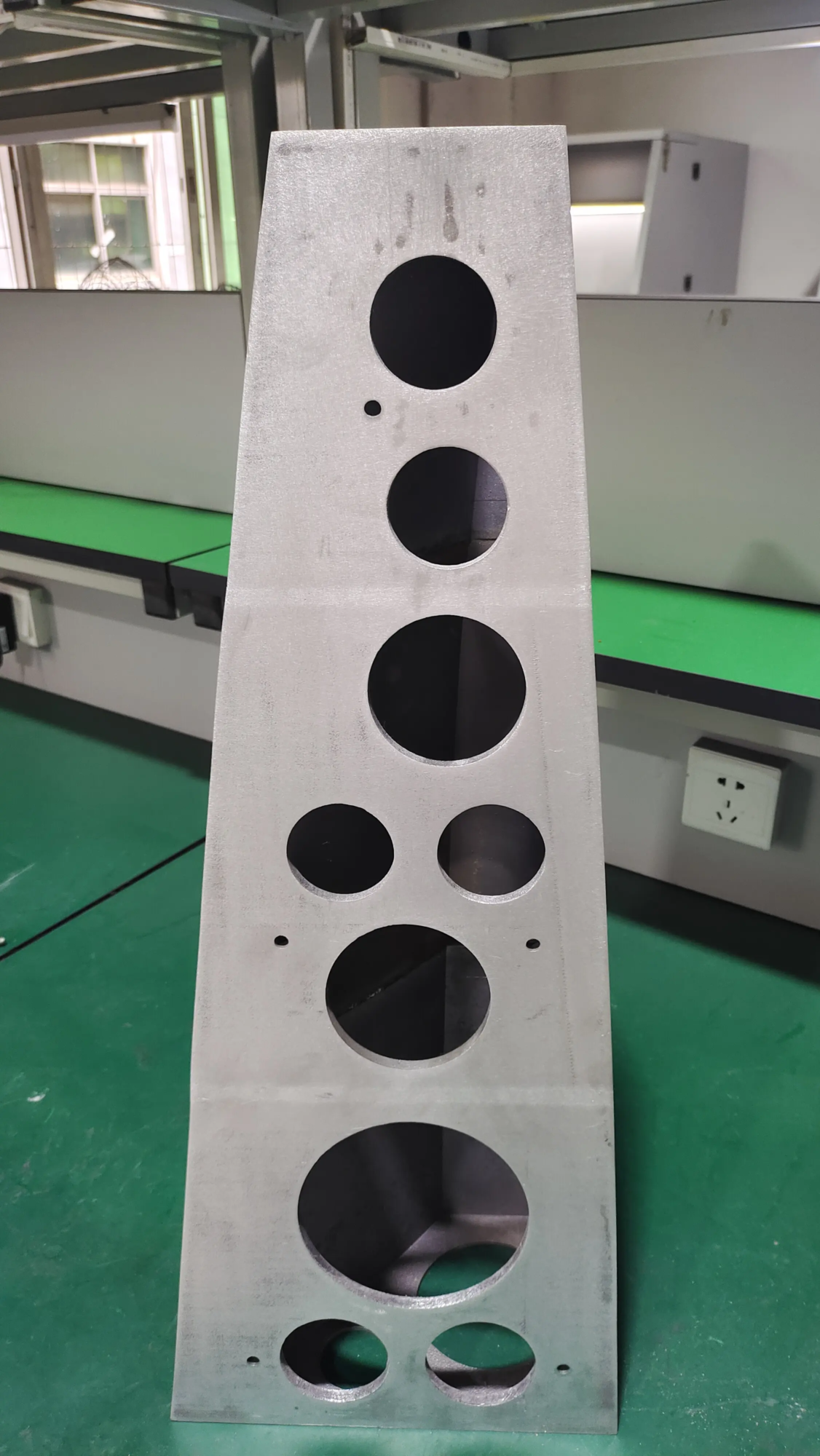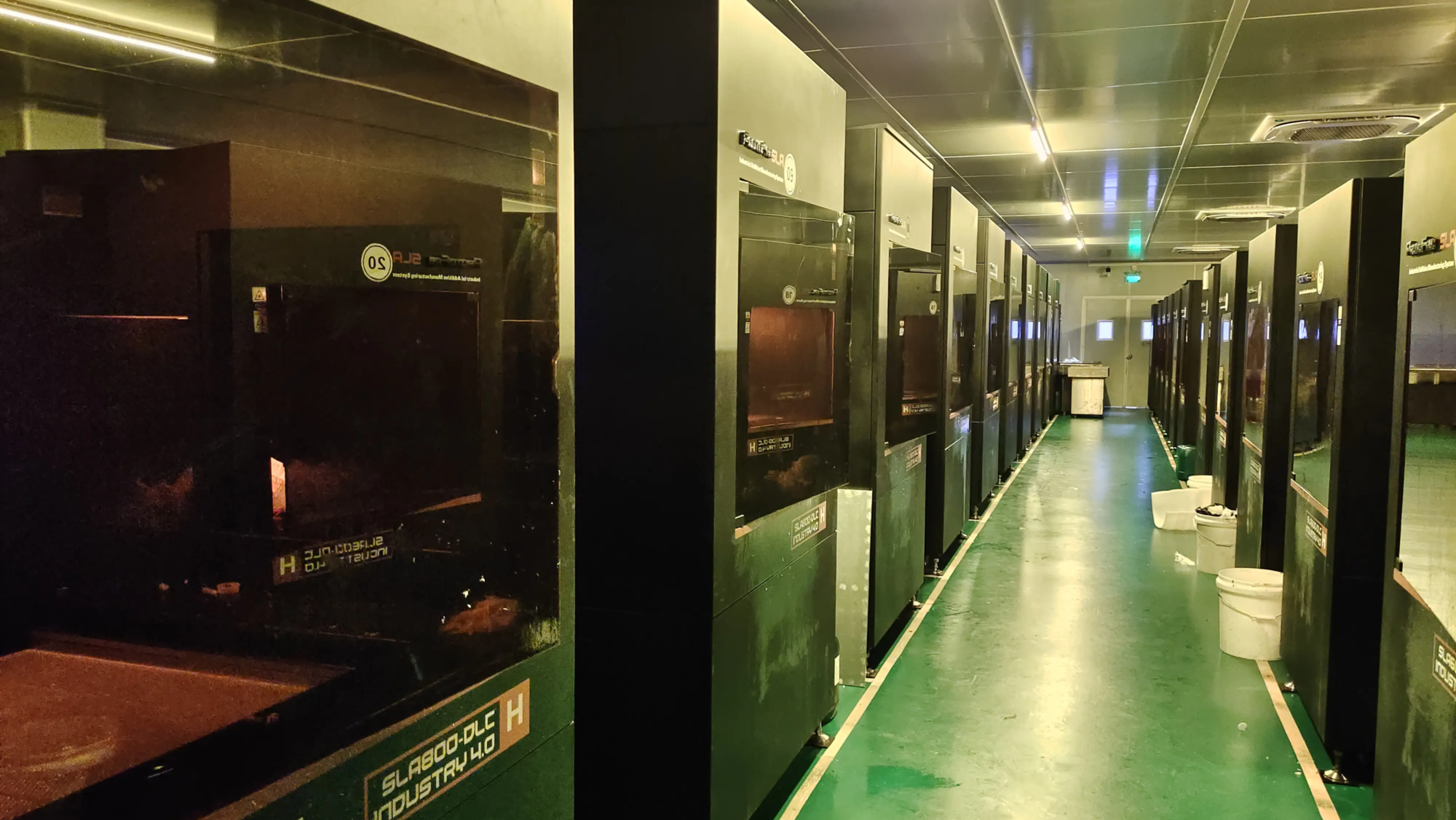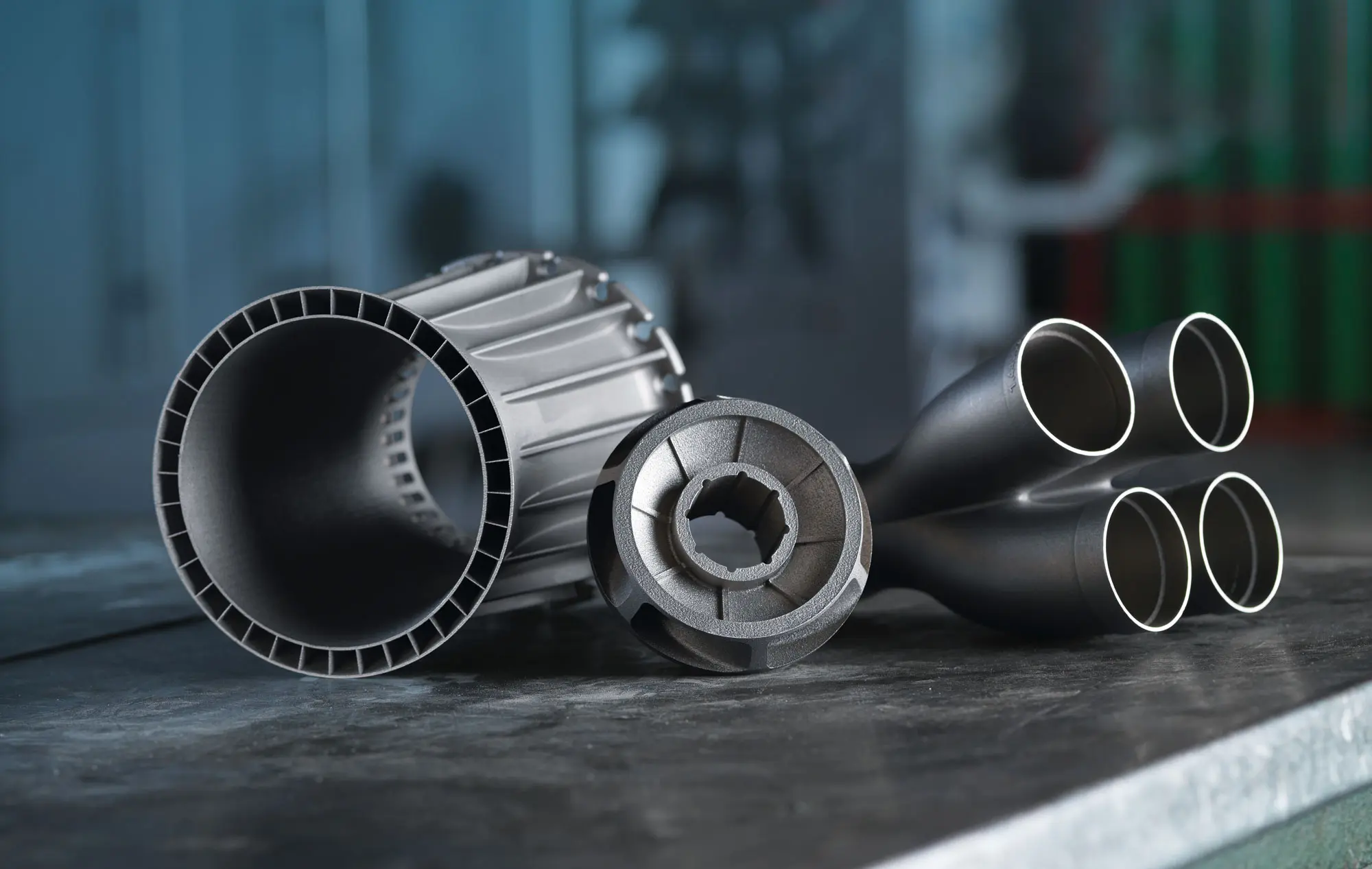
Unlocking a new dimension: the groundbreaking world of XL-size metal 3D printing
Over the decades, 3D printing has brought about radical changes. But scaling from desktop prototypes to industrial-grade large metal assemblies remains a daunting frontier. Today, this frontier is rapidly collapsing thanks to the convergence of revolutionary XL metal 3D printing breakthroughs. This isn’t just about making bigger trinkets; it’s fundamentally reshaping the way industry designs and manufactures heavy machinery, aerospace structures, energy systems and automotive giants. Let’s take a deeper look at the key advancements that are driving this leap.
Why size matters: The imperative for XL metal additive manufacturing
The demand for XL metal parts stems from compelling advantages:
- Complexity Newborn Dimensions: Foundries and subtractive methods have trouble handling complex internal channels or lattice structures in large parts. XL AM enables lightweight designs not possible with traditional methods.
- Parts integration: Combining multiple components into a single printed part eliminates assembly steps, potential points of failure, and significantly reduces overall weight—critical for aerospace and defense.
- Delivery time crunch: Manufacturing large die forgings is expensive and slow. XL printing greatly speeds up the prototyping and production of large, unique parts.
- custom made: Manufacture custom jigs, fixtures, molds or end-use parts for industries such as construction or power generation without high installation costs.
- Material efficiency: Additive processes, especially powder beds, use material only where it is needed, significantly reducing the waste of expensive metal alloys compared to subtracting material from a bulk blank.
Breakthrough #1: Huge envelope-building and industrialized mailing platforms
The sheer size of the machine defines XL printing. We are a company* Multi-laser mastering: Printheads feature 8, 10 or even 12 synchronized high-power lasers operating simultaneously. This is not just