Introduction to high temperature 3D printers
In recent years, the world of 3D printing has made significant progress, and the development of high-temperature 3D printers is one of the most famous innovations. These printers open up new possibilities for manufacturing complex parts and products with unique characteristics, revolutionizing industries such as aerospace, automotive and healthcare. In this article, we will dig into the world of high-temperature 3D printers and explore its features, applications, and benefits.
What is a high temperature 3D printer?
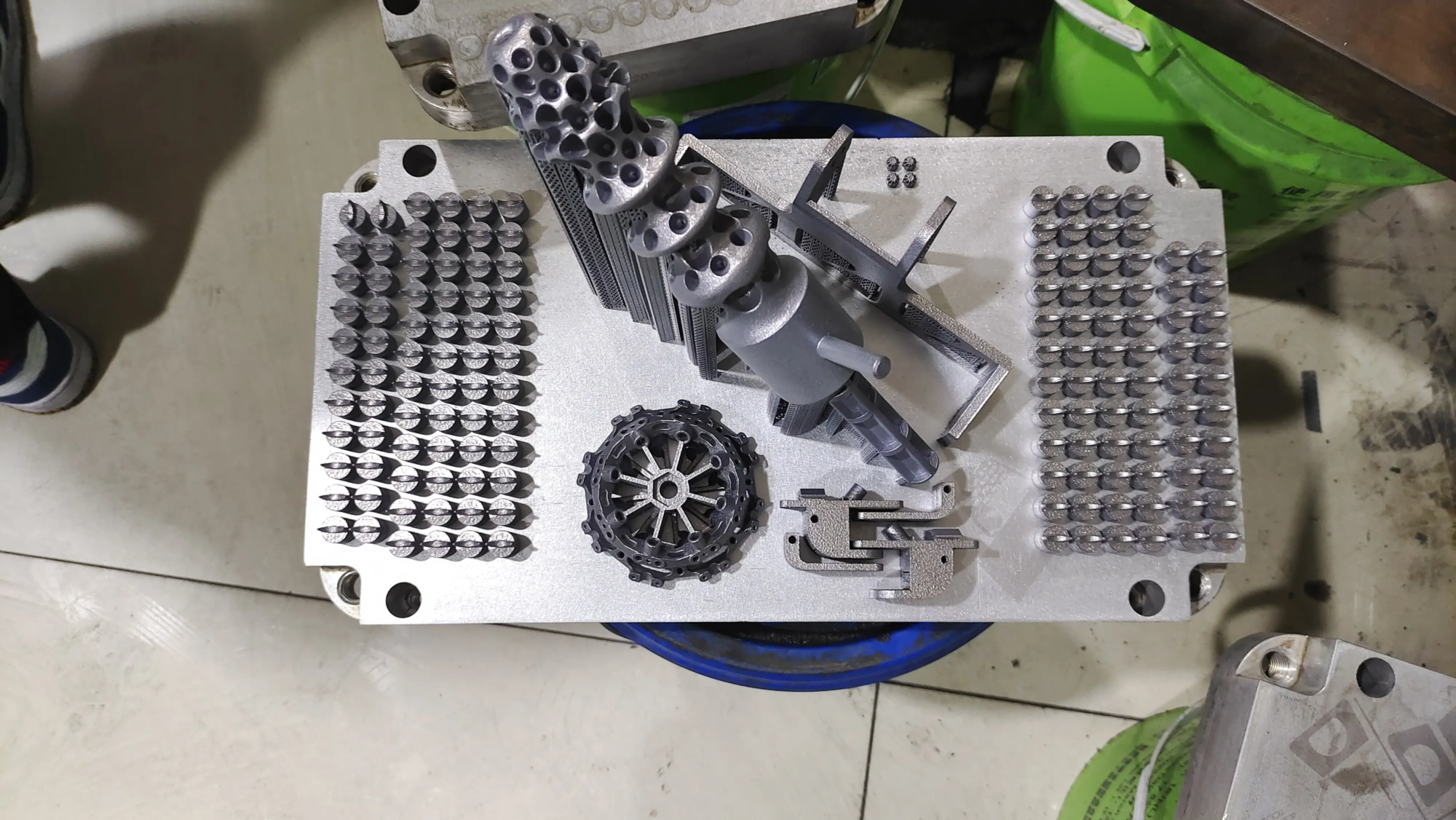
High temperature 3D printers are designed to operate at extremely high temperatures, usually exceeding 300°C. This allows them to use advanced materials that require high temperature melting and fusion, such as metal alloys, ceramics and specialized polymers. These printers use advanced heating systems such as laser or electron beam melting to achieve the high temperatures required to print with these materials.
Application of high temperature 3D printers
The applications of high-temperature 3D printers are diverse and rapidly expanding. Some of the most important uses include:
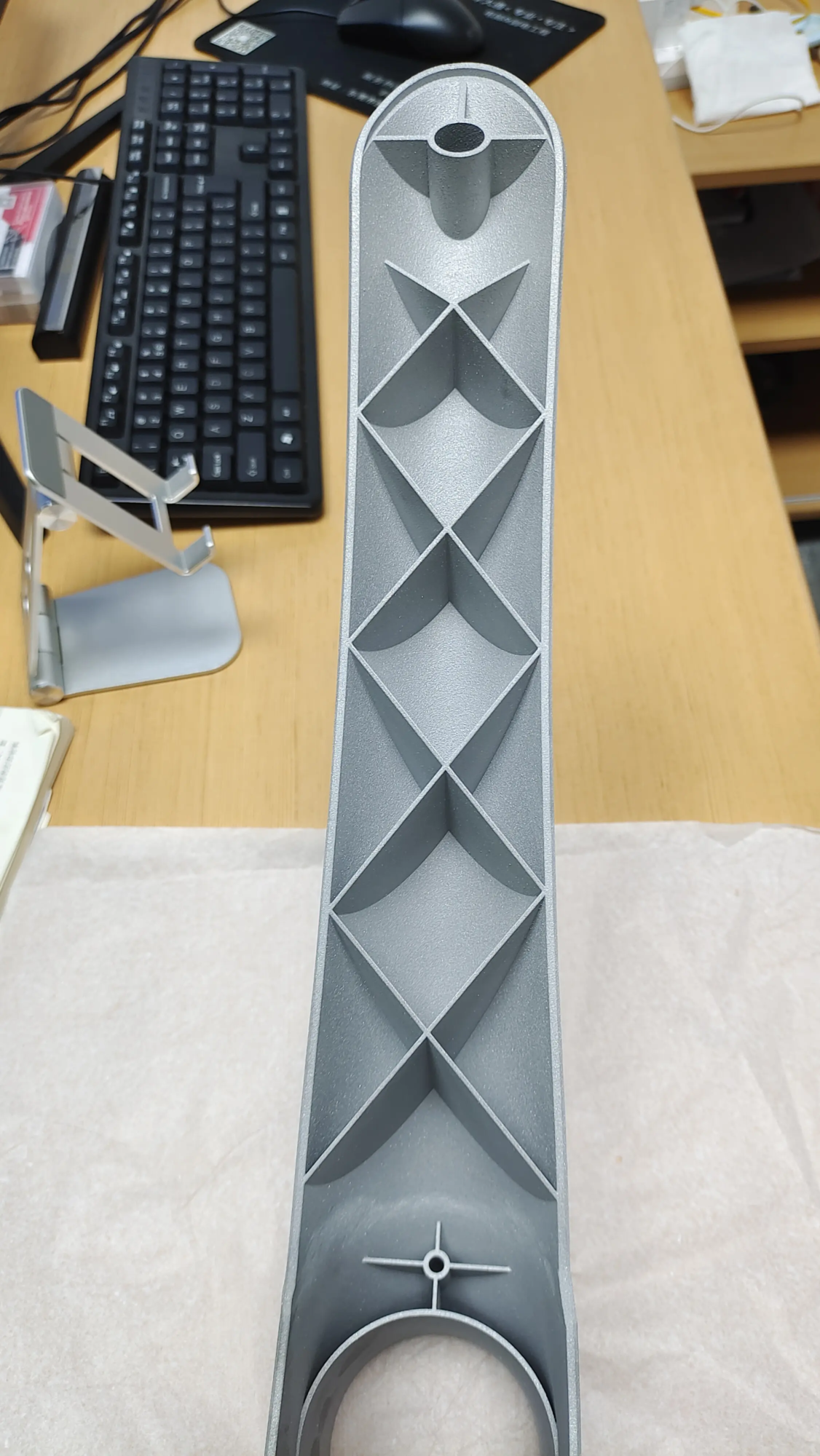
- aerospace: High temperature 3D printers are used to produce complex aircraft and satellite components such as engine parts, turbine blades and heat exchangers.
- car: The automotive industry uses high-temperature 3D printers to produce lightweight, high-performance parts such as engine components, transmission parts and exhaust systems.
- Health Care: High temperature 3D printers are used to create customized medical implants, surgical instruments and dental implants.
Benefits of high temperature 3D printers
There are many benefits of high temperature 3D printers. Some of the most important advantages include:
- Increase strength and durability: High temperature 3D printers can produce parts with enhanced mechanical properties such as high strength, stiffness and toughness.
- Improved thermal resistance: Parts printed with high temperature 3D printers can withstand extremely high temperatures, making them ideal for applications in the aerospace and automotive industries.
- Reduce production time and cost: High temperature 3D printers can quickly and efficiently produce complex parts, reducing production time and costs.
Challenges and limitations
Despite the many benefits of high-temperature 3D printers, there are challenges and limitations to consider. Some of the most important challenges include:
- High equipment cost: High temperature 3D printers are expensive to purchase and maintain, so many businesses and individuals cannot access them.
- Limited material options: Although research on developing new materials and technologies is underway, the range of materials currently available for use with high temperature 3D printers is limited.
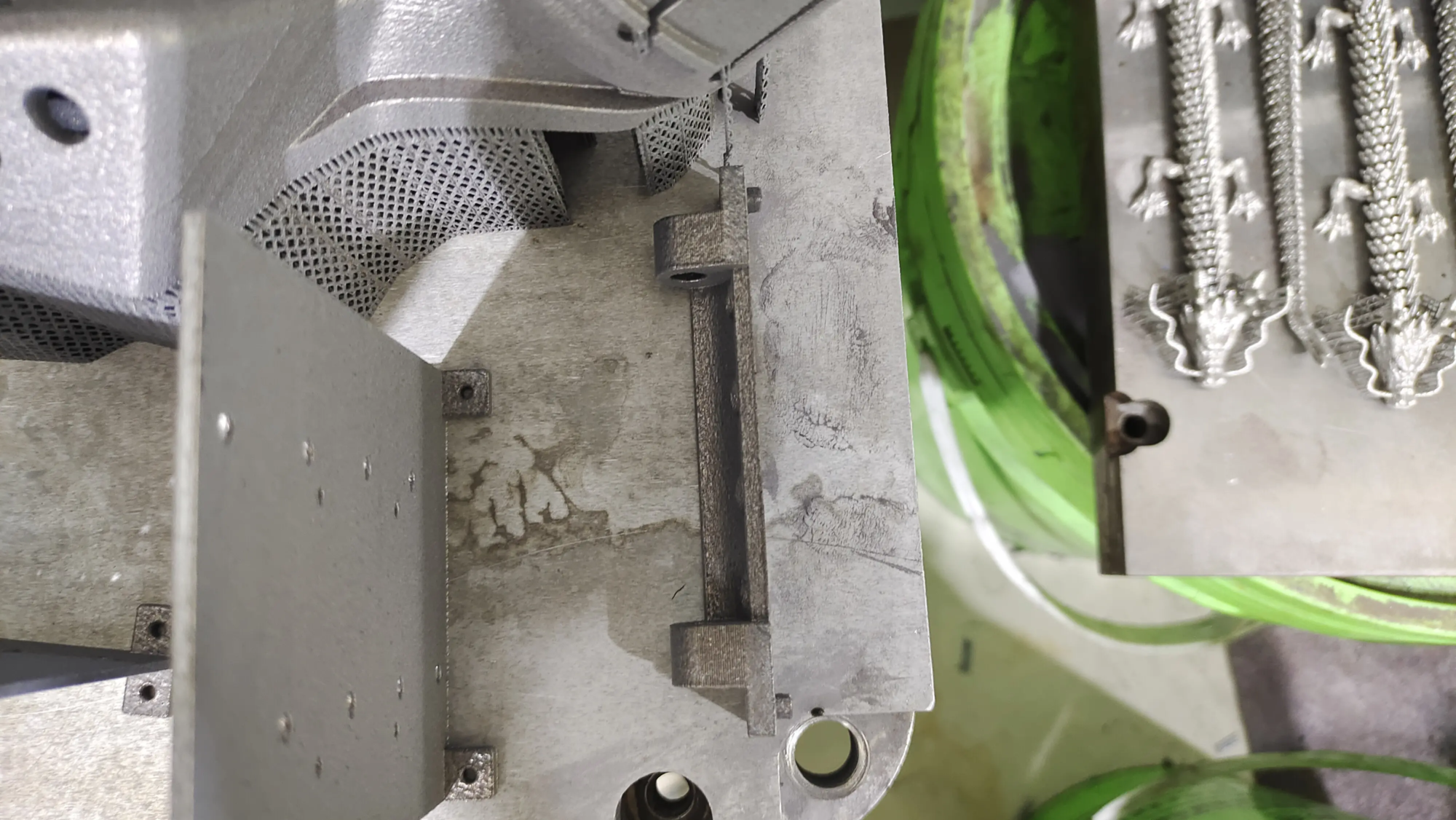
- Post-processing requirements: Parts printed with high temperature 3D printers often require additional post-processing, such as machining, polishing or coating, to achieve the desired properties.
in conclusion
High temperature 3D printers have revolutionized the manufacturing industry, enabling complex parts and products with unique characteristics. Despite the challenges and limitations to be considered, the benefits of high-temperature 3D printers make them an attractive option for industries such as aerospace, automotive and healthcare. As technology continues to evolve, we can expect to see more innovative applications and uses of high-temperature 3D printers.
FAQ (FAQ)
- Q: What is the maximum temperature that a high-temperature 3D printer can reach?
A: The maximum temperature that a high temperature 3D printer can reach depends on the specific technology and equipment used, but some printers can reach temperatures above 1000°C.
- Q: What types of materials can be used in high-temperature 3D printers?
A: High temperature 3D printers can be used with a range of materials, including metal alloys, ceramics and specialized polymers.
- Q: Are high-temperature 3D printers suitable for production-scale manufacturing?
A: Yes, high temperature 3D printers are suitable for manufacturing at production scale, although the cost and complexity of equipment can be a barrier for some businesses.
- Q: Does a high-temperature 3D printer require special training to operate?
A: Yes, high temperature 3D printers require special training to operate because the equipment and processes involved are complex and require a high degree of expertise.