Bringing the Halo Universe to Life: A Comprehensive Guide to 3D Printing Armor
The iconic armor from the Halo series is no longer just for Spartans. Thanks to easy-to-use 3D printing technology, dedicated cosplayers, and passionate fans, bringing a suit like Master Chief’s Mjolnir armor to life is easier than ever. But turning digital files into wearable, impressive armor requires a combination of technical knowledge, artistry and patience. This guide takes an in-depth look at the entire process, providing a roadmap for your journey.
Step 1: Lay the Foundation – Digital Files and Preparation
-
Find your blueprint: Your armor starts digitally. Find reputable 3D model sources:
- Community platform: Sites like Thingiverse, Printables, Myminifactory and dedicated Halo cosplay forums like The 405th are all gold mines. Look for a designer known for role-play friendly files.
- debug: For unique interpretations or highly specific builds, consider hiring a skilled 3D modeler.
- Key considerations: Make sure the file is designed For wear resistance. Look for pre-sliced parts, alignment marks, scaling references, and joint considerations (especially knees, elbows).
- Popular Armor: MJOLNIR GEN3 (Halo Infinite), ODST, Marine and Reach Spartan variants are all rich choices.
- Slicing software mastery: Your 3D printer needs instructions. Slicers like Cura, PrusaSlicer or Simplify3D convert 3D models into printable layers (G-code):
- Zoom ratio: This is critical. Measure yourself carefully (chest, waist, shoulder length, arm/leg length). Use scaling references typically included in the file or consistently scale digital models based on key measurements. Remember to clear customs! The armor should not squeeze; it needs to fit within the garment/closure.
- direction: Position parts to minimize support material and maximize strength. Flat surfaces are usually face down for best print quality. Bend steep sections strategically.
- support: Crucial for draping. Use tree supports whenever possible (less material, easier to remove). Carefully adjust density and contact points. Heated resin baths (for resin printing) sometimes require customized support strategies.
- filling: internal structure. PLA/PETG armor is typically 15-30%. Higher fill levels (e.g., 40-50%) will increase weight but may be required for thin structural parts or connection points.
- Floor height: Lower layers (0.15-0.2 mm) provide a smoother surface but significantly increase print time. Balance is key; think higher on the inner surface.
- Wall/Perimeter: Use at least 3-4 walls/perimeters to ensure durability. More walls add rigidity without significantly increasing weight or fill percentage.
- Print speed: slow down! Complex geometries can easily overheat. Lower speeds (40-50 mm/sec) can significantly improve the layer adhesion and surface quality of PLA/PETG.
Step 2: Print Run – Select Material and Machine
-
Material matters:
- People’s Liberation Army: Most accessible. Easy to print, wide color range, low warpage. Disadvantages: fragile under pressure/impact, poor heat resistance (may deform in hot conditions/in cars). Suitable for beginners, details, decorative pieces.
- Polyethylene glycol: Excellent balance. More flexible/impact resistant than PLA, better heat resistance (less deformation), slightly stronger interlayer adhesion. Printing (threading) is slightly more difficult and requires precise temperature/adhesion. Ideal primary material for primary armor sections.
- ABS: Historically popular, rugged and durable. Need heated bed and Enclosed chamber prevents severe warping/cracking. Odorless fumes are emitted – good ventilation/breathing equipment is required. Acetone smoothing (steam bath) is usually required.
- ASA: Similar to ABS, but with higher UV resistance (suitable for outdoor meetings) and less prone to deformation. Ventilation/enclosure is still required.
- Reinforcement filament: PLA+/PETG+ or composites (carbon fiber, GF) add stiffness/strength but require a hardened nozzle and are susceptible to wear on the extruder. Often overkill for standard armor.
- Resin (SLA/MSLA): Print an extremely smooth, detailed surface directly from the printer – perfect for intricate helmets or details. Much heavier than FDM prints when assembled Unless using specially designed "empty" set up. Limited bed size means more assembly seams. Cleaning toxic resins and IPA requires strict personal protective equipment (gloves, goggles, respirator). Fragile unless reinforced resin is used. Post-processing is crucial (cleaning, curing).
- Printer notes:
- Build volume: Crucial for helmets, breastplates, larger thighs/calves. Measure the maximum part size based on the printer bed size. Larger components often need to be cut.
- Bed adhesion: A must-have for large prints. Use a glue stick, a well-textured PEI/PEX board, Magogo adhesive, or a surface like BuildTak for optimal setup. Carefully leveled.
- shell: Highly recommended for larger prints (PLA+ in drafts may warp), and mandatory for ABS/ASA for insulation and draft protection. Crucial for consistent quality.
Step 3: Assembly and Post-Processing – Transformation
Printing is the messy, time-consuming but crucial stage where parts become armor.
-
assembly: Connect the parts:
- planning: Let everything dry before gluing! Plan connection points, overlaps, and hinge/pivot locations.
- method:
- Epoxy resin: Highly permanent structural bonding. Use reinforcing strips (fiberglass cloth or plastic squares) on interior seams.
- CA glue with accelerator (super glue): Bonds quickly and is suitable for smaller joints or difficult plastics. May become brittle; use plastic bonding CA formula.
- Plastic welding: Use a soldering iron or 3D printer pen and matching filament to melt the pieces together. Strong but requires skill to avoid unsightly seams.
- Foam pad: Strategically placed inside to enhance comfort, prevent rattling, and create standoff/comfort spots.
- Strapping/Hinges: Use internal nylon straps, buckles, and elastic to connect sections (e.g., torso to hips, shoulders to chest). Simple hinges (like those from the hardware store) are suitable for the forearm/calf.
- Post-processing: To achieve showroom completion:
- Support removal: Carefully peel/cut off the supports. Use flat end mills, precision cutters, sanding.
- Polishing: Most of it works. Begin with coarse sanding (60-100 grit) and aggressively remove support scars and delamination lines. Wet sand with medium grit (120-220 grit) and fine grit (320+ grit) for best finish. Focus on flat surfaces and curves that need to be smoothed. Tip: Sand primarily where the paint can hide imperfections; detailed grooves can usually be sanded less vigorously.
- Fill and Smooth:
- Wood Filler/Bondo Body Filler: Fill large gaps, scratches or dents. Apply and sand smooth. Bondo requires careful mixing and ventilation/respirator.
- Spot putty: Finer fillers are available for pinholes and minor imperfections. Apply in a thin layer and buff smooth.
- Resin/Vapor Smoothing: Chemical methods (such as acetone on ABS/ASA create a smooth surface). Extreme ventilation/safety precautions required. To get the perfect color, a primer/spray is usually still required.
- Primer: Critical steps before painting. A spray-on automotive filler primer or high-build primer provides excellent adhesion and helps reveal remaining imperfections during final sanding. Apply 2-3 coats, sanding lightly (400-600 grit) between coats. Create a unified gray base.
- painting: Create a spartan look!
- choose: Spray painting provides good coverage and is cost effective. Available in basecoat colors (OD green, black, silver), metallic and weather-resistant washes, matte/satin clear. The airbrush provides the ultimate control over gradients/details.
- masking: Stripes, embellishments, chiseled panels are key. Use good quality painter’s tape (Tamiya) and masking film/magnets. Cut curves smoothly. Multiple masking sessions are standard.
- weathering: Optional, but adds realism – dry brushing edges with silver/metallic paint to simulate scratches/chips, washed (highly diluted dark paint) settling in gaps to enhance detail, sponging technique to remove dirt, directional spray to remove dirt/scuffs. After weathering, seal with matte varnish.
Step Four: Final Touches and Dressing
- Clear Coat: Protect your paint job! Several coats of varnish (matte/satin/semi-gloss, depending on the effect) are essential for durability and paint protection. Allow time for complete curing.
- Internal padding: Comfort is king! Strategically bonded high-density upholstery foam (~1/2") Internal key pressure points (shoulders, helmet crown/chin, elbows, knees). Consider ventilation in the helmet – cooling fans are a common addition. Secure the liner with contact cement.
- Sun visor: Use replacement motorcycle helmet visor, polycarbonate sheet or vacuum/thermoform clear PETG/acrylic. Professional color correction.
- Electronic products: LEDs are very popular in helmet lights, chest fans, and Repulsor effects in H5-Infinite inspired builds. Requires knowledge of basic electrical circuits (resistors, switches, battery packs).
- Bundling system: Professional suits rely on safe, comfortable harnesses. Heavy duty nylon webbing (harness material), straps, buckles and D-rings are routed under/inside the armor to distribute the weight and secure the component securely to the body.
When Your Printer Isn’t Enough: Professional Prototyping Solutions
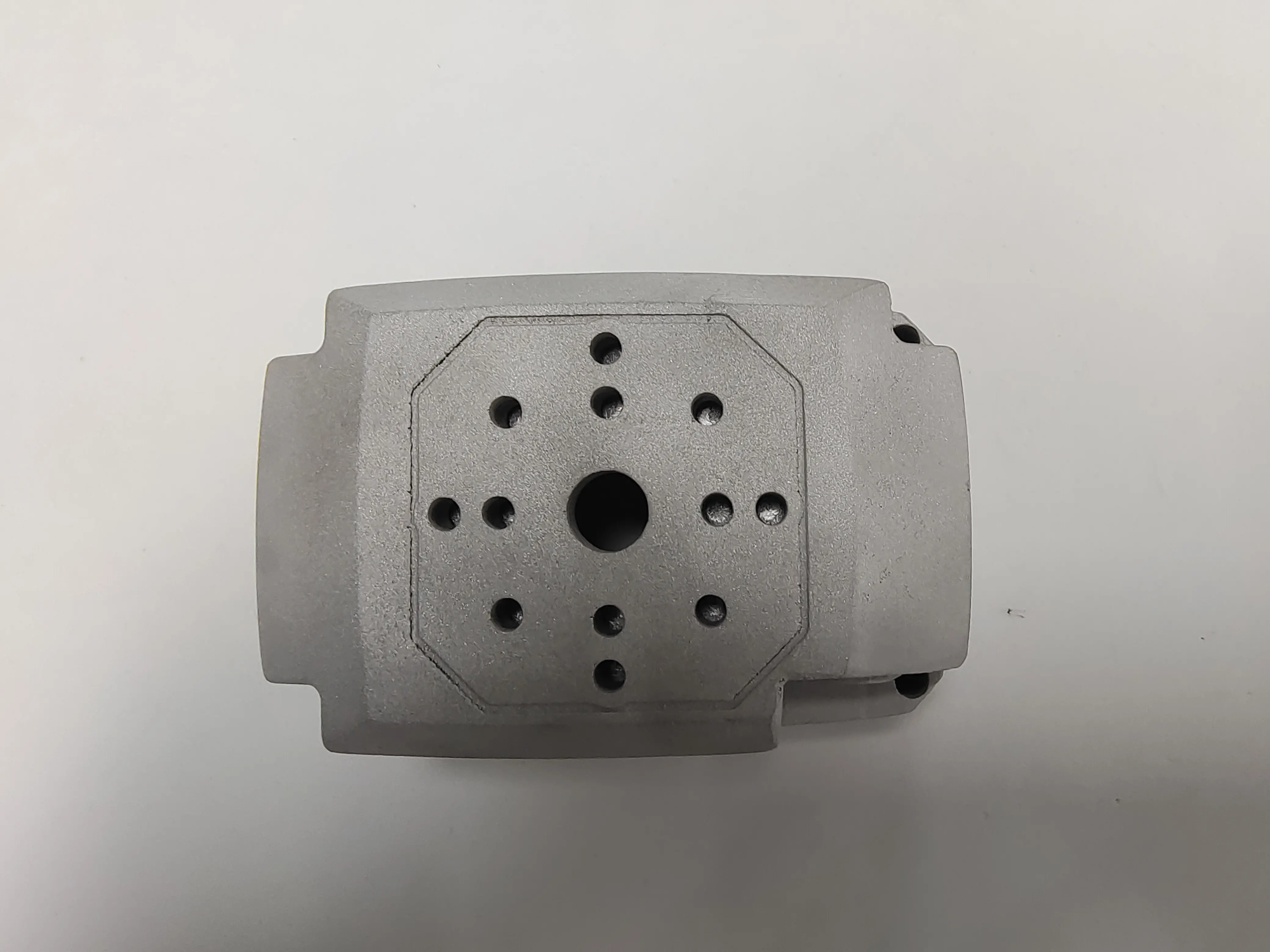
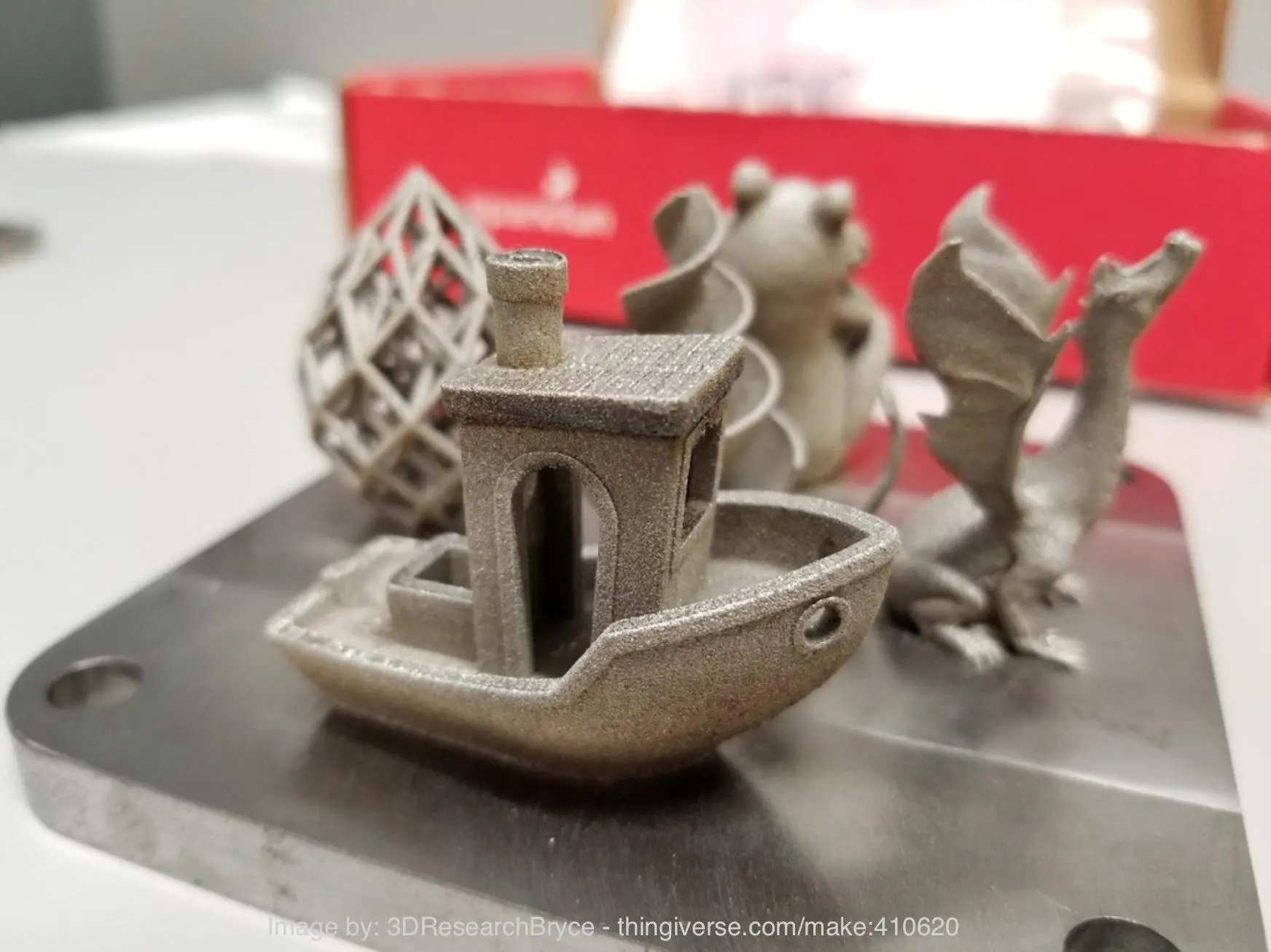
For truly ambitious projects – replicate the intense detail of Forerunner-inspired armor, craft incredibly lightweight articulated joints, or even explore Metal halo armor components – Professional rapid prototyping services offer capabilities well beyond the typical home setup.
great light, use State-of-the-art SLM (Selective Laser Melting) 3D Printer Together with advanced SLS and Multi Jet Fusion systems, it excels in producing complex functional prototypes and end-use parts, especially in Metal. They specialize in solving complex geometries, demanding material properties (strength, heat resistance), and lightweight optimization critical to high-end articulated armor projects.
their unique value lies in:
- Solve the challenges of complex metal parts: Expertise in mitigating warpage, managing internal stresses, and achieving fine features critical to realistic armor articulation (joints, locking mechanisms).
- One-stop organization: Comprehensive post-processing services ensure parts are ready for end use: precision machining to exact tolerances, surface treatment (anodizing, polishing, sandblasting) for required aesthetics or functionality, painting, mechanical assembly, quality control/grading/rework.
- Material range and customization: Utilizing aircraft-grade aluminum alloys (AlSi10Mg), titanium (Ti6Al4V), stainless steel (316L, 17-4PH) and specialized high-performance polymers/elastomers, products that mimic MJOLNIR armor specifications can be constructed.
- Speed and scalability: Ideal for tight deadlines or producing identical components for team/group role plays.
Conclusion: From Printer to Spartan
Creating the Halo armor via 3D printing has been an exciting, arduous and rewarding journey. It requires mastery of multiple disciplines: digital preparation, precision printing, meticulous post-processing, artistic painting and functional assembly. Success depends on preparation, patience, attention to detail, and strict adherence to safety protocols—especially with hazardous materials or heavy components.
For aspiring Spartans, start small. Print wrist guards or pauldrons. Sand, glue and paint the manageable components before working on the entire MJOLNIR kit. Remember, weight distribution and comfort are crucial – no one wants to be unable to walk comfortably or constantly adjusting the straps during Con Day.
Whether your journey relies on your own FDM/resin printer or utilizes advanced prototyping services such as huge light For complex/metal parts, the goal is the same: wear the boots of a Spartan, embody the toughness of an ODST, or show off the style of an MJOLNIR GEN3. Embrace the process, keep learning, connect with the community, and build your own Halo legacy. That last step into the session floor makes every hour spent sanding and aligning it absolutely worth it. Keep your shield fully charged!
FAQ: Answers to 3D Printing Halo Armor
Q1: How much does it cost to 3D print Halo armor?
- one: Costs vary greatly. A basic PLA/PETG Master Chief suit costs $200-$700+ just for filament. Add paint, sandpaper, glue, primer, foam, strapping, visors, fans, etc. and it can easily push it to over $500-1500. Resin printing adds significant cost due to resin prices and cleaning/curing equipment. Complex builds using metal/custom electronics or professional services are much more expensive ($3000+). Time commitment (hundreds of hours) is also a major factor "cost."
Q2: Is it better to use PLA or PETG for armor?
- one: PETG is generally more suitable for use in wearable armor. It’s tougher (less brittle), can withstand impacts/drops better, withstand ambient heat more effectively (like a hot conference room/car), and has stronger layer adhesion. PLA is easier to print, cheaper, and suitable for highly detailed parts with gentle handling (beware of helmets) or purely decorative elements.
Q3: Can I print the entire suit with a small printer?
- A: Yes, absolutely. Scaling is key. Larger pieces such as the breastplate and helmet need to be carefully broken into parts to bolt/glue together seamlessly. Looking for role-playing-specific content "slice" Files optimized for smaller beds. There is more assembly/seam hiding work involved.
Q4: How long does it take to print a whole suit?
- one: Printing times alone vary widely: estimates range from 200 hours (optimized slicing parts, smaller printers) to over 1000 hours for detailed large prints. Add 2-5x the time, evenly divided between support removal, sanding/filling, priming/sanding, painting/masking/weathering, assembly, filling, and strapping. Plan evenings/weekends for a few months to a year.
Q5: How do I attach parts that are strong enough for role play?
- one: Internal reinforcement is key. Don’t rely purely on butt joints. Use epoxy resin add Reinforcement strips are glued internally at the seams (cardstock thick fiberglass cloth, scrap plastic/acrylic sheets, CA dipped cardstock). If possible, design overlapping labels/slots in the model. Hidden bolts/nuts/ties ties for added security.
Q6: What safety equipment do I need? real need?
- one: Crucial: respirator Comes with organic vapor filter + P100 particle filter (for paint, primer, solvents, acetone, resin fume/resin printing). Protect your eyes. Chemical Resistant Nitrile Gloves Resin only and solvents. Good ventilation/fans to exhaust outside for resin printing/post-processing chemicals and sprays. Dust mask (+respirator) for sanding PLA/PETG (although less hazardous than resin).
Q7: Should I use Resin or FDM?
- one: Pros and cons:
- Frequency division multiplexing: Stronger/more flexible/tougher prints (PETG/ABS), lightweight and cheaper (USD/kg) relative to resin, allowing for larger build volumes. Cons: Visible layer lines require a lot of sanding and often painting/filling.
- Resin: Excellent detail resolution/quality direct to printer, ideal for complex helmets/small detail pieces. Fewer post-processing visible lines (still needs cleaning/curing). Disadvantages: Brittle (requires tough/ABS type resin), requires high safety (toxic), smaller maximum size, requires wash/curing station, heavier (unless professionally hollowed), a lot of Higher material/start-up costs.
- mix: Many cosplayers use a combination of resin for small/high detail helmets and FDM for larger core parts (chests, limbs).
Q8: Which one is easiest to start with?
- one: Small, less complex components:
- Forearm Protectors/Wrist Technical Wear
- Shoulder/shoulder armor
- Knee/Shin Pads (Bonus: Familiarity with the Straps).
- Simple side panels for chest/back
- side armor "buckle" (like halo 3 thigh)
- Avoid the helmet or the full chest/biceps/thighs as the first piece – they create complex assembly/issues.
Q9: How to add electronic devices (LED)?
- one: A basic LED circuit requires:
- LED: Efficiency/Cooling/Lifetime: 3528/5050 SMD configured as strip/module preferred.
- Resistors: Essential for limiting current Every LED! Use the Ohm’s Law Calculator online. Resistor wattage is also important – don’t overload it!
- Power Source: Lithium Polymer/Battery Packs Are Safer Than NiMH/Alkaline Battery Packs? Most of them are misnomers—— any Lithium battery chemistry must use protected cells and Charging protection circuit. Safer: Popularized "fire of trust" / Nominal rated capacity 18650s Mount with bracket is the safest. If applicable, consider a USB power bank with 5V conversion.
- Wiring connection: Common prototype wire~22AWG stranded copper wire. Do you need welding skills? Is quick connector/mini plug wiring easier? There’s heat shrink tubing everywhere!
- Switch + Housing: Tact SPST switches are sealed within a printed housing with a waterproof silicone/conformal coating?
- Routing: Minimize wire visibility; hide internally glued channels/paths where possible.
- Submit LED schematic/heating warning to cosplay forum/group for sanity check. Proper thermal management/camera lenses can avoid melted optics/disaster! Prioritize wearable circuit enhancement! Early prototyping/installation testing!