Rediscover Nostalgia: PS1 3D Printing Project for the Ultimate Retro DIY Experience
The PlayStation 1 is more than just a gaming console; It is a cultural artifact. Released in 1994, it was known for its groundbreaking 3D graphics, iconic startup sounds and legendary games like Final Fantasy VII and metal gear. Today, retro enthusiasts are blending classic nostalgia with cutting-edge technology – using 3D printing to recreate, restore and reimagine PS1 hardware. Whether you’re restoring a broken controller, building a custom display stand, or designing modern accessories, 3D printing can breathe new life into these vintage treasures. Here’s how you can enter the world of PS1 DIY projects.
Why 3D printing and retro gaming are a perfect match
The PS1’s hardware was notorious for aging parts, such as fragile controller clips or failing disc trays, making it ideal for a 3D printing solution. Unlike generic alternatives, 3D printed parts:
- keep it real: Replicate the original geometry down to the finest detail.
- Enable customization: Modify components for ergonomics, aesthetics, or modern compatibility (such as a USB-C charging port).
- Extend life: Recycle discarded consoles and use replacement parts that are not commercially available.
With easy-to-use CAD tools and affordable desktop printers, even beginners can get started on these projects.
Top PS1 3D Printing Projects Worth Trying
-
Controller Repair Kit
The classic PS1 controller suffered from cracked cases and worn buttons. Print replacement thumbsticks, trigger buttons or back cases using durable resin such as ABS-type resin for authentic texture. For metal-based durability (especially internal springs or triggers), consider stainless steel or aluminum sintering through a professional service to ensure longevity. -
PS1 Console Stand and Display Case
Display your console as a vintage piece of art. Design a tilting display stand with integrated cable management or a dust box with clear PETG panels. Add an engraved logo or custom vents using dual extrusion printing for multi-color accents. -
Cartridge holder and game storage box
Tired of scratched discs? Print vertical CD towers inspired by the PS1’s CD case aesthetic or modular organizers that snap together. Uses ASA filament to resist UV rays – perfect for sun-drenched playrooms. - modern accessories
Blending vintage charm with modern technology:- wireless controller adapter: A case for a Bluetooth board used to pair PS1 controllers with modern devices.
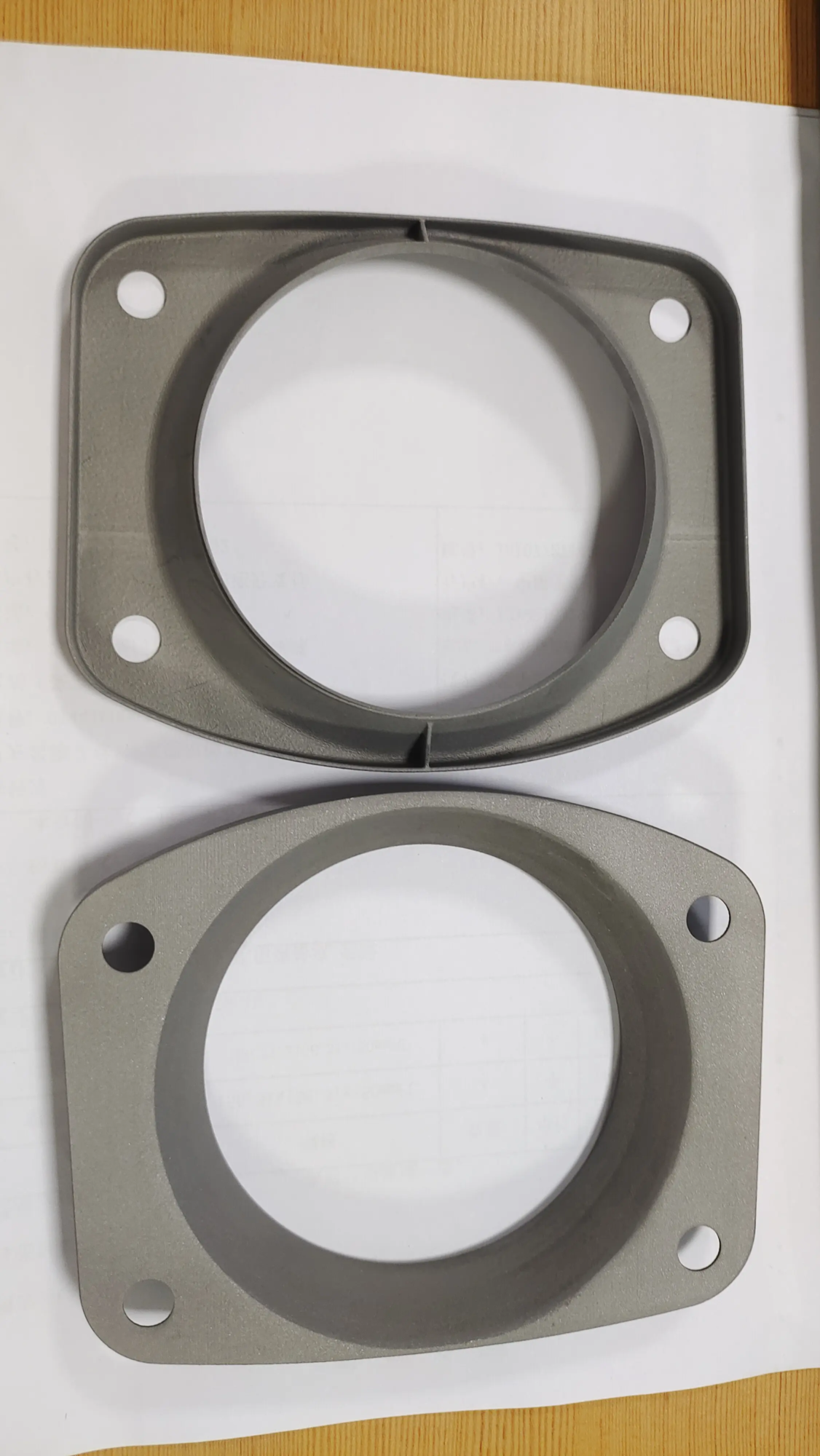
- Enhanced cooling system: Replaces noisy stock fan (for high temperature stability) with an optimized shroud printed in heat-resistant PEEK.
- HDMI Module Kit: Bracket for seamless mounting of internal HDMI module board.
Why Professional Prototyping Elevates DIY Projects
While hobbyist printers excel at plastic printing, complex geometries or metal parts require industrial-grade solutions. where is this huge lightthe leading rapid prototyping expert, bridges this gap:
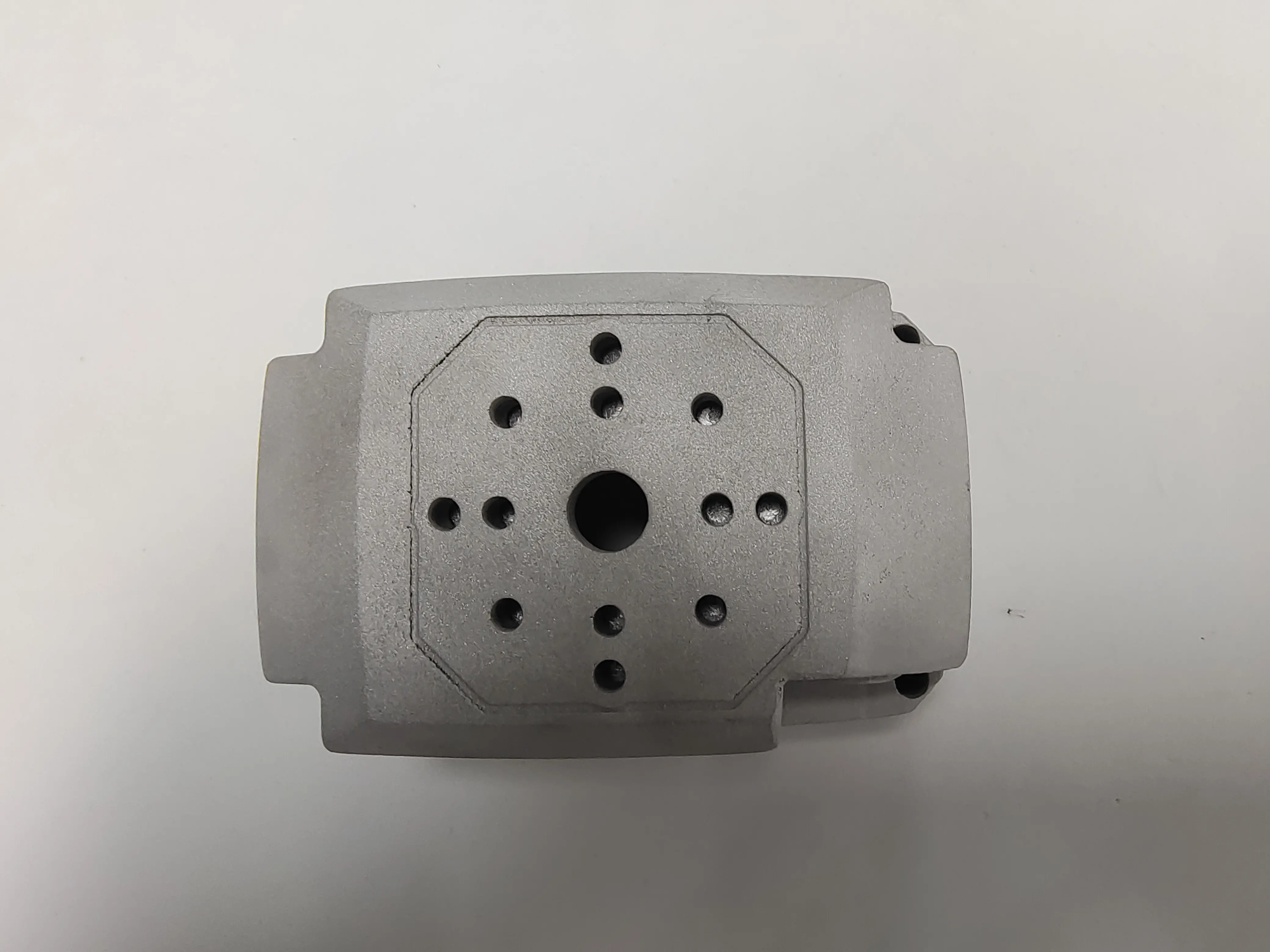
- End-to-end metal 3D printing: Their SLM (Selective Laser Melting) printers create strong, precision metal parts ideal for internal mechanisms like disk drive gears or controller connectors.
- Post-processing mastery: From smooth layered surfaces to electroplated finishes, they can handle sanding, painting and sealing to production-ready quality.
- Custom materials science: Does the controller need a flexible TPU handle or conductive metal antenna? They source niche filaments and metal powders to customize solutions based on project needs.
- Speed and scalability: GreatLight’s quick-turnaround prototyping lets you quickly test iterations, perfect for refining critical mating components before volume production.
For example, rebuilding a corroded PS1 memory card slot requires micron-level precision in conductive metal. Desktop printers may struggle, but GreatLight’s SLM process uses corrosion-resistant materials such as ALSi10Mg to achieve dimensional tolerances of less than ±0.05 mm.
Choosing Materials: A Quick Guide
| Element | Recommended materials | Why |
|---|---|---|
| Beautiful casing | Where, PETG | UV/weather resistance |
| Structural parts | Nylon-CF, stainless steel | High strength to weight ratio |
| heat sensitive parts | PEEK, titanium alloy | Thermal stability (150–350°C) |
| flexible elements | TPU, flexible resin | damping |
Retro purists can use ASA filament to mimic the original ABS plastic, while high-stress parts benefit from GreatLight’s maraging steel for aerospace-grade durability.
Conclusion: The future of vintage preservation
3D printing transforms PS1 restoration from salvage to innovation. It democratizes access to obsolete parts while enabling creators to enhance old-school technology for the 21st century. From replicating a missing battery cover to building an all-in-one emulator built into a PS1 case, the possibilities reflect a shared passion for tradition and ingenuity.
However, tackling a complex build alone can be daunting. For projects that require surgical precision (especially metal projects), work with an experienced rapid prototyping specialist, e.g. huge light Ensure authenticity, durability and scalability. After all, preserving gaming history doesn’t mean sacrificing modern reliability.
Ready to bring your PlayStation 1 back to life? Start designing and let the professionals handle the hard work.
FAQ: PS1 3D Printing Projects
Q1: Can I 3D print the entire PS1 console?
While it is possible to print the entire enclosure (using ASA or ABS), the internal electronics require an original circuit board. Focus on cases or replacement parts for non-electronic parts such as disc trays.
Question 2: How durable are 3D printed controller buttons compared to original buttons?
If treated, resin printed parts can achieve OEM durability. For heavily used buttons, GreatLight’s metal prints (such as titanium) provide superior longevity with optional surface treatments.