Keep an eye on the road: How a 3D printed car phone holder can improve safety
Picture this: You’re driving on an unfamiliar road when an important incoming message flashes on your phone screen. Instinctively, you glance down—just for a second. But that moment was enough. Distracted driving is not a small risk; it is a leading cause of accidents worldwide. Enter the humble car phone holder. While mass-produced versions flood the market, they often fall short of the mark in terms of compatibility, durability, or usability. What if your mount was built specifically for your car, phone, and lifestyle? where is this 3D printing revolutionizes in-car safetyproviding customized solutions that are not possible with traditional methods.
The problem is "One size fits all" Bracket
Traditional mobile phone holders have serious flaws:
- Poor compatibility: Universal clips have difficulty adapting to curved dashboards or smooth vents.
- Material degradation: Plastic arms break under pressure; adhesive fails due to heat.
- About Limited customization: What if you drive an old Porsche or use a ruggedized industrial phone?
These compromises force drivers to fumble for positioning, defeating the purpose of hands-free safety.
Why choose 3D printed brackets? Engineering precision meets custom design
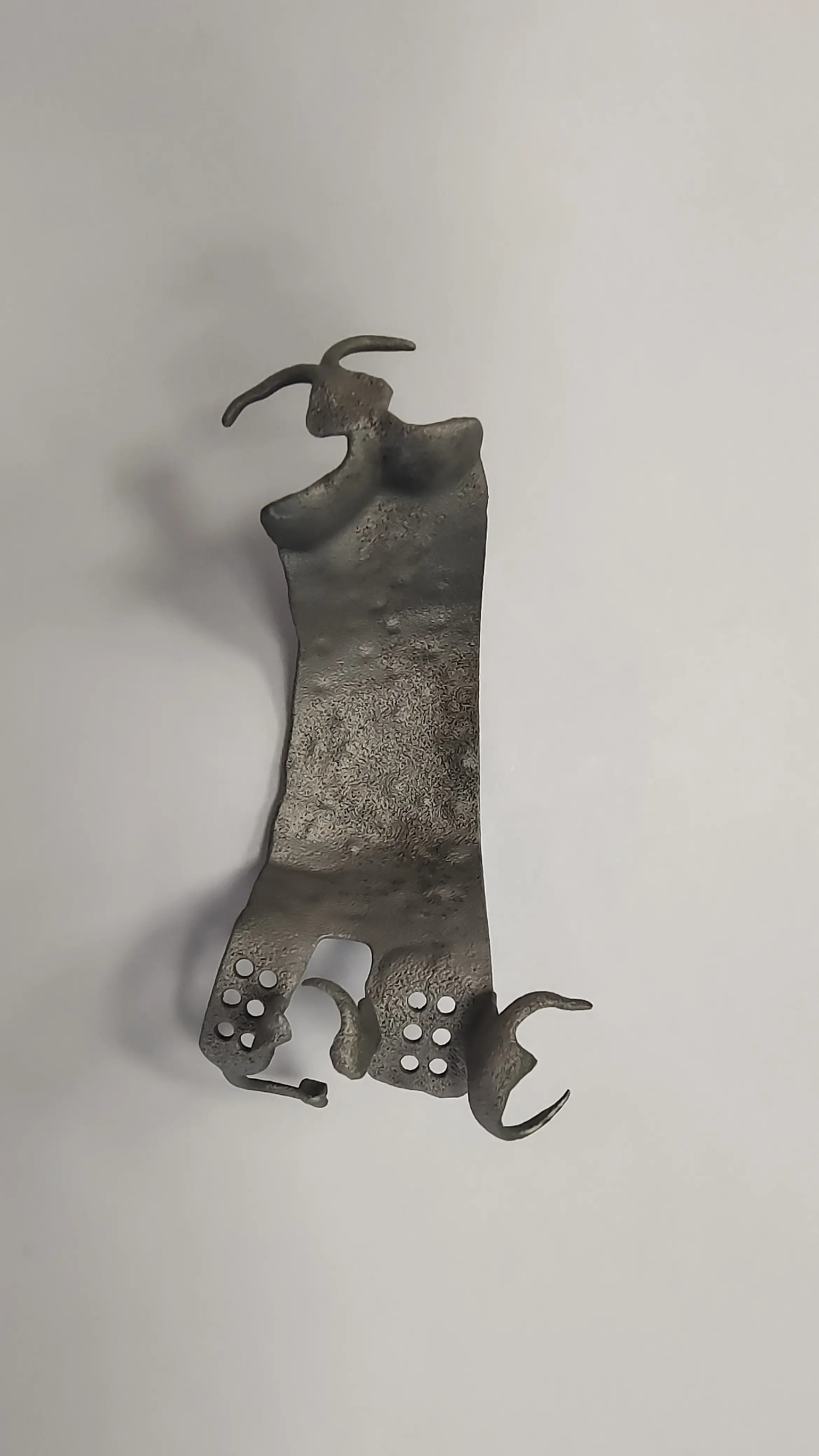
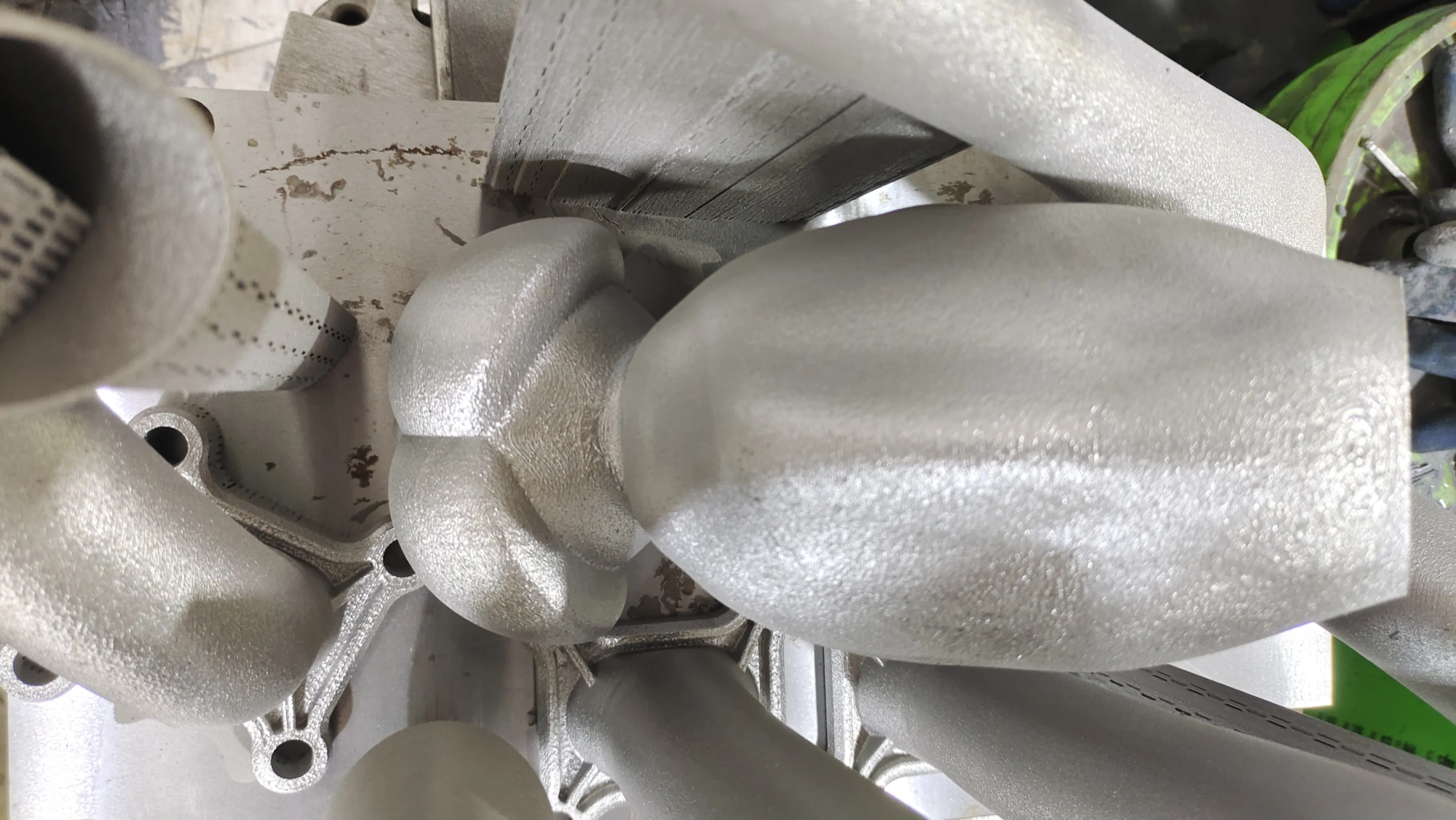
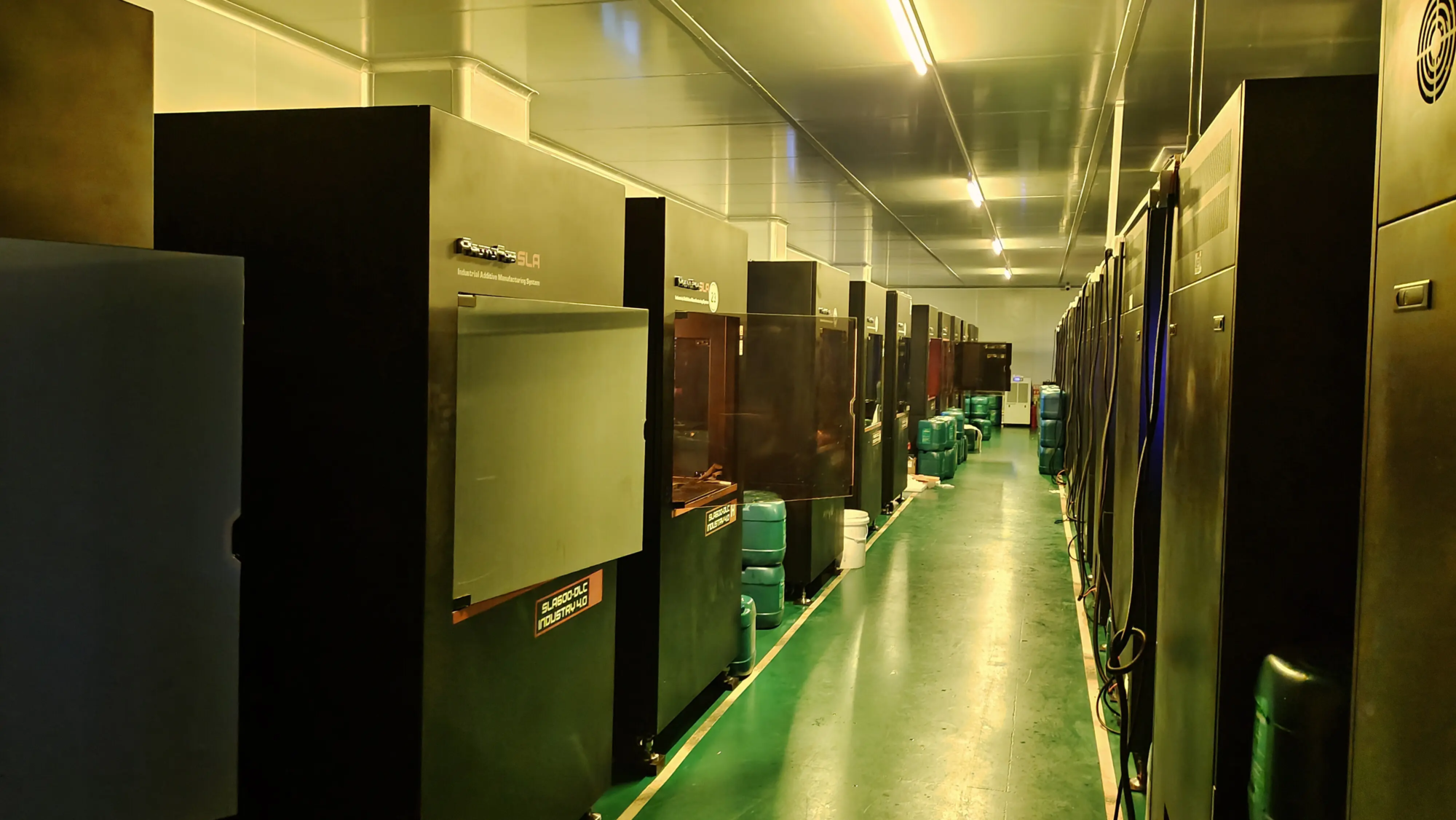
3D printing sidesteps these issues by embedding elasticity and adaptability into every layer. Use similar techniques SLS (nylon), SLM (metal)and SLA (resin)a craft stand from the manufacturer that combines functionality with durability:
-
Extreme customization:
Whether you need a magnetic mount for your Tesla touchscreen or a clipless mount for off-road vibrations, 3D printing has what you need. The design is modeled to precise phone dimensions (case gaps down to millimeters) and vehicle contours, eliminating wobble. At GreatLight, customers even integrate branding or ergonomic curves for one-handed use. -
Industrial grade materials:
Nylon PA12 Can withstand temperatures of 80°C+ without deformation. Titanium or aluminum alloy (Printed via SLM) Withstands impact and resists rust in humid climates. For weighted base for added stability, stainless steel infused composite Prevent tipping over during sharp turns.
The edge of the real world: A customer designed a bracket with a vibration-damping lattice structure within the arms—something that was impossible to injection mold. - Prototyping speed advantage:
Forget about 6 weeks of mold delays. Through rapid prototyping, GreatLight provides functional samples Less than 48 hours. Designers iterate on airflow vents (to prevent the phone from overheating) or hinge mechanisms in days instead of months.
Beyond plastic: Metal printing improves safety
While plastics excel in most applications, metal 3D printing excels in key integrations:
| feature | Plastic (Nylon-SLS) | Metal (Aluminum/Titanium SLM) |
|Results:—————- | ———————————————– | ———————————————– |
| most suitable |Lightweight grip, clamp arm|Structural joints, screw mounting base|
| Temperature resistance |Up to 160°F (71°C) |Over 600°F (316°C) |
| Main advantages | Cost-effective sophistication | Zero flex under extreme G-forces |
Example: Motorsport teams bolt titanium brackets directly to the roll cage. The phone remains stationary even when taking sharp turns at 150 mph.
How GreatLight ensures flawless execution
Adhering to GreatLight’s EAT (professional, authoritative, trustworthy) spirit:
- Precision SLM/SLS hardware: Industrial grade printers such as the EOS M290 for metal and the Formlabs Fuse 1 for nylon.
- Physical simulation prototype: Finite Element Analysis (FEA) digitally verifies strain points before printing.
- Post-processing mastery: Media blasting for grip, UV resistant coating or nickel plating for conductivity on wireless charging models.
- 360° US Compliance: Comply with FMVSS standards for minimizing interference.
One customer experienced a 92% reduction in scaffold-related returns after switching to GreatLight’s SLM printing core.
Innovation beyond the ordinary
Forward-thinking teams use print to:
- Heat dissipationFor: The copper alloy base absorbs heat from the phone during GPS navigation.
- Multi-device ecosystem: Integrated GoPro mount or charging base distributes power between devices.
- Aesthetic personalized feeling: Color-match Porsche interiors or add textured knurling for tactile feedback.
Conclusion: Driving safer, smarter and more customized
Car cell phone holders are not meant for convenience, but as anti-collision tools. Mass production ignores individual needs, but 3D printing eliminates compromise. Through technologies like SLM and SLS, materials from titanium to impact-resistant nylon, and rapid prototyping flexibility, GreatLight creates brackets designed for: your vehicle, your equipment, and your Security scene. By choosing additive manufacturing, you can prioritize precision so you can focus your attention where it belongs: on the road ahead.
Ready to prototype? Work with GreatLight – where your design is built, not surrounded.
FAQ: 3D Printed Car Phone Holder
Q1: How is the strength of 3D printed mobile phone holder compared to injection molded mobile phone holder?
Answer: Usually stronger. The strength of SLS nylon can match or exceed the strength of traditional ABS, while the tensile durability of SLM metal brackets (titanium/aluminum) is better than cast parts. The internal lattice structure also adds rigidity without adding weight.
Question 2: Can I print brackets for rare models with sloping dashboards? вуJapan
Answer: Of course. Send dash dimensions or 3D scan; GreatLight’s designer model stands feature unique silhouettes. No vents or adhesive pads required – snap-on accuracy of 0.1mm ensures zero wobble.
Q3: Will the metal stand interfere with mobile phone signals or wireless charging?
A: Not if designed correctly. GreatLight uses nylon insulators to isolate metal contact points and optimizes wall thickness for RF transparency. Qi compatibility is tested before shipment.
Q4: How long does printing and finishing take?
A: Nylon prototypes ship within 2-3 days; 5-7 metals. Complex post-processing (such as conductive coating) can add 1-2 days to the time. Expedited options available.
Q5: Can you copy organic shapes (leaf patterns, logos)? Just curious.
Answer: Yes! Unlike the geometric limitations of CNC, SLS/SLM can print topology-optimized organic shapes without increasing cost. Embed a logo or texture for branding.
Question 6: Can the printed bracket be road-ready?
A: As an accessory, yes – designed in accordance with FAA/EU distraction guidelines. GreatLight includes compliance testing documentation.
Q7: What should I do if my phone overheats during navigation?
A: Integrate passive cooling through printed heat sinks, copper layers or air channels. GreatLight engineers ensured first-time success through thermal simulation.