The magic of 3D printed articulated dragons: design, creation and manufacturing insights
The sight of a 3D-printed articulated dragon—with its intricate scales and limbs and body parts that flex fluidly without external mechanisms—fired the imagination. This is a testament to the incredible power of modern additive manufacturing. These mesmerizing creations blend art, engineering and playful functionality, showcasing intricacies that would not be possible without meticulous handcrafting. Whether you’re a fan of forging fantastical statues or an engineer exploring novel motion structures, the Articulated Dragon represents a fascinating frontier in 3D printing.
Beyond the wow factor: What’s so special about Articosaurus?
Articulated dragons are more than just static statues. Its magic lies in the interconnecting parts designed with precision-milled joints—usually pin or ball-and-socket connections printed next to model components. This design allows for mobility without the need for assembly screws, glue, or external components. Achieving this goal requires:
- Exact tolerance: Joints require specific "gap" Between the parts – too tight and they will fuse; too loose and the model will become squishy or unstable. This tolerance is highly dependent on material shrinkage and printer calibration.
- Topology optimization: The designers carefully calculated the size, shape and distribution of each segment and joint connection to ensure smooth movement of the dragon while maintaining the structural integrity of the entire dragon body.
- Geometric complexity: Dragons often have complex scales, wings, claws and tails that require advanced CAD skills to model effectively and ensure multiple watertight geometries suitable for slicing software.
From design vision to functional beast: a manufacturing journey
Bringing the Articulated Dragon to life involves several key steps:
- design: Creators can generate complex 3D models using CAD software, from Tinkercad for beginners to Fusion 360 or Blender for experts. Many popular articulated dragon models can be found on platforms like Thingiverse or Printables, created by talented designers.
- Preparation (slicing): Prepare the STL file using slicing software (Cura, PrusaSlicer): generate overhang supports (critical for complex dragons), choose print transport direction to minimize weak points and maximize joint strength, choose layer height (resolution), and carefully adjust print settings.
- Material selection: Choices greatly affect the final result:
- People’s Liberation Army: It is popular among beginners due to its ease of printing, bright colors, moderate rigidity and strength. Best for decorative dragons or dragons that are handled gently.
- Polyethylene glycol: More durable, flexible, and temperature/chemical resistant than PLA. Significantly extend joint life and flexion life. Recommended for dragons that are frequently posed.
- TPU/TPE (flexible filament): Print hinges directly without pins, creating incredibly smooth, bendable parts like tails or wings. Printing successfully is much more difficult and may require slower print speeds.
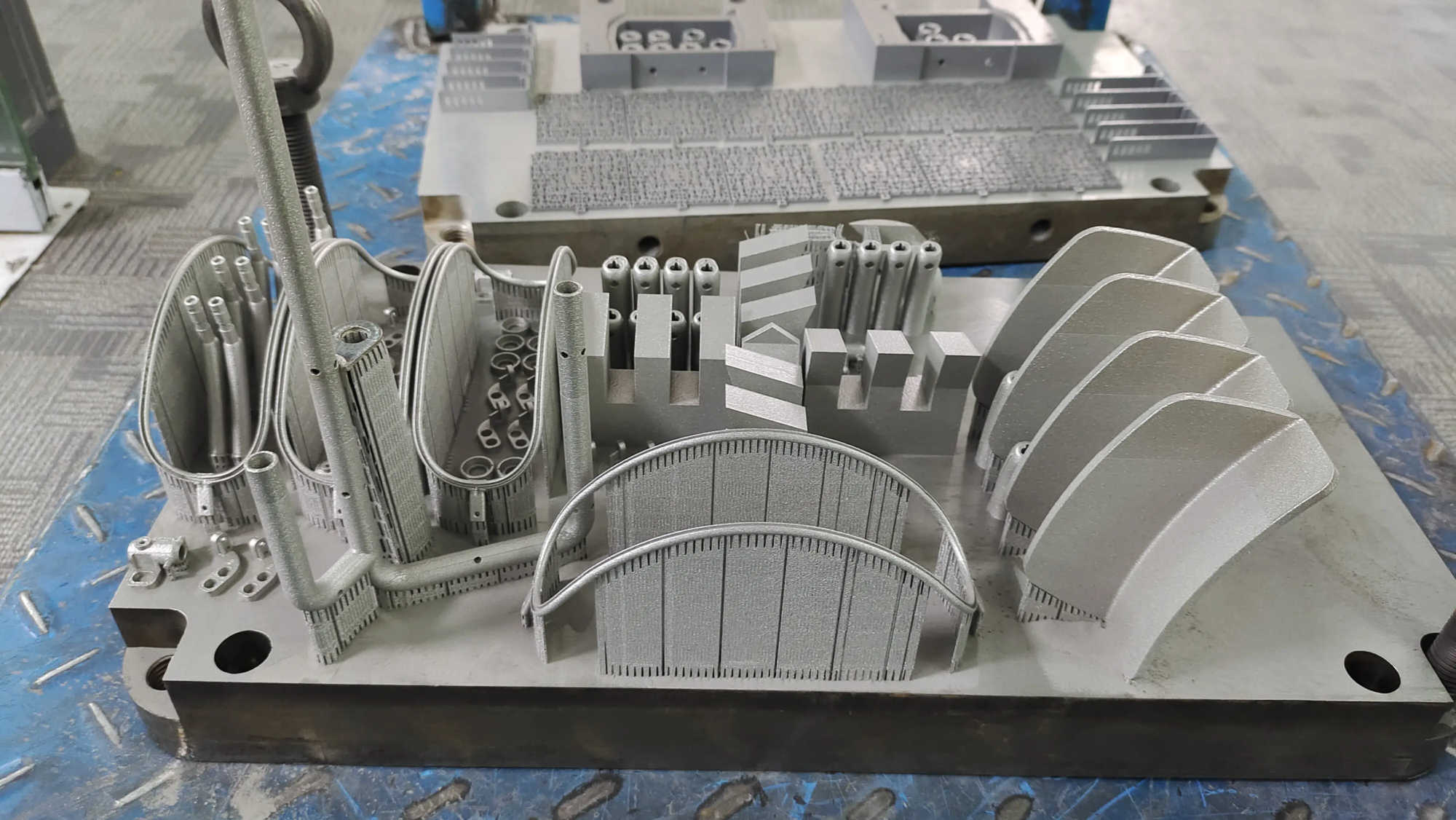
- Metal (SLM/Binder Jetting): When used in stainless steel, aluminum alloys, titanium or copper, dragons transform into stunning, durable sculptures, jewelry or functional engineering prototypes. This requires advanced industrial processes.
- print: Execution requires printer precision. Proper bed adhesion, calibrated extrusion, consistent temperature control and meticulous cooling are critical, especially for delicate seams and overhangs. Strings, blobs, or layer shifts can easily ruin delicate articulation points. Patience is key – complex dragons can take dozens of hours to print.
- Key stage: post-processing: Removing a dragon, leaving it intact like a chainsaw, is just the beginning:
- Support removal: Great precision is required to avoid breaking small joint pins or fragile limbs.
- clean: Removing support residue and printing artifacts often involves soaking, scraping and sanding.
- finishing: Sanding to progressively finer grits smoothes layer lines and eliminates support scars. Polishing, painting, staining, electroplating (for metal parts) or applying special surface textures can significantly improve aesthetics. Removing rough edges from joints, especially in metal prints, ensures a smooth join.
Where creativity takes flight: Beyond the shelf
While amateurs and enthusiasts have largely driven the popularity, Articosaurus has a much broader significance:
- **project