The Ultimate Journey: Master the Optimus Prime 3D Printing Project
For many designers and hobbyists, creating highly detailed, fully illuminated Optimus Prime models through 3D printing is the ultimate dream. As an icon of engineering and heroism, turning this automotive leader into a tangible masterpiece requires precision, expertise and cutting-edge technology. In this guide, we will explore how to deal with this ambitious project, solve common pitfalls and leverage professional services to achieve perfect results.
Why 3D Print Optimus Prime?
Optimus Prime’s complex design – the middle armor plate, rotating joints and mechanical complexity, which makes it an ideal challenge for 3D printing. Unlike mass-produced toys, custom models offer:
- Personalization: Scale modification, pose customization and unique finishes (fight damage, cartoon accuracy, etc.).
- Durability: Industrial grade materials ensure longevity, especially for moving parts.
- Educational Value: In-depth research on mechanical design, assembly and finishing technology.
Key Challenges and Solutions
1. Design Complexity
- question: Optimus Prime has over 150 interconnected parts that require a perfect expression of millimeters.
- Solution:
- Joint tolerance tests are performed using parameter CAD software such as Fusion 360.
- For customers without design resources, Greatlight’s engineering team provides Free file optimization– Prepare wall thickness, overhang and clearance are ready.
2. Material selection
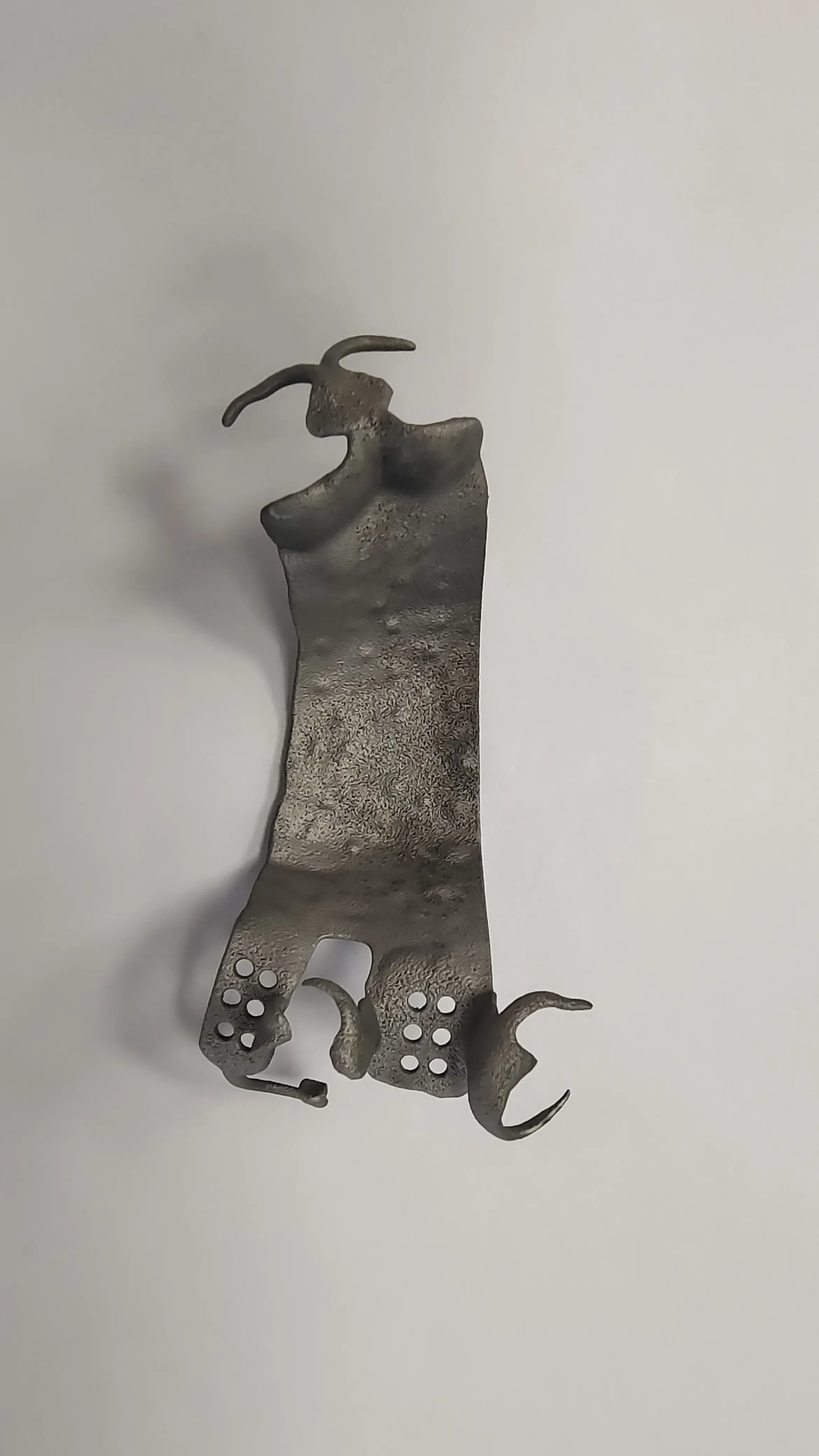
- Functional parts (Joints, Gears): Stainless steel (316L) or Titanium alloy By SLM (Selective Laser Melting) for load bearing durability.
- Aesthetics (Armor, panel): Nylon PA12 or Resin Related details.
- hint: Greatlight’s SLM 3D printer has a density of 99.9% in metal parts, preventing stress fractures during assembly.
3. Printing technology
- Metal components:SLM printing combines a layer of metal powder with laser, perfect for gears and joints.
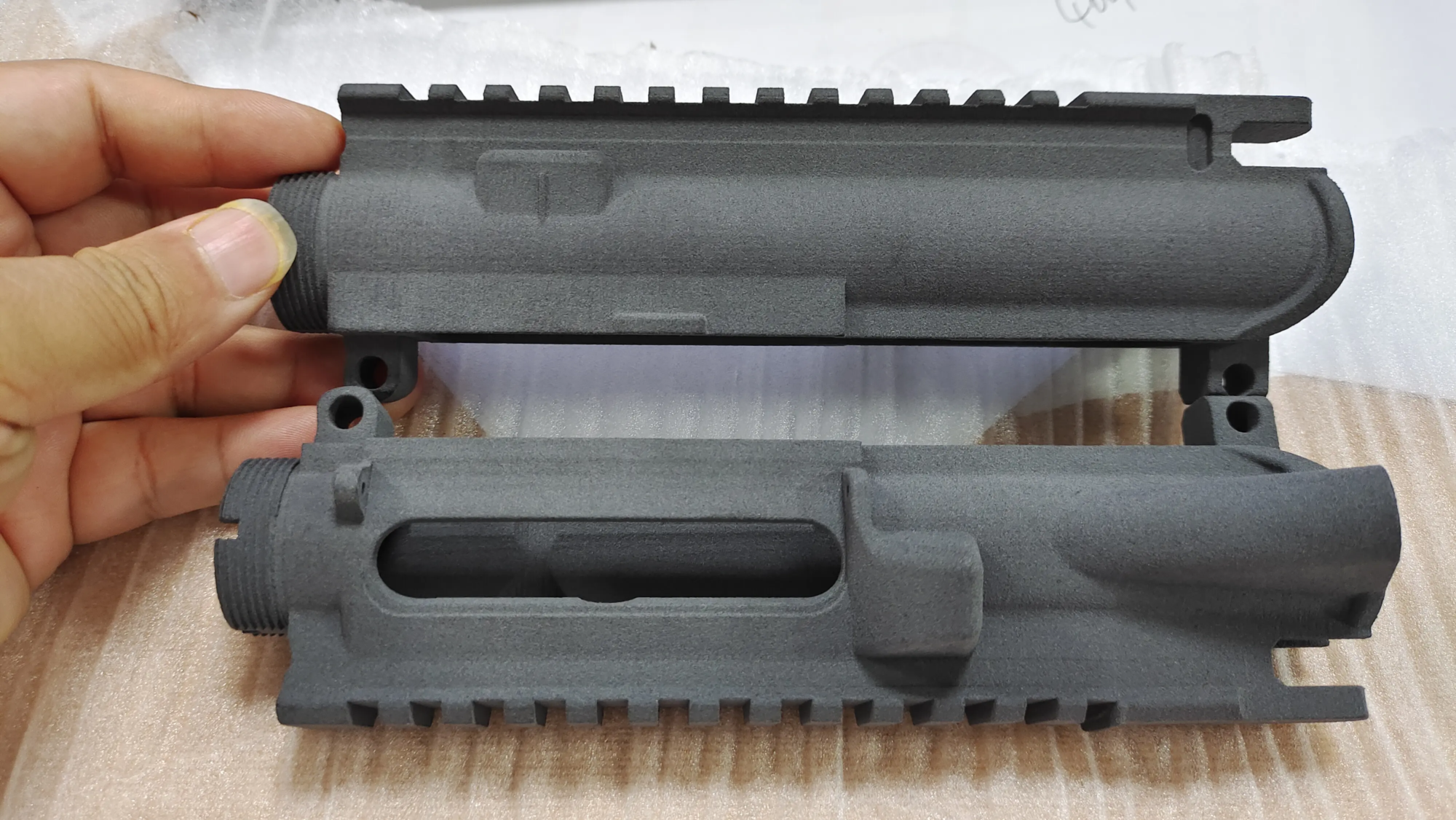
- Detailed surface:SLA (Stereoscopic Lithography) or MJF (Multi-jet Fusion) is used for razor texture.
- Why SLM? It can handle overhangs up to 45° without support, reducing post-processing.
4. Perfect post-processing
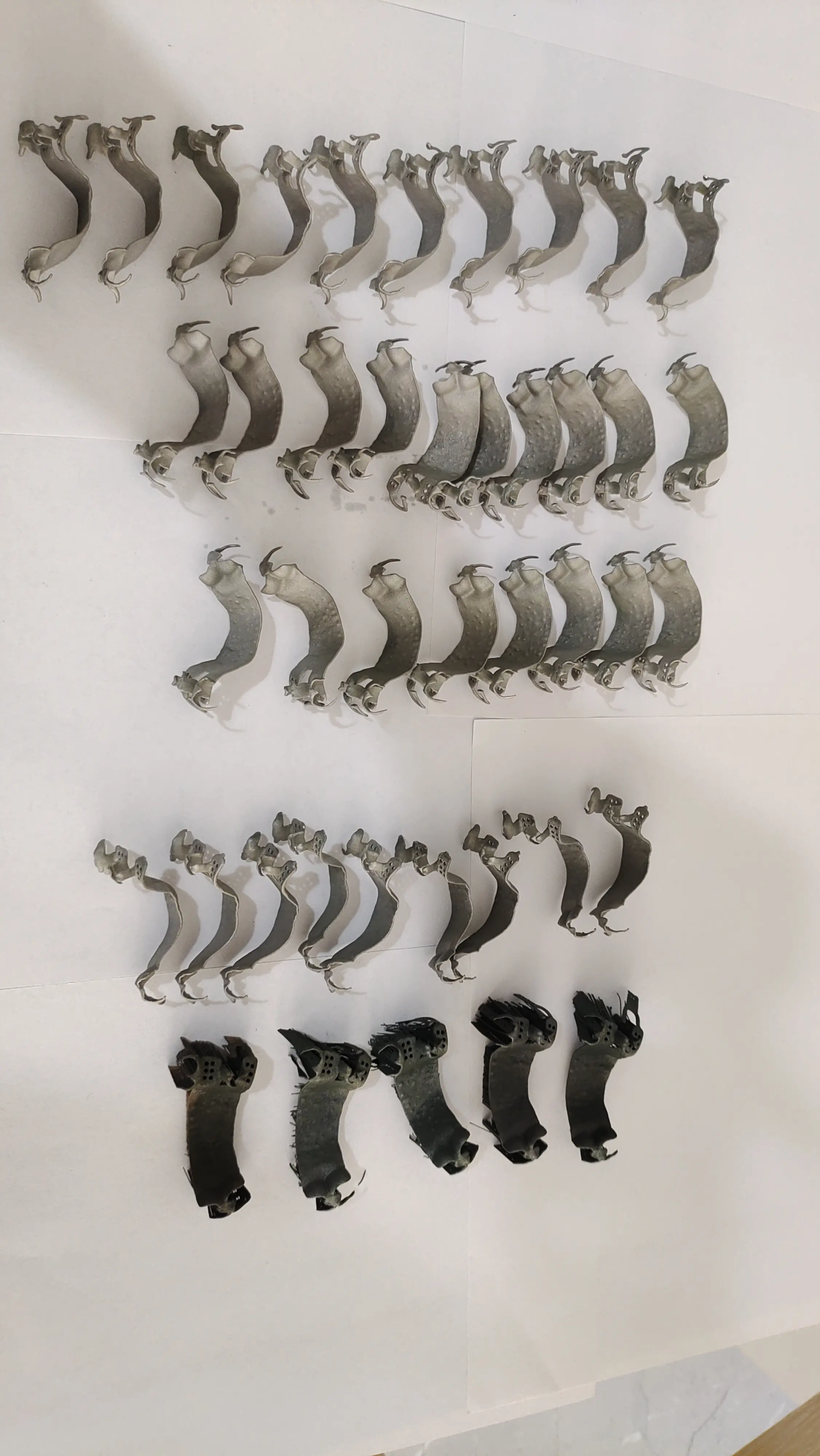
The original print is only 50% complete. Greatlight’s integration services include:
- Metal parts: Tumble polishing, electrochemical smoothing and heat treatment to relieve stress.
- Plastic/resin: Vapor smoothing, sandblasting and primer coating.
- Custom finishes: Spray gun, chrome plating or weathering effect for screen accuracy.
Why cooperate with professional services?
DIY printing usually results in:
- Printing failure due to incorrect support or temperature.
- Distorted joints from bad material choices.
- Loss of hours when done manually.
Great Advantages:
- SLM and multi-tech fleet: Print metal and polymer parts under one roof.
- speed: 72 hours prototype batch turnover.
- End-to-end processing: From file verification to painted components.
- Material range: Over 60 metals and polymers, including custom alloys.
Case study: A customer requested the use of 30 cm convertible Optimus Prime. Greglight printed titanium alloy joints (SLM), resin armor (SLA) and coated gun material. This model supports more than 200 non-fatigue conversions.
Getting started: Your project roadmap
- Design stage:
- Design team that provides STL files or commissions Greatlight.
- Material consultation:
- Specify functional requirements (e.g., “The chest joint must support a 500g load”).
- Printing and finishing:
- Choose a finish: matte, polished or film-accurate metal.
- quality assurance:
- ISO 9001 certified dimensional inspection and stress testing.
in conclusion
3D Printing Optimus Prime demonstrates how far has been developed for additive manufacturing – integrating art, engineering and technology. While the DIY approach can be meaningful, working with experts ensures structural integrity, aesthetic excellence and time savings. Greatlight’s mastery in SLM printing and overall post-processing transforms complex projects into heirloom-quality collectibles.
Ready to bring your Optimus Prime to life? Request a quote today to customize production plan today.
FAQ
Q1: Can I print a fully convertible Optimus Prime?
Yes! Transformation requires meticulous joint design and material strategies. We recommend using stainless steel or titanium for hinges and gears with flexible polymers. Greatlight engineers simulated action preprinting to ensure seamless conversion.
Q2: How much does it cost?
Costs vary by size, material and finish. The 25cm model starts at $650 (plastic) or $1,200 (metal alloy). Submit your design for a real-time quote.
Question 3: How long does it take to produce?
- Prototype batch: 3-5 days.
- Complete project (design completed): 2-3 weeks.
Urgent services are available.
Q4: Which file format do you accept?
STL, OBJ, Step and Iges. For expressive parts, including assembly notes or tolerance specifications.
Question 5: Can you copy G1 cartoon or live design?
Absolutely. Share the reference image and our team will adjust the scale, texture and color. We offer Chrome Play for the G1 aesthetic or laser engraving details of the Michael Bay version.
Q6: Are printed metal parts heavy?
SLM printed titanium is 40% lighter than steel with comparable strength. Weight distribution is optimized during the design process to prevent top-level metrics.
Q7: Are you shipping globally?
Yes, offer DDP (paid tax) options to over 50 countries. The parts are impacted in CNC cutting foam.
Leverage cutting-edge 3D printing to create an Optimus Prime that is not only a model, but also a mechanical miracle. With advanced SLM technology and craftsman finishes, Gremight turns visionary projects into reality. Start your journey now!