Uncovering the Heart of FDM Printing: The Ultimate Guide to 3D Printer Extruders
Imagine a machine meticulously crafting a complex sculpture layer by layer, melting material into precise lines. The core of this magic is 3D printer extruder. Think of it as a system of precision pumps and nozzles that convert solid filaments into molten plastic or material that forms 3D objects. Without it, your FDM (fused deposition modeling) printer is just a moving platform. Understanding how it works, its variations, and its challenges enables you to achieve consistent, high-quality printing.
Anatomy of an Extruder: More Than Just Melting Plastic
While the hot end is often noticeable for its visible nozzle, the extruder is a dynamic system consisting of key components working in harmony:
- Filament driving mechanism ("cold end"): This assembly clamps the solid filament and pushes/pulls it forward. It usually includes:
- Drive gear: A textured gear (usually knurled) embedded in the motor shaft. This gear bites into the filament.
- Idler gear/bearing: Apply pressure to the drive gear, clamping the filament firmly in between. Tension adjustment is crucial here.
- Stepper motor: Provides precise rotational motion to incrementally advance or retract the filament.
- Hot end: This is where the phase change occurs. Responsible for precise melting of filament:
- Hot break: Specially designed throats maintain sharp temperature gradients. It prevents meltback "cold" top part.
- Heating block: It is usually made of aluminum and houses the heater barrel and nozzle threads.
- Heater cartridge: Convert electrical energy into heat. Power depends on the target temperature (eg 40W for PLA, 60W for high temperature filament).
- Thermistor/Thermocouple: Continuously monitors hot-end temperature and feeds data back to the printer controller for precise PID control.
- nozzle: The last orifice through which the molten filament exits in the form of fine beads. Nozzle diameter (0.2mm – 1.0mm+) directly affects printing resolution, speed and intensity.
- Cooling system: Extruders often require dedicated fans:
- Radiator fan: Blow air onto the heatsink around the upper part of the thermal break on the hot side to maintain the critical cold zone.
- Some cooling fans: Airflow is directed onto the newly extruded filament layer to cure it quickly, improving bridging and draping properties and preventing thermal creep artifacts.
The Dance of Deposition: How Extruders Work
- feed: The stepper motor rotates the drive gear. The filament, sandwiched between the drive gear and the idler gear, is forced downward.
- melt: When the filament enters the hot end through the thermal breaker, the intense heat generated by the heating block melts it as it approaches the nozzle.
- extrusion: The solid filament pushes behind the molten material, forcing it through the nozzle opening and onto the build surface.
- Flow control: The printer firmware precisely controls the number of steps of the stepper motor, determining the amount of filament fed – determining the width, height and volume of the extruded bead.
- withdraw: To prevent stringing between disconnected portions of the layers, the fixture reverses the filament slightly (retracts) before moving to a new position, sucking the molten plastic back into the nozzle throat.
Direct Drive vs. Bowden: Core Architecture Differences
The fundamental difference in extruder setup is the interaction of the drive mechanism with the hot end:
-
Direct drive extruder:
- set up: Install stepper motor/drive mechanism directly Located on top of the hotend assembly and moves with the printhead (X/Y axis carriage).
- advantage:
- Excellent filament control and responsiveness (quick start/stop/retract).
- Better handling of flexible filaments (TPU, TPE) with minimal stretching or bending.
- Reduces the risk of filament grinding or binding in the tube.
- shortcoming:
- The increased mass on the printhead can cause ringing/ghosting artifacts at high speeds.
- Usually more expensive to build/maintain.
- Limits maximum printhead acceleration/speed.
- Bowden extruder:
- set up: Install stepper motor/drive mechanism statically on the printer frame. The filament is fed through a long PTFE tube to a remotely mounted hot end/nozzle on the print head.
- advantage:
- A lighter printhead that significantly increases speed and acceleration while reducing vibration/ghosting.
- Usually the designs are cheaper and simpler.
- shortcoming:
- Reduced filament control/stiffness; noticeable lag and bleed.
- There are significant difficulties when printing highly flexible filaments (compression/push issues within the tube).
- Friction/resistance within the tube may increase (wear over time).
Calibrate, troubleshoot and optimize your extruder
To achieve perfect extrusion, you need to pay attention to:
- E-step calibration: measure exactly How much filament is fed according to the requirements and actual situation. Adjust settings accordingly.
- Flow adjustment: Fine-tune the volume of each piece to calculate the amount of plastic placed.
- Hot end temperature: Crucial for proper layer adhesion and avoiding clogging/under-extrusion (too cold) or stringing/bleeding/dripping (too hot).
- Retraction settings: Optimize distance/speed based on Bowden/Direct Drive setup to minimize string/joint reduction.
- Frequently asked questions (and fixes):
- Insufficient extrusion: Check for clogged nozzles, filament sticking/grinding, insufficient tension, partially clogged tubing, improperly installed PTFE tubing, extruder jump/wobble (requires belt tensioning or cooling).
- Clogs: Melt pressure pockets are usually caused by dust accumulation, low quality filament with particles, gaps between the Bowden tube and the nozzle throat, "thermal creep" The filament degrades prematurely in the thermal break zone and thermal runaway results in inconsistent melting.
- leakage: Prevent this from happening by making sure the nozzle is snug against all hot end components and resealing the PTFE tubing as needed to eliminate molten plastic from seeping into gaps.
- Extruder hopping/grinding: Check for drive gear tension, potential obstructions/blockages, material requiring excessive heating without cooling.
Innovations that will shape the future of efficiency and reliability
Extruder innovation focuses on unlocking a wider range of capabilities:
-
High flow nozzle: Designs with reinforced internal structures and expanded melt chambers can significantly increase print speeds without losing quality (e.g., Copperhead Heatbreak, Nearnet C-EL).
-
All metal hot end: The complete elimination of the PTFE liner, except for the PTFE tube, allows engineering-grade polymers to be printed at temperatures above 300°C to bond nylon, polycarbonate and composite materials that require extremely high thermal stability.
-
Blockage detection system: Advanced sensors signal a beating extruder motor, triggering an active nozzle cleaning protocol to resume printing without the need for manual diagnostics.
- Material driven mechanism: The dual-gear extruder provides superior grip for brittle yet durable composites reinforced with carbon fiber or glass fill, minimizing slippage under load.
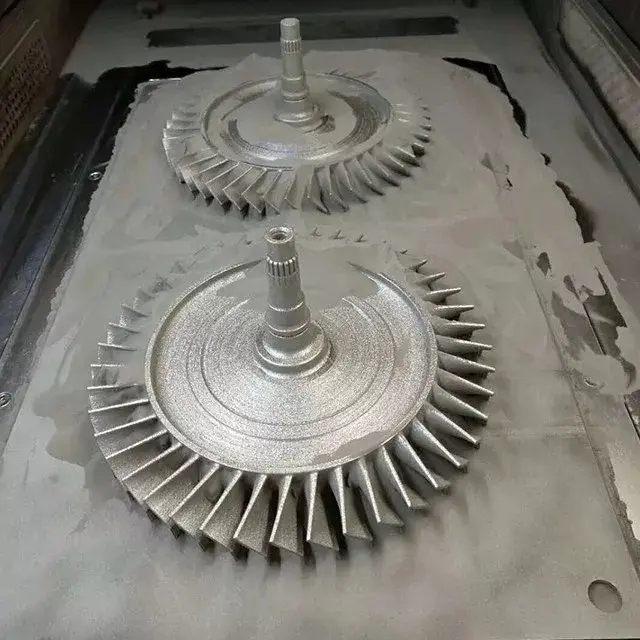
Just like metal 3D printers SLM (Selective Laser Melting) Advanced methods of using concentrated laser power to melt powder layer by layer rather than extrusion deposition remain fundamental to understanding traditional printing machinery.
in conclusion
The intricately choreographed symphony of extruder components converts threaded filament into sculpted output through precise temperature management, material flow calibration and synchronized drive forces – and when mastered can unlock unlimited additive manufacturing potential. Even printers using focused lasers or binder jetting originate from the traditional thinking of extruders. Optimizing filament advancement, melting dynamics, bead deposition and thermal control marks the journey towards the achievement of perfectly functional prototyping combined with artistic experimentation.
Frequently Asked Questions (FAQ)
Question 1: Why is it difficult to print flexible filament using a Bowden extruder, but easier to print using a Direct Drive?
A: Flexible polymers tend to compress rather than push forward evenly like rigid plastics. The longer tubes in the Bowden setup amplify buckling at the drive gear, slippage, and compression waves that weaken the squeeze pressure. Direct connection allows for instant response control and minimizes flex.
Q2: How often should I replace the nozzle?
A: Signs that replacement is needed include visible orifice corrosion/chipping, reduced detailed print accuracy, or significantly increased extrusion resistance despite deep cleaning cycles. Depending on the printing abrasive and PLA, the nozzle will typically last several months with continued maintenance.
Q3: What causes fear "thermal creep" interference?
A: Excess heat from the hot end block propagates upward through an inadequate cooling sink, blocking the most important thermal gradient areas. This causes the incoming filament to prematurely degrade into a sludge that blocks and impedes extrusion. Enhanced active cooling or improved insulation design is required to prevent heat conduction within critical areas.
Q4: Can the same printer switch nozzles to print different materials?
- A: PLA operates at around 200°C with a 0.4mm copper nozzle, while abrasive carbon fiber composites require a hardened steel nozzle to prevent corrosion, and temperatures approaching 280°C to polycarbonate grades require material-specific optimization throughout the printer hardware.
Ready to transform your digital designs into physical reality?
Navigating fused deposition modeling requires mastering complex extrusion mechanics and iteratively optimizing print parameter configurations – with expert partners guiding your adventures, troubleshooting more efficiently and reliably delivering the benefits of rapid iteration.
as huge lightwe leverage our advanced technology ecosystem to quickly accelerate custom prototyping with the goal of:
- Precision FDM printers feature state-of-the-art direct drive extruders for reliable, flexible plastics. and composite materials experiments.
- Industry leading SLM metal 3D printing Expertise in making functional stainless steel, titanium and aluminum alloy parts with complex geometries using selective laser melting systems not available in desktop prototyping studios.
- Comprehensive verification-guided post-processing finishing eliminates seam texture anomalies, seamlessly blending into production workflows that require indistinguishable texture visuals and ultra-precision geometry approvals.
access [YourWebsite.com] An extrusion-driven additive platform is required to optimize functional prototypes, complement metal powder sintering capabilities, accommodate an extensive material library, and reliably address engineering prototyping challenges.
Personalized engineering consultation accelerates delivery times, ensures cost-effective and accurate output, precisely adjusts to requirements for post-manufacturing processing completion, and minimizes design spin iterations. Activate full production prototypes with a quarter of the complexity… efficiently!
[GreatLight Logo] GreatLight – Custom Rapid Precision Prototyping Excellence